Introduction
Quavonlimab Biosimilar, also known as Anti-CTLA4 mAb, is a novel monoclonal antibody that has been developed as a biosimilar to the existing anti-CTLA4 monoclonal antibody, Ipilimumab. This biosimilar has been designed to mimic the structure and function of Ipilimumab, while also providing a more cost-effective alternative for the treatment of certain cancers. In this article, we will discuss the structure, activity, and application of Quavonlimab Biosimilar in detail.
Structure of Quavonlimab Biosimilar
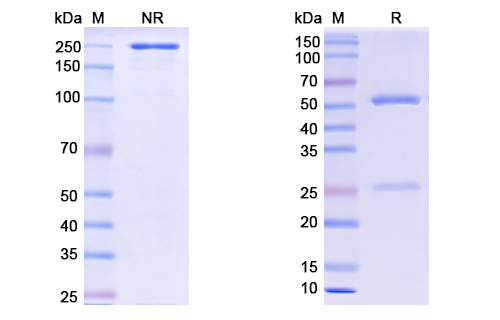
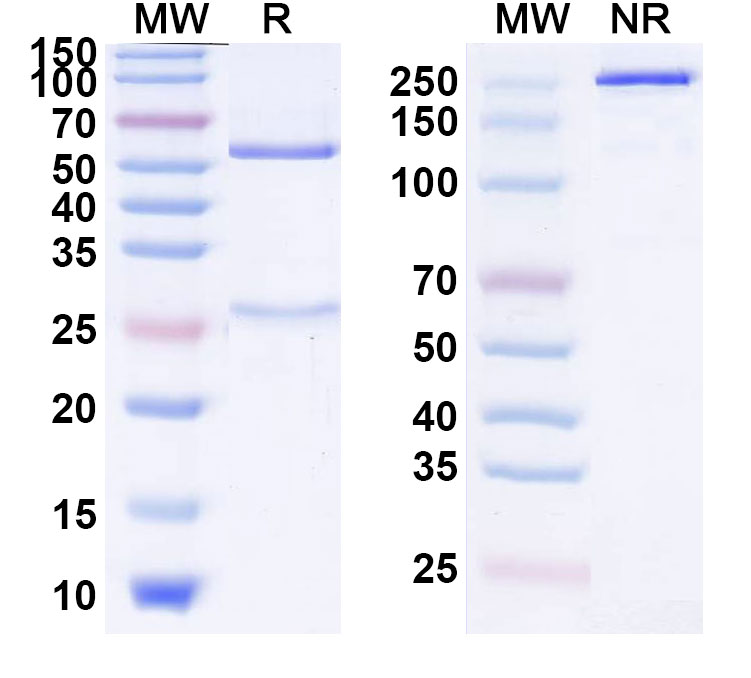
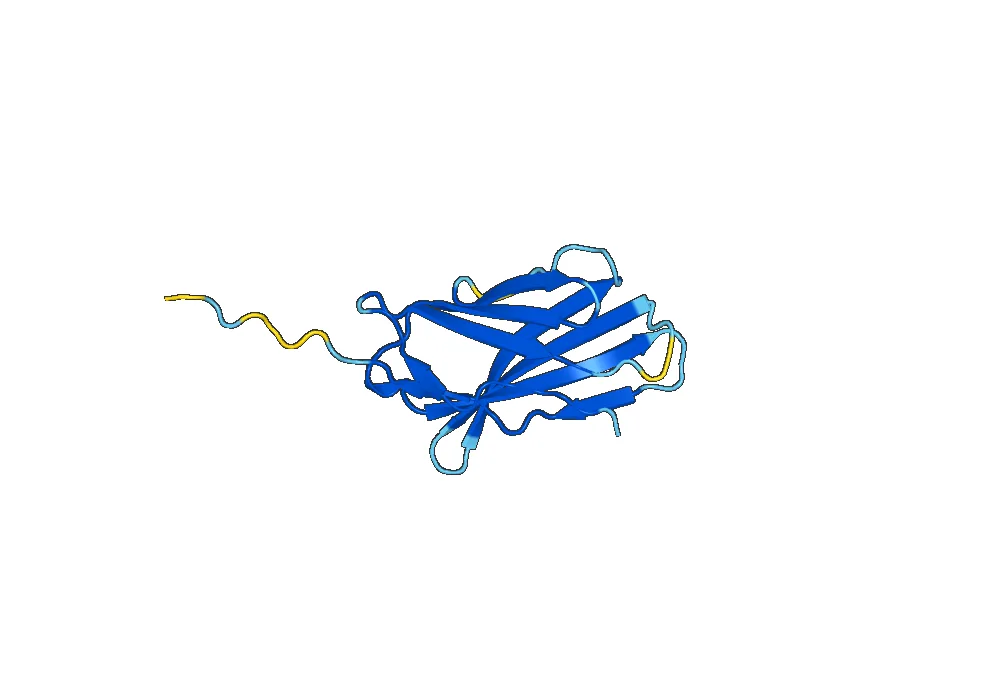
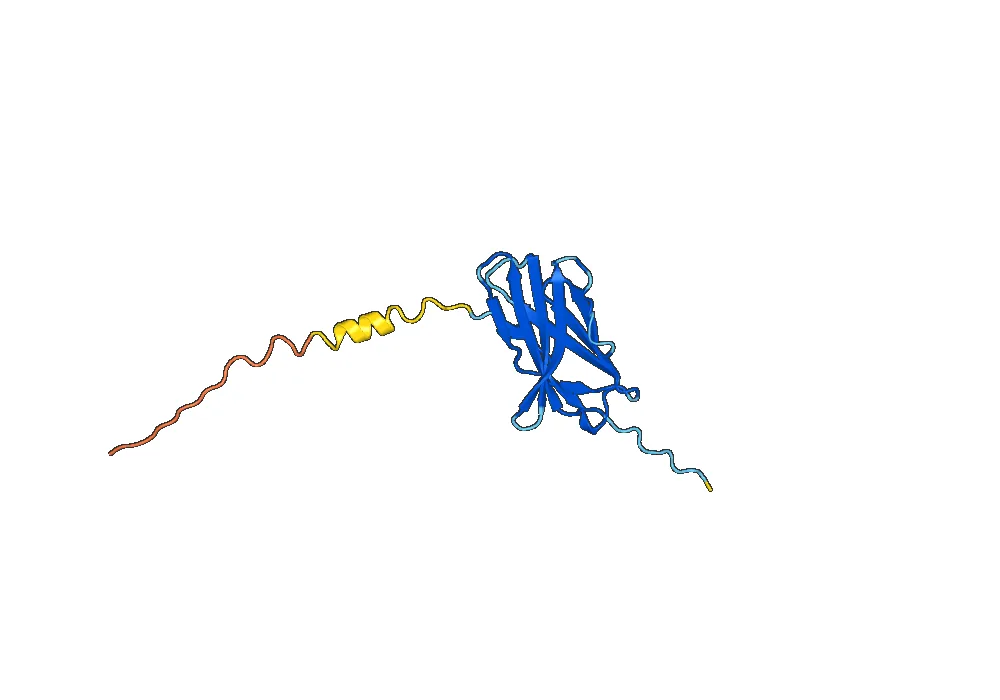
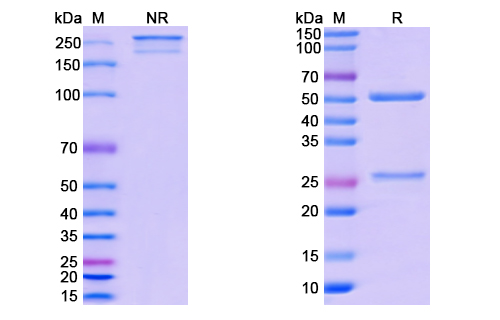
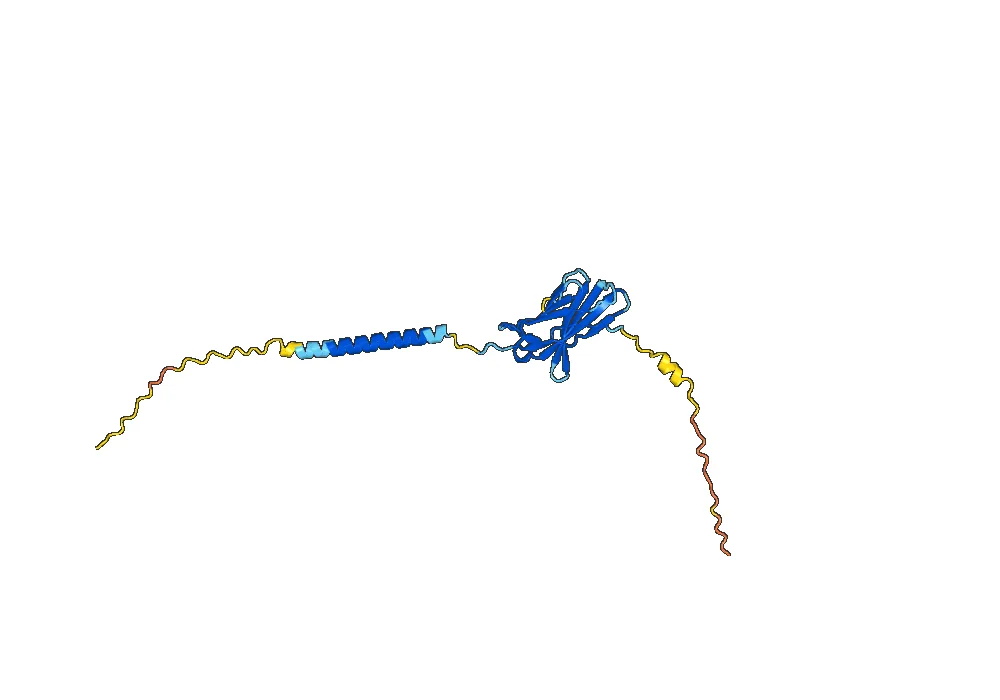
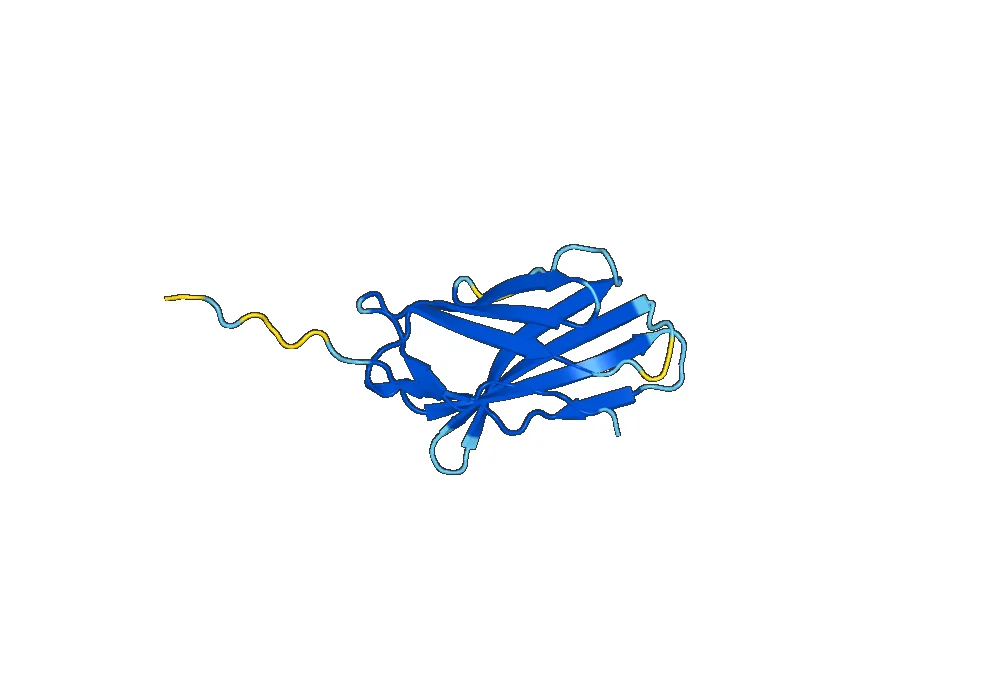
Quavonlimab Biosimilar is a chimeric monoclonal antibody, meaning it is composed of both human and mouse components. It is made up of two heavy chains and two light chains, which are connected by disulfide bonds. The heavy chains are made up of constant and variable regions, while the light chains only contain variable regions. The variable regions are responsible for binding to the target molecule, CTLA4.
Activity of Quavonlimab Biosimilar
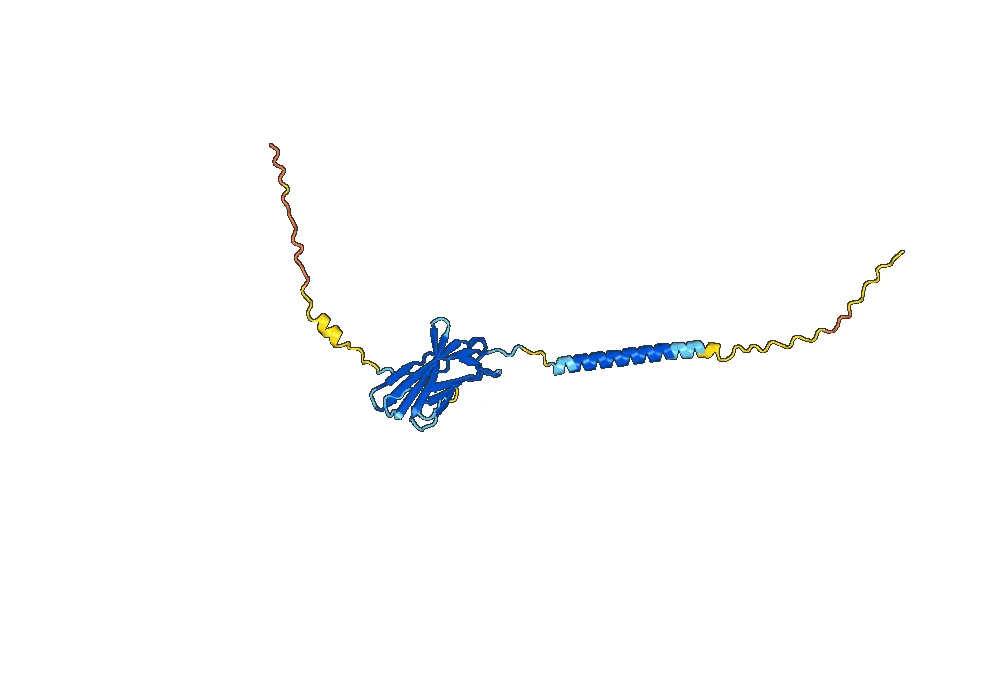
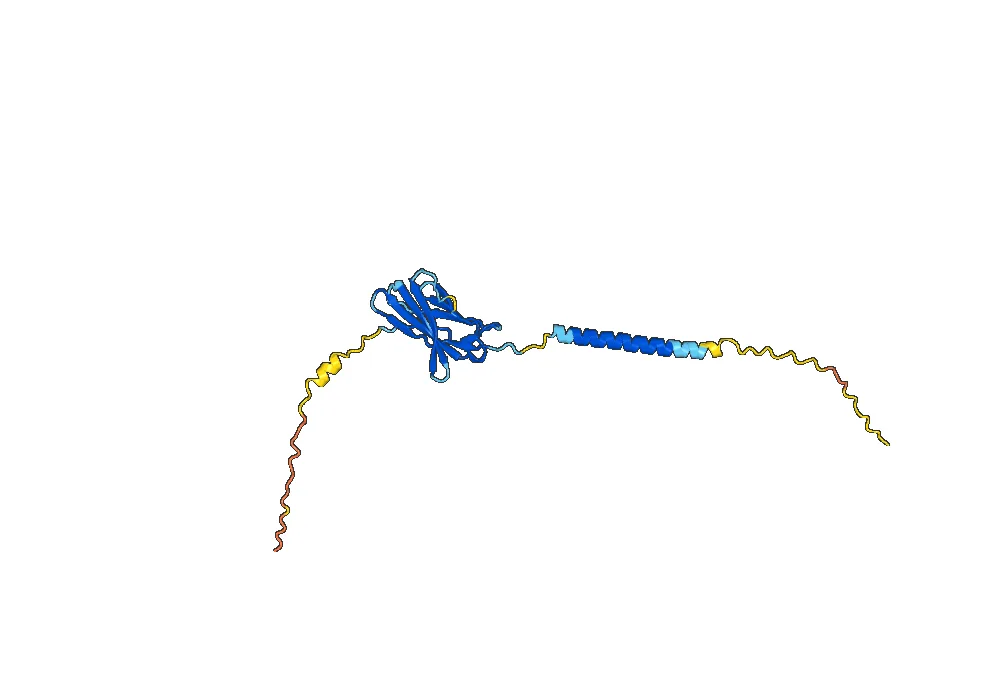
Quavonlimab Biosimilar acts as an immune checkpoint inhibitor by targeting CTLA4, a protein found on the surface of T cells. CTLA4 plays a crucial role in downregulating the immune response, which is important for maintaining immune homeostasis. However, in cancer, this protein is often overexpressed, leading to the suppression of the immune response against tumor cells.
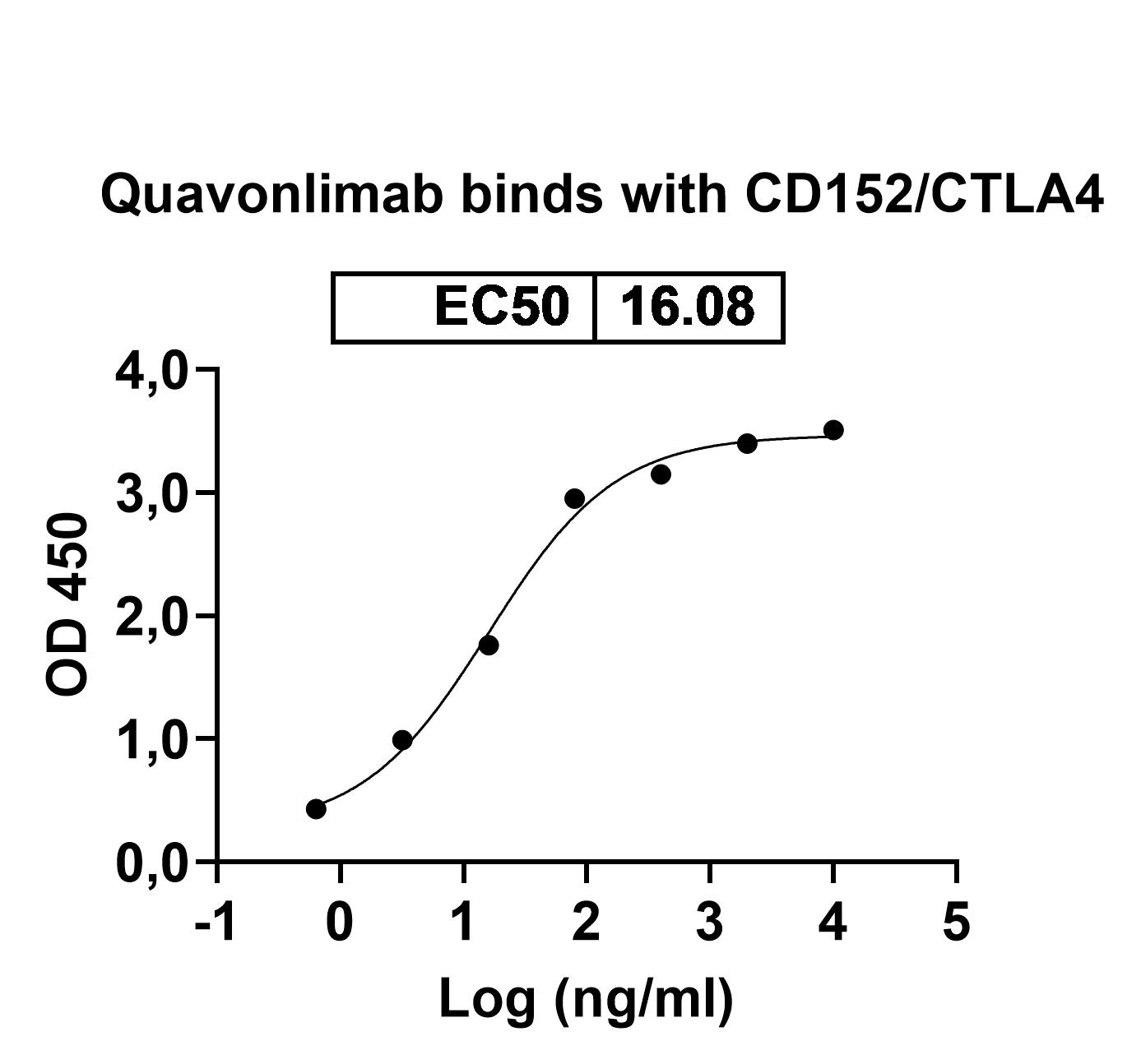
Quavonlimab Biosimilar binds to CTLA4 and blocks its activity, allowing the immune system to mount a stronger response against cancer cells. This leads to the activation of T cells, which can then recognize and destroy cancer cells. Additionally, Quavonlimab Biosimilar also promotes the activation and proliferation of other immune cells, such as natural killer cells and macrophages, further enhancing the anti- cancer immune response.
Application of Quavonlimab Biosimilar
Quavonlimab Biosimilar is currently being studied for its potential use in the treatment of various types of cancer, including melanoma, non-small cell lung cancer, and renal cell carcinoma. It is administered intravenously and is typically used in combination with other cancer treatments, such as chemotherapy or other immunotherapies.
In clinical trials, Quavonlimab Biosimilar has shown promising results in terms of its efficacy and safety profile. In a phase III trial for advanced melanoma, it was found to significantly improve overall survival compared to standard of care treatment. It has also shown potential in treating other types of cancer, with ongoing clinical trials evaluating its use in different cancer types.
Conclusion
In summary, Quavonlimab Biosimilar is a chimeric monoclonal antibody that acts as an immune checkpoint inhibitor by targeting CTLA4. Its structure and function are similar to the existing anti-CTLA4 monoclonal antibody, Ipilimumab, but it offers a more cost-effective alternative for cancer treatment. With promising results in clinical trials, Quavonlimab Biosimilar has the potential to become a valuable addition to the arsenal of cancer treatments, providing new hope for patients with various cancer types.

There are no reviews yet.