The Structure of Pivekimab Biosimilar – Anti-IL3RA mAb
Pivekimab Biosimilar, also known as Anti-IL3RA mAb, is a monoclonal antibody (mAb) that targets the interleukin-3 receptor alpha (IL3RA). It is a biosimilar version of the already approved therapeutic antibody, Pivekimab, which has shown promising results in treating various inflammatory diseases. Pivekimab Biosimilar is a research-grade version of Pivekimab, which means it is intended for use in laboratory research and not for clinical use.
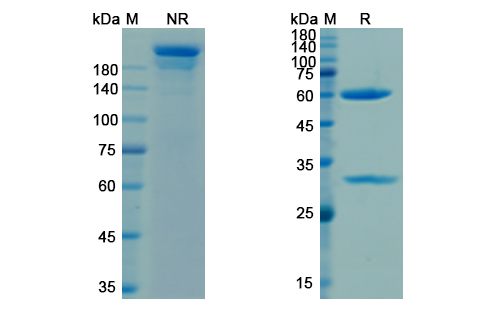
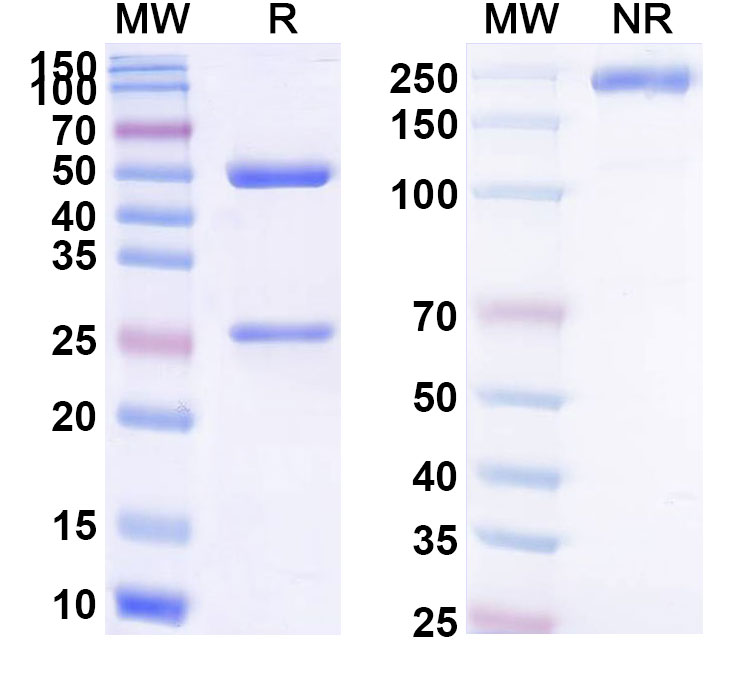
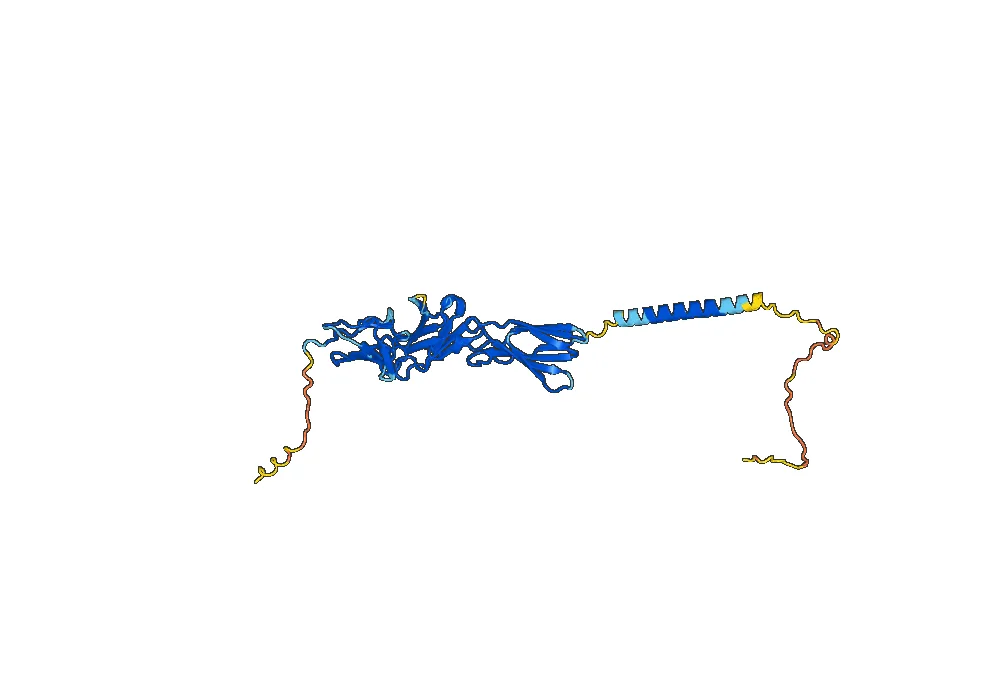
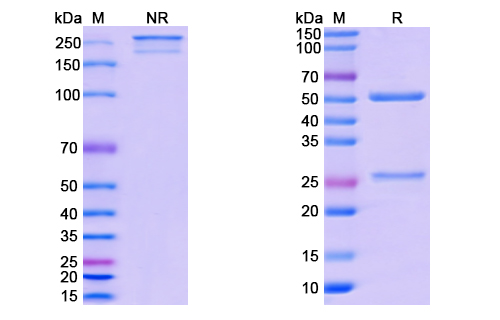
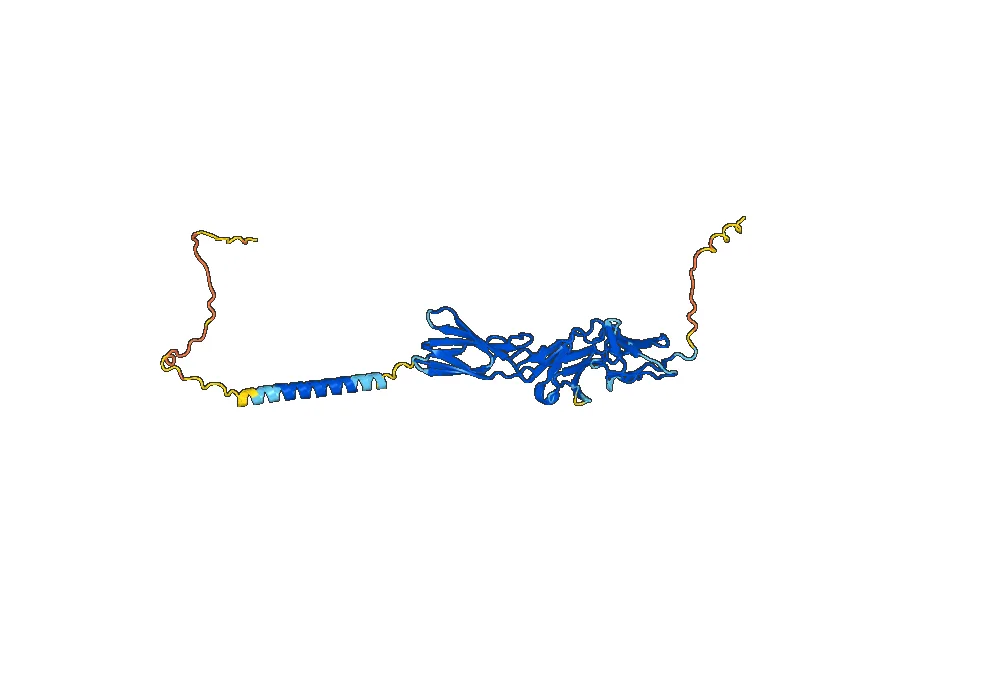
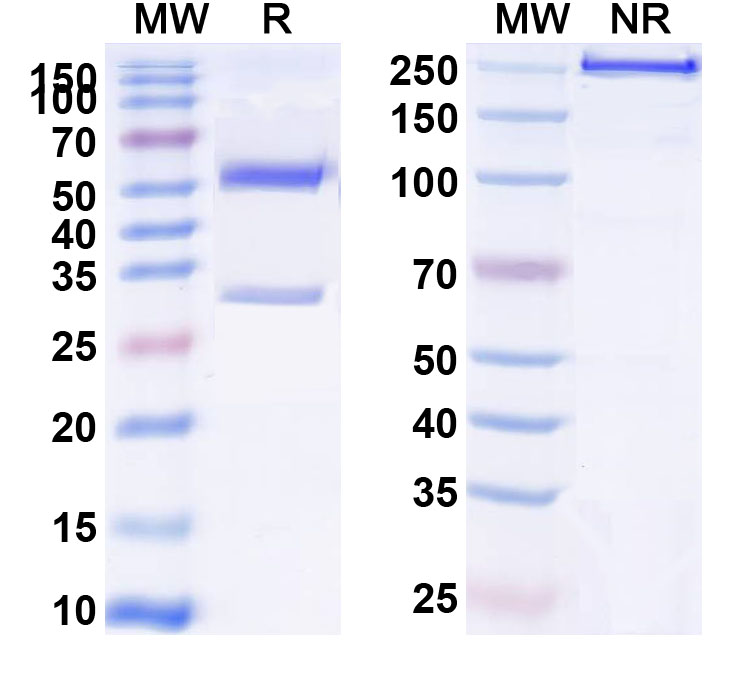
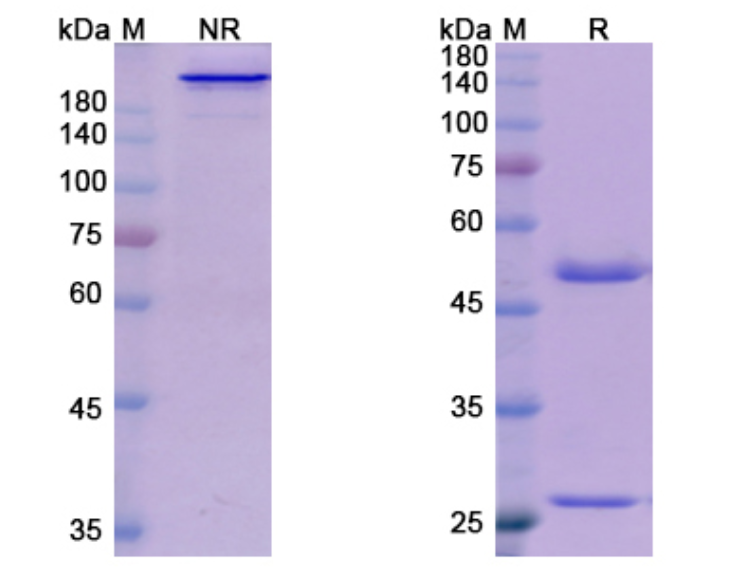
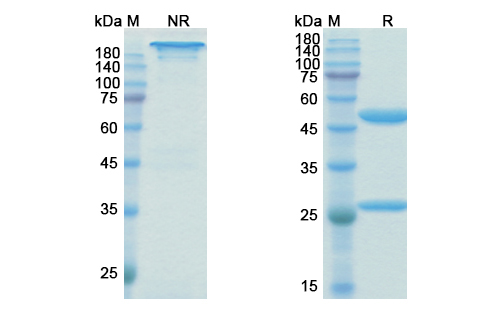
The structure of Pivekimab Biosimilar is similar to that of Pivekimab, as it is a recombinant human IgG1 antibody. It is composed of two heavy chains and two light chains, which are linked together by disulfide bonds. The heavy chains consist of four constant regions (CH1, CH2, CH3, and CH4) and one variable region (VH), while the light chains consist of two constant regions (CL) and one variable region (VL). The variable regions of both the heavy and light chains are responsible for binding to the IL3RA receptor.
The Activity of Pivekimab Biosimilar
Pivekimab Biosimilar works by specifically targeting the IL3RA receptor, which is found on the surface of various immune cells, including T cells, B cells, and myeloid cells. The IL3RA receptor is known to play a crucial role in the activation and proliferation of these immune cells, making it a promising therapeutic target for treating inflammatory diseases.
By binding to the IL3RA receptor, Pivekimab Biosimilar blocks the binding of interleukin-3 (IL-3), a cytokine that is responsible for activating the receptor. This prevents the activation and proliferation of immune cells, leading to a decrease in inflammation. Pivekimab Biosimilar also has the ability to induce antibody-dependent cell-mediated cytotoxicity (ADCC), which is a process where immune cells are activated to kill target cells that have been marked by the antibody.
Applications of Pivekimab Biosimilar
Pivekimab Biosimilar has shown potential in treating various inflammatory diseases, including rheumatoid arthritis, psoriasis, and asthma. In preclinical studies, it has been shown to effectively reduce inflammation and improve disease symptoms in animal models of these diseases.
In addition, Pivekimab Biosimilar has also been studied for its potential use in cancer treatment. IL3RA is overexpressed on the surface of certain types of cancer cells, making it a potential target for cancer therapy. Pivekimab Biosimilar has shown promising results in inhibiting the growth of these cancer cells in preclinical studies.
Moreover, Pivekimab Biosimilar has also been studied for its use in transplantation. IL3RA is known to play a role in graft-versus-host disease (GVHD), a condition that can occur after a stem cell or bone marrow transplant. By targeting the IL3RA receptor, Pivekimab Biosimilar has the potential to prevent GVHD and improve the success of transplantation procedures.
Conclusion
Pivekimab Biosimilar, also known as Anti-IL3RA mAb, is a research-grade version of the therapeutic antibody Pivekimab. It is a monoclonal antibody that specifically targets the IL3RA receptor, which is found on various immune cells. By blocking the activation of this receptor, Pivekimab Biosimilar has shown potential in treating inflammatory diseases, cancer, and GVHD. Its structure and activity make it a promising candidate for further research and development in the field of immunotherapy.


There are no reviews yet.