Introduction
Ociperlimab Biosimilar, also known as Anti-TIGIT mAb, is a research grade antibody that has shown promising results in the treatment of various cancers. This novel therapeutic agent targets the T-cell immunoreceptor with Ig and ITIM domains (TIGIT), a protein that plays a crucial role in regulating immune responses and has been found to be overexpressed in many cancer types. In this article, we will delve into the structure, activity, and potential applications of Ociperlimab Biosimilar, highlighting its potential as a therapeutic target for cancer treatment.
Structure of Ociperlimab Biosimilar
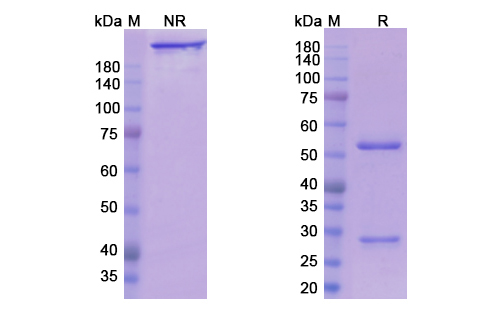
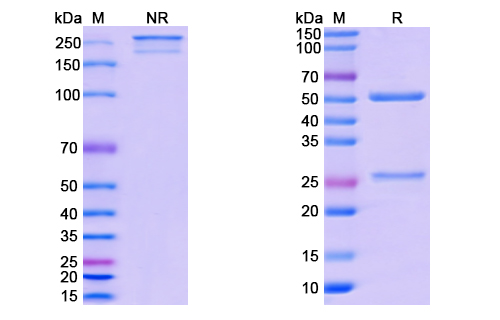
Ociperlimab Biosimilar is a monoclonal antibody (mAb) that specifically binds to TIGIT. It is a fully humanized IgG1 antibody, meaning that it is derived from human genetic material and has a structure similar to the antibodies naturally produced by our immune system. The mAb has a molecular weight of approximately 150 kDa and is composed of two heavy chains and two light chains, each with a variable region that binds to TIGIT and a constant region that mediates effector functions.
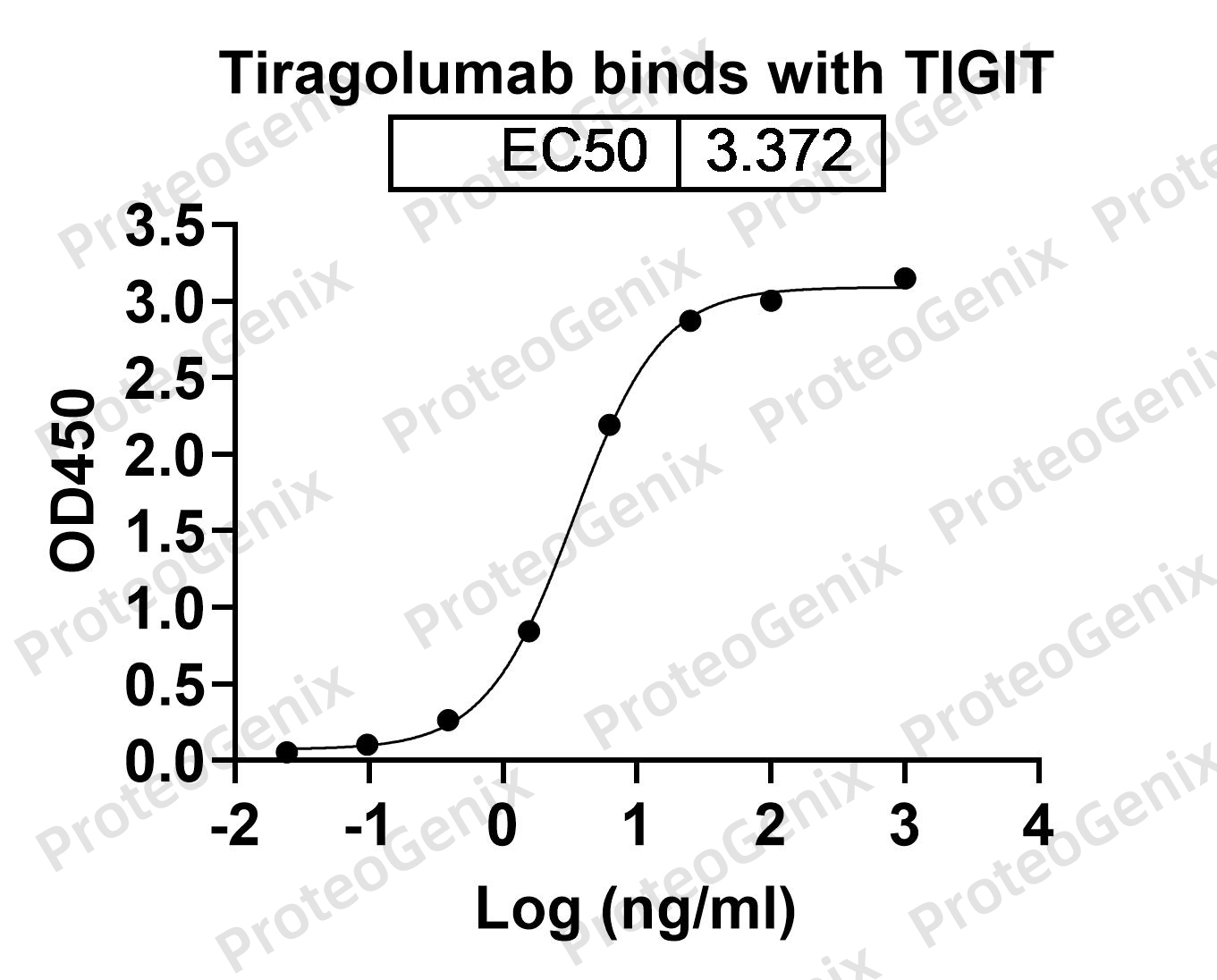
The variable region of Ociperlimab Biosimilar has been engineered to have a high affinity for TIGIT, allowing it to effectively block the interaction between TIGIT and its ligands, CD155 and CD112. This binding prevents TIGIT from inhibiting the activation of T cells, which are crucial for mounting an effective immune response against cancer cells.
Mechanism of Action Ociperlimab Biosimilar exerts its anti-
cancer effects through multiple mechanisms. By blocking the TIGIT pathway, it enhances the activity of T cells, promoting their proliferation and cytokine production. This leads to an increased immune response against cancer cells, resulting in their destruction. In addition, Ociperlimab Biosimilar also has the potential to induce antibody-dependent cell-mediated cytotoxicity (ADCC), where immune cells such as natural killer (NK) cells recognize and destroy cancer cells bound by the antibody.
Furthermore, studies have shown that Ociperlimab Biosimilar can also modulate the tumor microenvironment by reducing the number of immunosuppressive regulatory T cells and myeloid-derived suppressor cells, while increasing the number of effector T cells. This creates a more favorable environment for the immune system to attack cancer cells.
Potential Applications
Ociperlimab Biosimilar has shown promising results in preclinical studies and early clinical trials for the treatment of various cancers, including melanoma, non-small cell lung cancer, and head and neck squamous cell carcinoma. It has also been investigated in combination with other anti- cancer therapies, such as immune checkpoint inhibitors, with encouraging results.
Currently, Ociperlimab Biosimilar is being evaluated in multiple ongoing clinical trials, including a phase III trial for the treatment of advanced or metastatic melanoma. If successful, this antibody has the potential to become a valuable therapeutic option for patients with these types of cancers.
Conclusion
Ociperlimab Biosimilar, a research grade anti-TIGIT mAb, has a unique mechanism of action that makes it a promising therapeutic target for cancer treatment. Its high specificity and ability to enhance the immune response against cancer cells make it a potential game-changer in the field of oncology. Further studies and clinical trials are needed to fully understand the potential of Ociperlimab Biosimilar and its role in the treatment of cancer.
There are no reviews yet.