Introduction
Neuraminidase, also known as sialidase, is an enzyme that plays a crucial role in the life cycle of many viruses, including influenza. It is responsible for cleaving sialic acid residues from glycoproteins and glycolipids on the surface of host cells, allowing the virus to be released and spread to other cells. In this article, we will explore the structure, activity, and application of neuraminidase, with a focus on its recombinant protein form as an antigen.
Structure of Neuraminidase
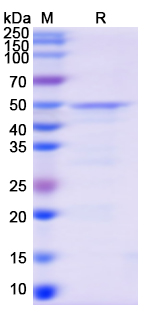
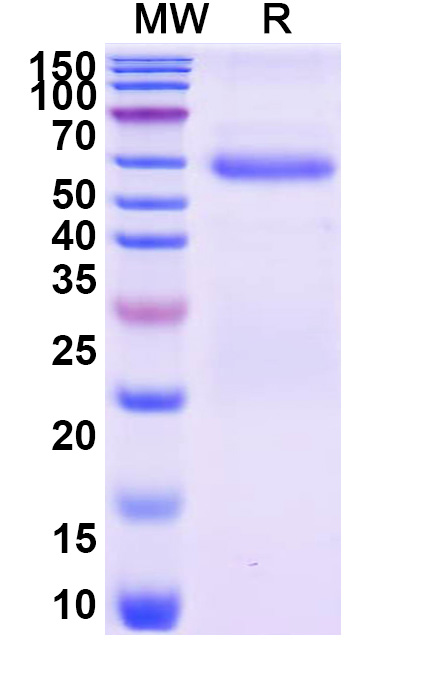
Neuraminidase is a glycoprotein that is found on the surface of many enveloped viruses, including influenza. It is a tetramer, meaning it is composed of four identical subunits, each with a molecular weight of approximately 50 kDa. The four subunits are arranged in a square shape, with each subunit containing a catalytic site responsible for cleaving sialic acid residues.
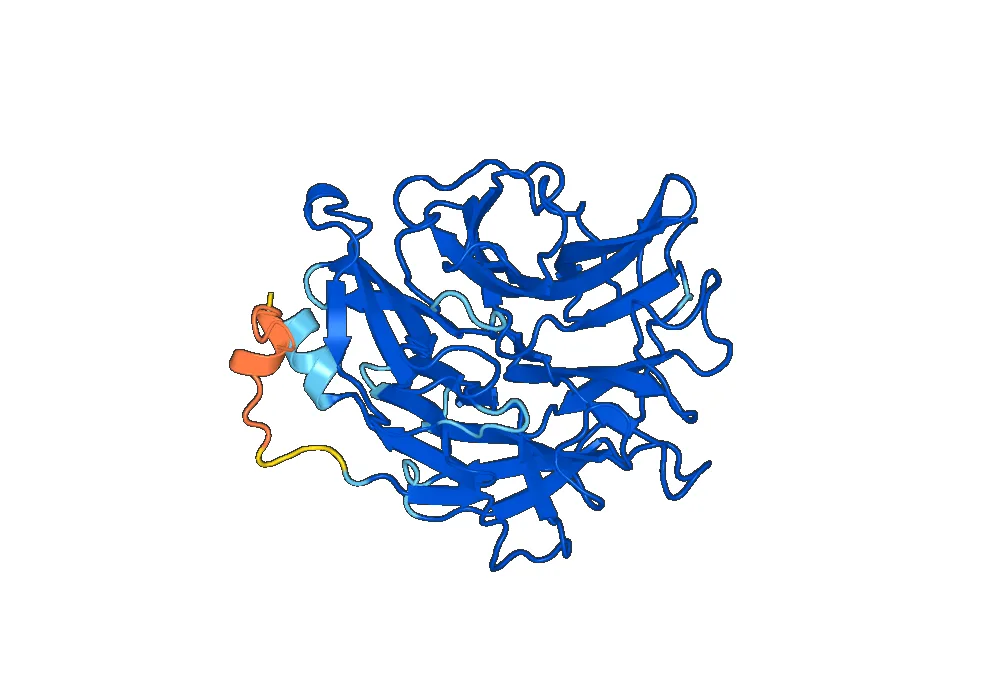
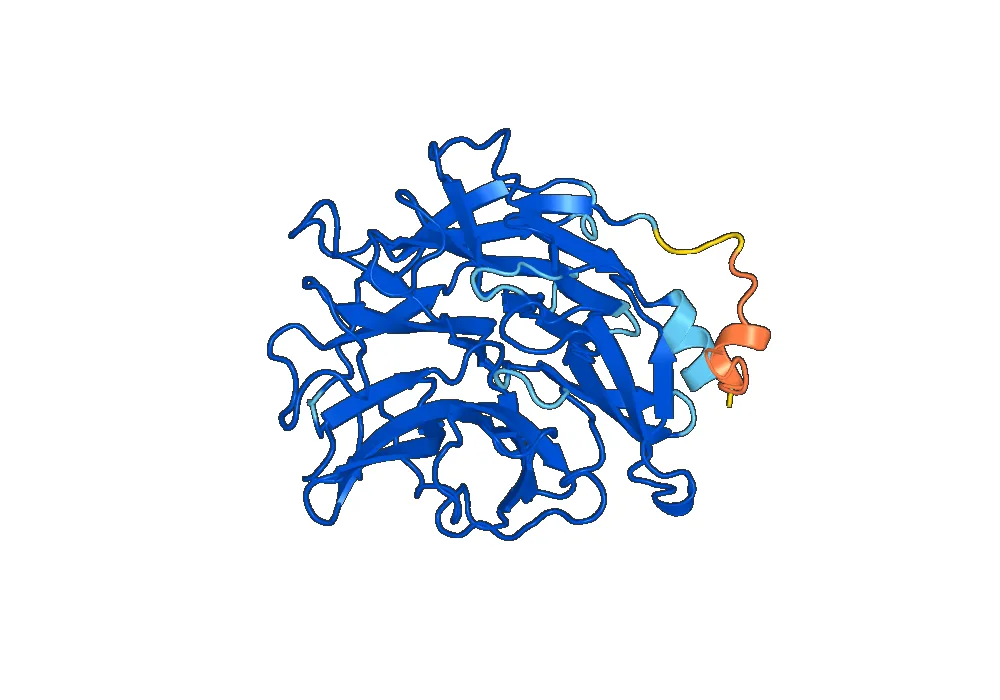
The amino acid sequence of neuraminidase is highly conserved across different strains of influenza, with only minor variations. This makes it an ideal target for antiviral drugs and vaccines. The structure of neuraminidase has been extensively studied, and its three-dimensional structure has been determined through X-ray crystallography. This has provided valuable insights into its function and has aided in the development of antiviral drugs.
Activity of Neuraminidase
The main function of neuraminidase is to cleave sialic acid residues from glycoproteins and glycolipids on the surface of host cells. This allows the virus to be released from the host cell and spread to other cells. Influenza viruses are constantly evolving, and neuraminidase plays a crucial role in this process. Minor variations in the amino acid sequence of neuraminidase can result in changes in its activity, making it more or less effective at cleaving sialic acid residues.
In addition to its role in viral release and spread, neuraminidase also plays a role in the host immune response. It can bind to sialic acid residues on the surface of immune cells, inhibiting their function and allowing the virus to evade the immune system. This highlights the importance of neuraminidase in the pathogenesis of influenza.
Recombinant Neuraminidase as an Antigen
Recombinant proteins are proteins that are produced through genetic engineering techniques, rather than being isolated from natural sources. Recombinant neuraminidase has been produced for use as an antigen in antiviral drugs and vaccines. This is because it is highly immunogenic and can induce a strong immune response in the host.
Recombinant neuraminidase is produced by inserting the gene encoding neuraminidase into a suitable expression vector, such as a bacterial or mammalian cell. The protein is then expressed and purified, resulting in a highly pure and active form of neuraminidase. This recombinant protein can then be used as an antigen in vaccines or as a target for antiviral drugs.
Application of Neuraminidase
Neuraminidase has a wide range of applications in both research and medicine. As mentioned earlier, it is a crucial target for antiviral drugs and vaccines. The development of neuraminidase inhibitors, such as oseltamivir and zanamivir, has revolutionized the treatment of influenza. These drugs work by binding to the active site of neuraminidase, preventing it from cleaving sialic acid residues and inhibiting viral release.
In addition to its role in influenza, neuraminidase has also been studied for its potential use in cancer therapy. It has been shown to play a role in tumor progression and metastasis, making it a potential target for cancer treatment.
Conclusion
Neuraminidase, also known as sialidase, is an important enzyme involved in the life cycle of many viruses,


There are no reviews yet.