Introduction
Motavizumab Biosimilar, also known as Anti-RSV mAb, is a monoclonal antibody that targets the respiratory syncytial virus (RSV). RSV is a common respiratory virus that can cause serious illness, especially in infants and young children. Motavizumab Biosimilar is a research grade antibody that has been developed as a potential therapeutic option for RSV infection. In this article, we will discuss the structure, activity, and potential applications of this promising antibody.
Structure of Motavizumab Biosimilar
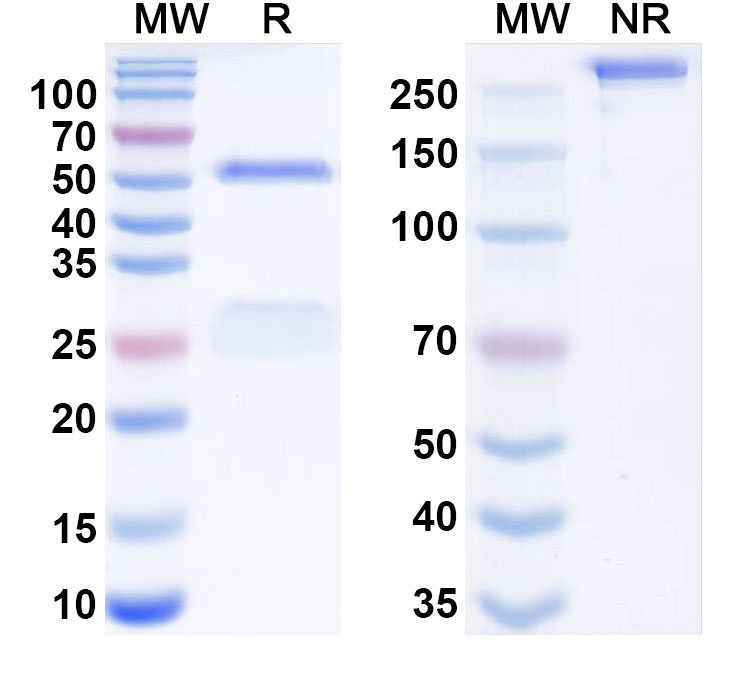
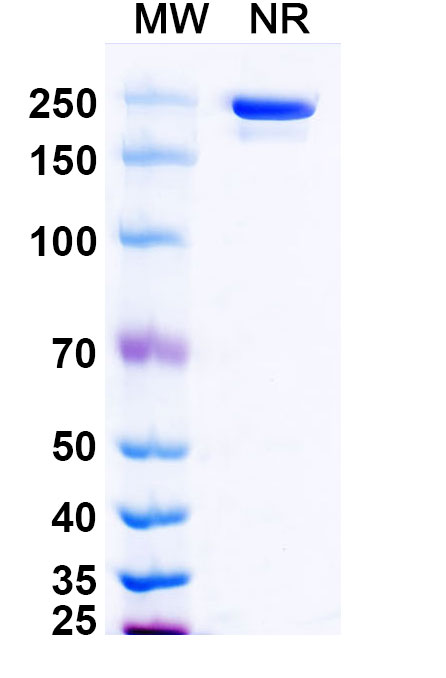
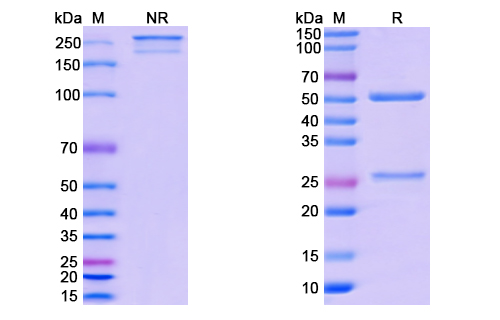
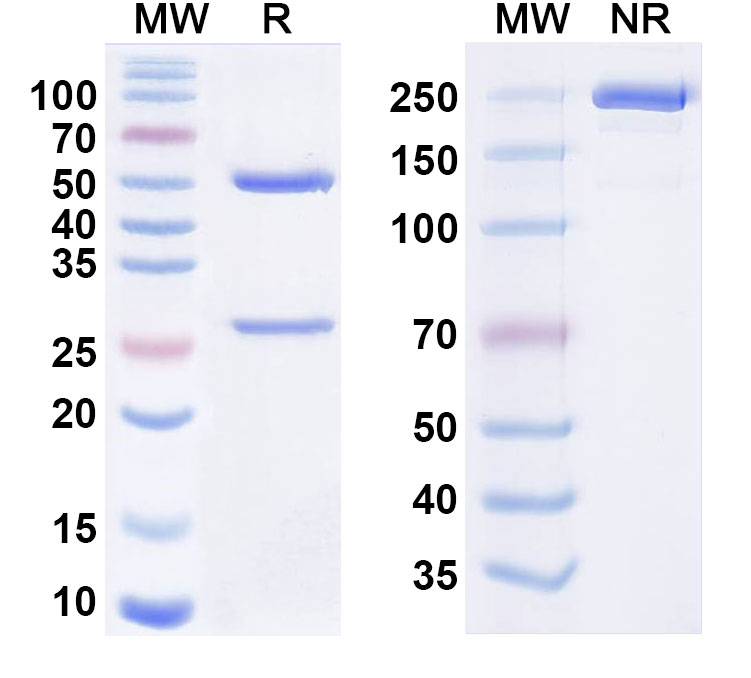
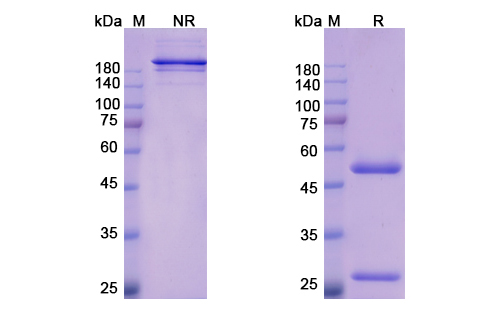
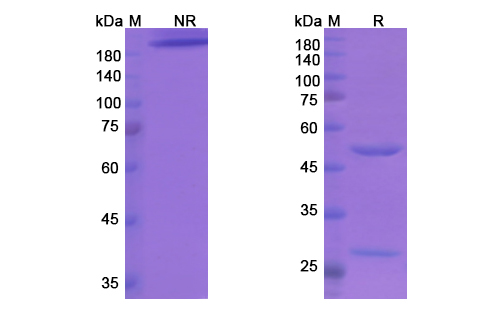
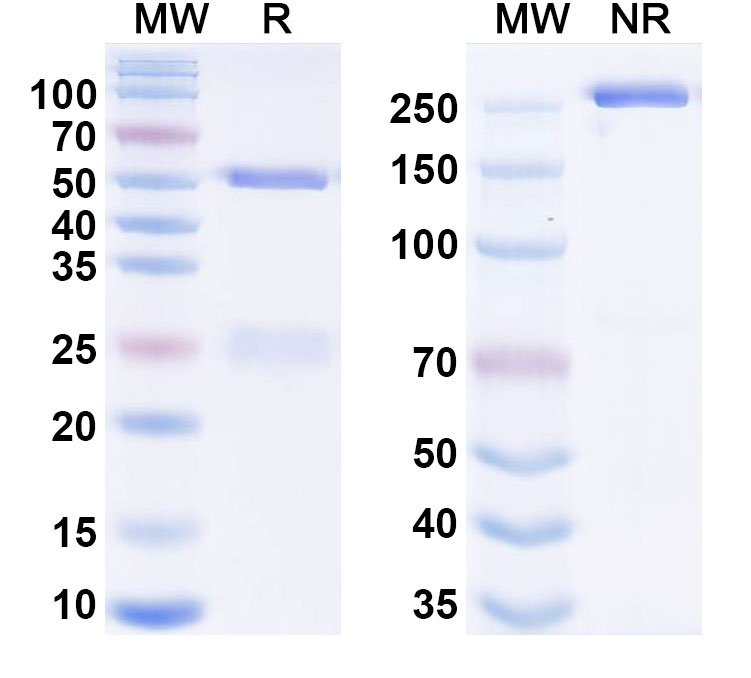
Motavizumab Biosimilar is a humanized monoclonal antibody, meaning it is derived from human cells but has been modified to have specific targeting capabilities. It is composed of two identical heavy chains and two identical light chains, which are connected by disulfide bonds. The antibody has a molecular weight of approximately 150 kDa and a half-life of 21 days in humans.
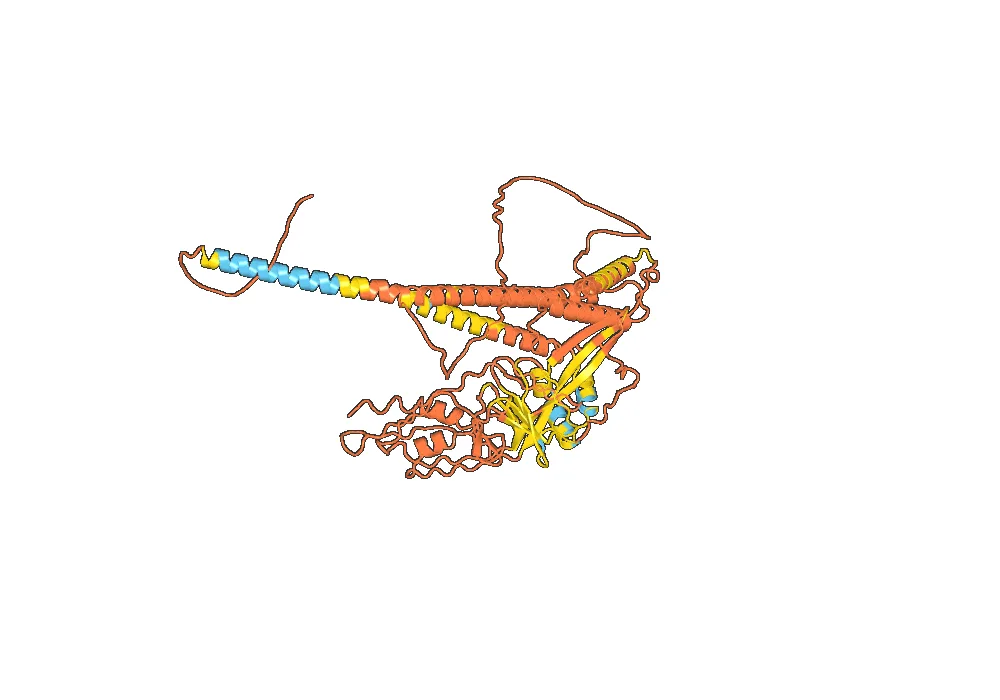
The variable region of Motavizumab Biosimilar is responsible for its specificity and ability to bind to RSV. This region is made up of six complementarity-determining regions (CDRs) that interact with specific regions on the surface of the virus. The constant region of the antibody is responsible for its effector functions, such as activating the immune system to attack and destroy RSV-infected cells.
Activity of Motavizumab Biosimilar
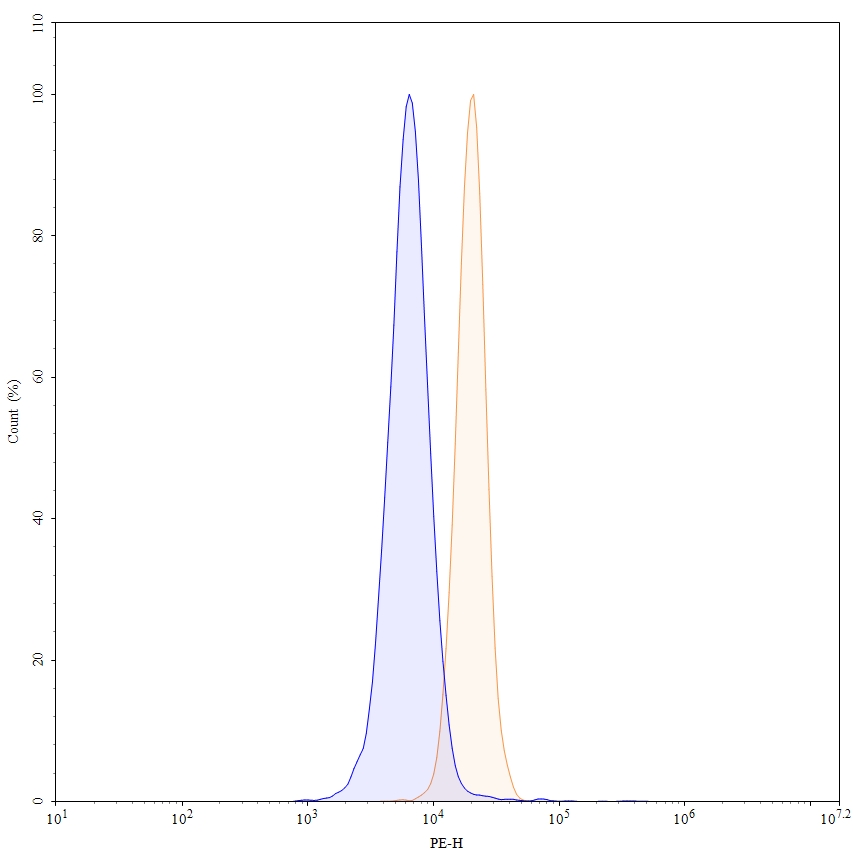
Motavizumab Biosimilar works by binding to the F protein on the surface of RSV. This protein is essential for the virus to enter and infect cells. By binding to the F protein, Motavizumab Biosimilar prevents the virus from attaching to and entering cells, thus inhibiting its ability to replicate and cause infection.
In addition to neutralizing the virus, Motavizumab Biosimilar also has the ability to activate the immune system through its constant region. This can lead to the destruction of RSV-infected cells and further limit the spread of the virus.
Potential Applications
Motavizumab Biosimilar has shown promising results in preclinical studies and is currently being evaluated in clinical trials as a potential treatment for RSV infection. It has the potential to be used as a prophylactic treatment to prevent RSV infection in high-risk individuals, such as premature infants and elderly adults.
In addition to its potential as a therapeutic option, Motavizumab Biosimilar can also be used as a research tool for studying RSV and its interactions with the immune system. Its high specificity and affinity for the F protein make it a valuable tool for studying the virus and developing new treatments.
Conclusion
In summary, Motavizumab Biosimilar is a promising research grade antibody that targets RSV. Its unique structure and activity make it a potential therapeutic option for RSV infection, as well as a valuable research tool for studying the virus. Further clinical trials will determine the full potential of this antibody in the fight against RSV.
There are no reviews yet.