Introduction to MDX-1342 Biosimilar – Anti-CD19 mAb
MDX-1342 Biosimilar is a novel therapeutic antibody that targets CD19, a protein found on the surface of B-cells. It is a biosimilar version of the well-known anti-CD19 monoclonal antibody (mAb) used in the treatment of B-cell malignancies. In this article, we will explore the structure, activity, and potential applications of MDX-1342 Biosimilar in the field of antibody-based therapies.
Structure of MDX-1342 Biosimilar
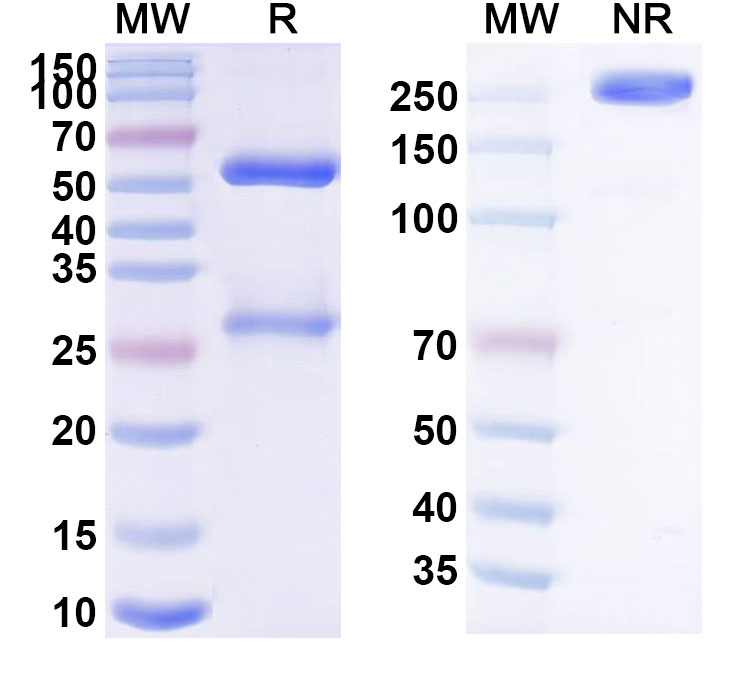
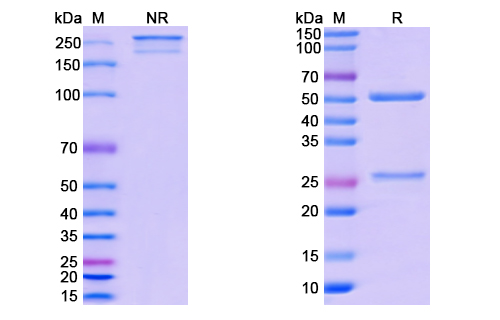
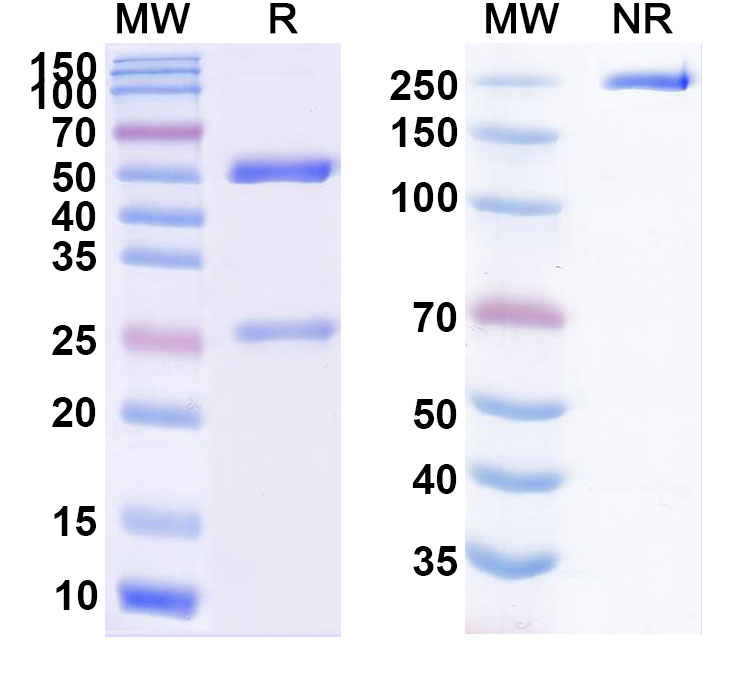
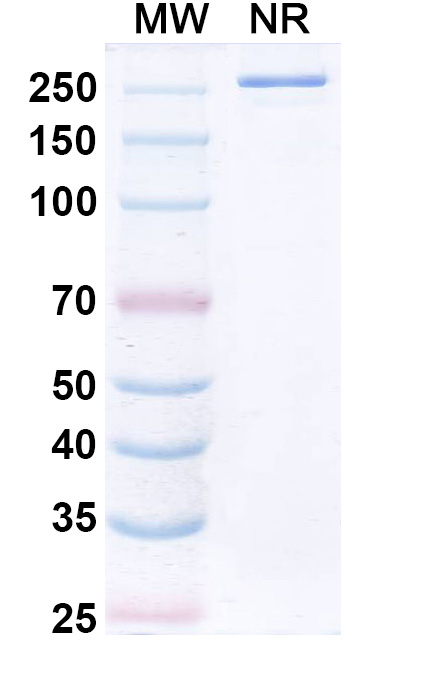
MDX-1342 Biosimilar is a recombinant humanized IgG1 monoclonal antibody with a molecular weight of approximately 150 kDa. It is composed of two identical heavy chains and two identical light chains, each containing a variable region and a constant region. The variable region of MDX-1342 Biosimilar is designed to specifically bind to the CD19 protein on B-cells, while the constant region is responsible for antibody effector functions.
Mechanism of Action
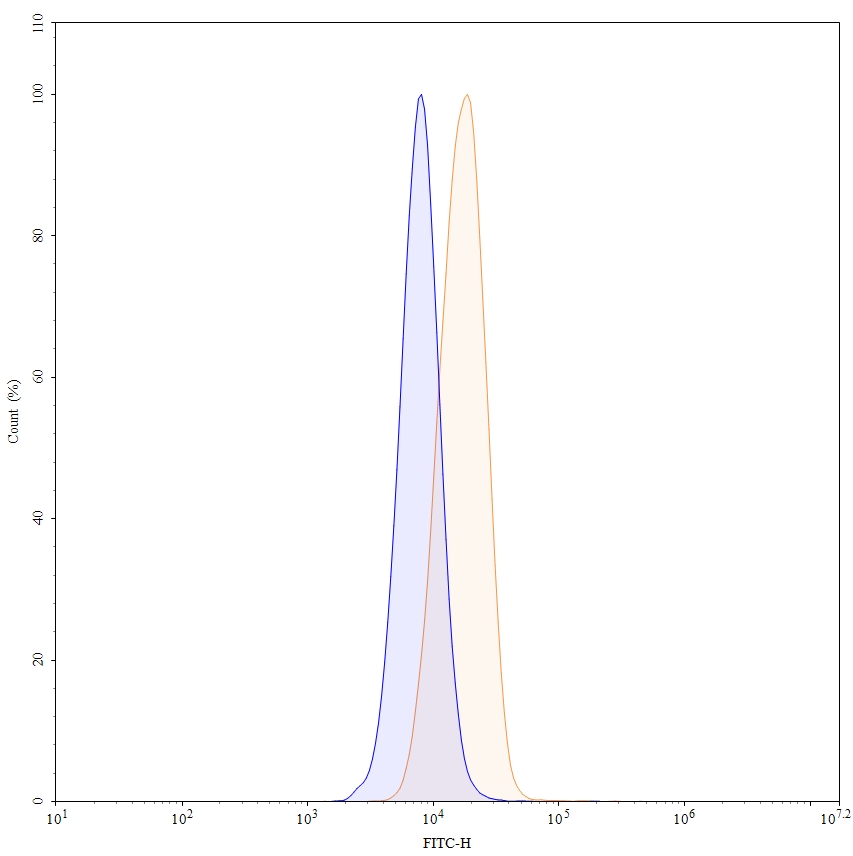
MDX-1342 Biosimilar works by binding to CD19 on the surface of B-cells, leading to their destruction through multiple mechanisms. It can trigger antibody-dependent cellular cytotoxicity (ADCC), complement-dependent cytotoxicity (CDC), and apoptosis. This results in the elimination of B-cells, including cancerous B-cells, from the body. MDX-1342 Biosimilar has been shown to have a high affinity for CD19, making it a potent therapeutic agent.
Title: Applications of MDX-1342 Biosimilar
MDX-1342 Biosimilar has shown promising results in preclinical studies and is currently being evaluated in clinical trials for the treatment of B-cell malignancies, including non-Hodgkin’s lymphoma and chronic lymphocytic leukemia. It has the potential to be used as a monotherapy or in combination with other anti- cancer drugs. MDX-1342 Biosimilar may also have potential in the treatment of autoimmune diseases, as CD19 is also expressed on the surface of autoreactive B-cells.
Advantages of a Biosimilar Antibody
Biosimilar antibodies, such as MDX-1342 Biosimilar, are designed to be highly similar to the reference antibody in terms of structure, activity, and efficacy. This allows for a faster and more cost-effective development process, as well as a more affordable treatment option for patients. Biosimilar antibodies also undergo rigorous testing to ensure safety and efficacy, making them a reliable alternative to the reference antibody.
Title: Research Grade MDX-1342 Biosimilar
MDX-1342 Biosimilar is currently in the research grade stage, meaning it is not yet approved for clinical use. However, it is being extensively studied in preclinical and clinical trials to determine its safety and efficacy. The results of these studies will help in obtaining regulatory approval for the use of MDX-1342 Biosimilar in the treatment of B-cell malignancies.
Conclusion
In conclusion, MDX-1342 Biosimilar is a promising therapeutic antibody that specifically targets CD19 on B-cells. Its structure and mechanism of action make it a potent anti- cancer agent, with potential applications in other diseases. As a biosimilar antibody, it offers advantages in terms of development and affordability. Further research and clinical trials will determine the full potential of MDX-1342 Biosimilar in the treatment of B-cell malignancies and other diseases.


There are no reviews yet.