Introduction
Mavrilimumab Biosimilar – Anti-CSF2RA, CD116 mAb – Research Grade is a monoclonal antibody that is being developed as a biosimilar to the already approved drug, mavrilimumab. It targets the receptor for colony-stimulating factor 2 (CSF2RA or CD116) and has potential therapeutic applications in various inflammatory and autoimmune diseases. In this article, we will discuss the structure, activity, and potential applications of this biosimilar in detail.
Structure
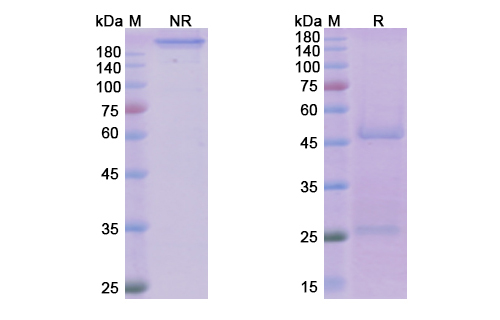
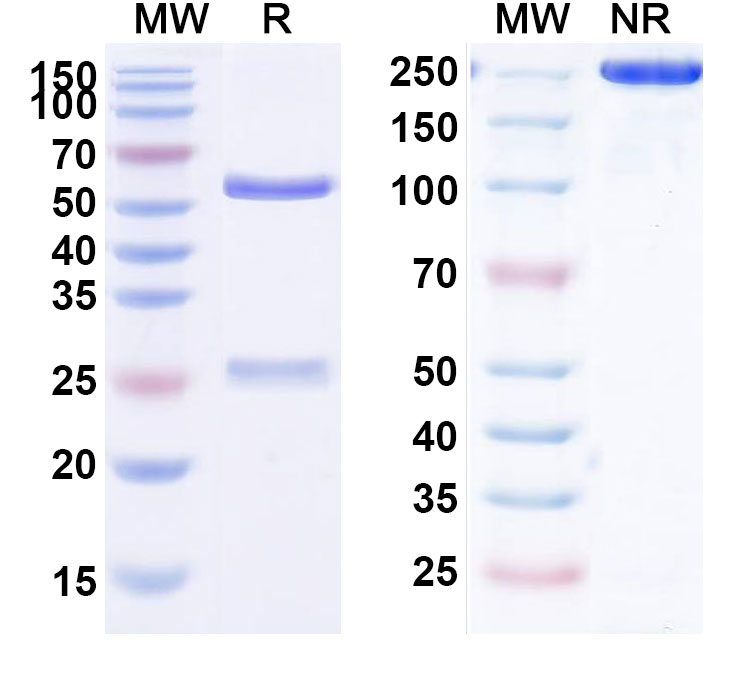
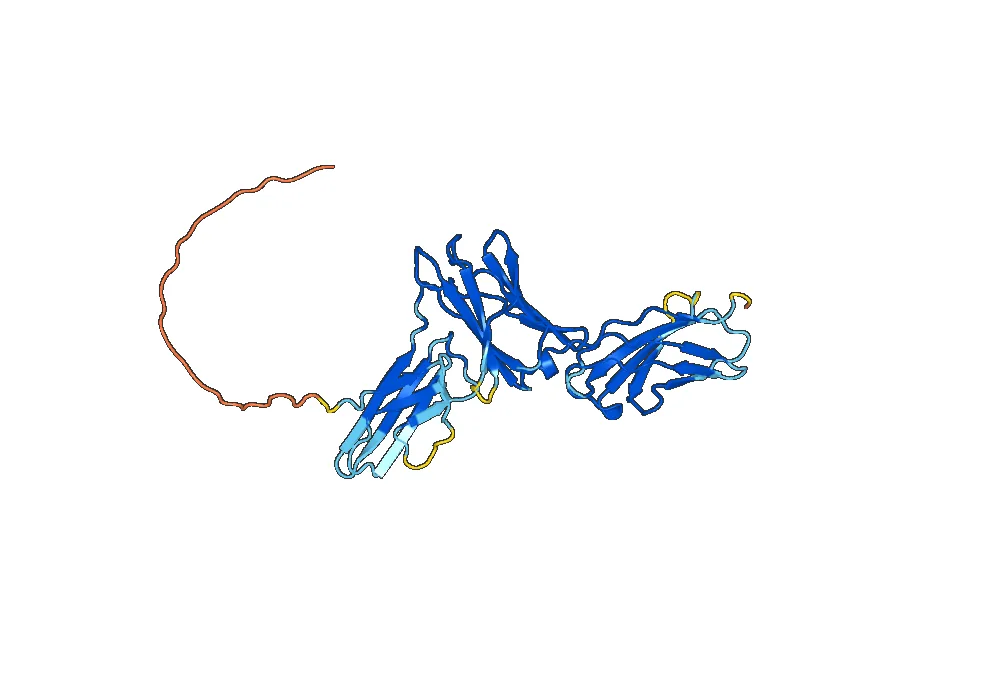
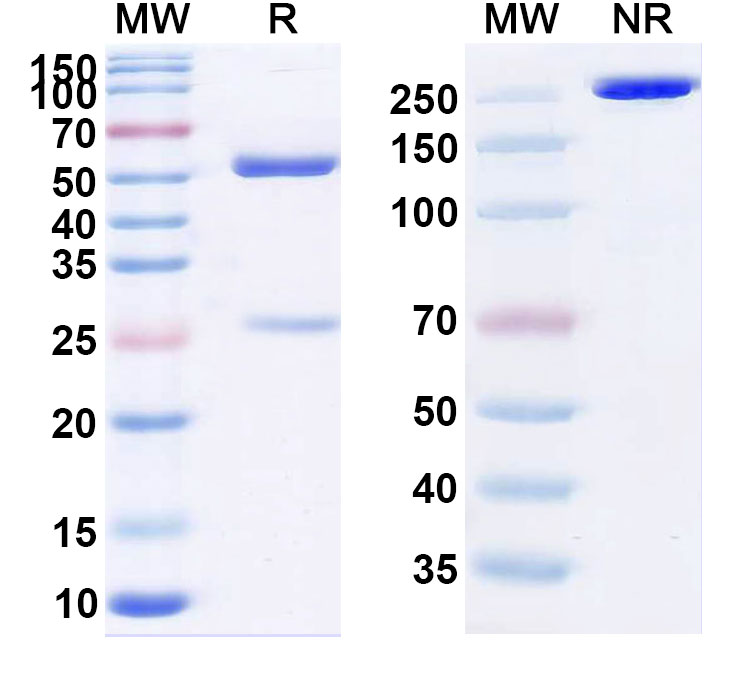
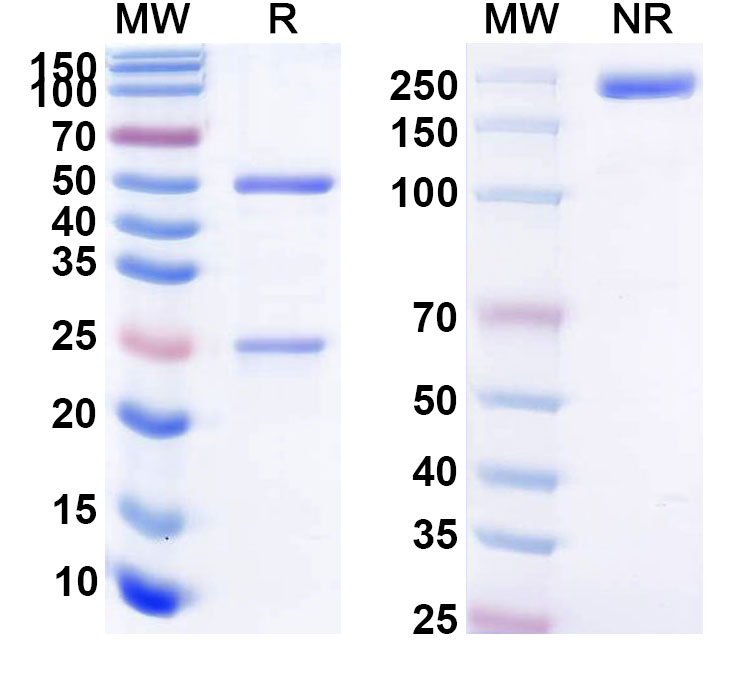
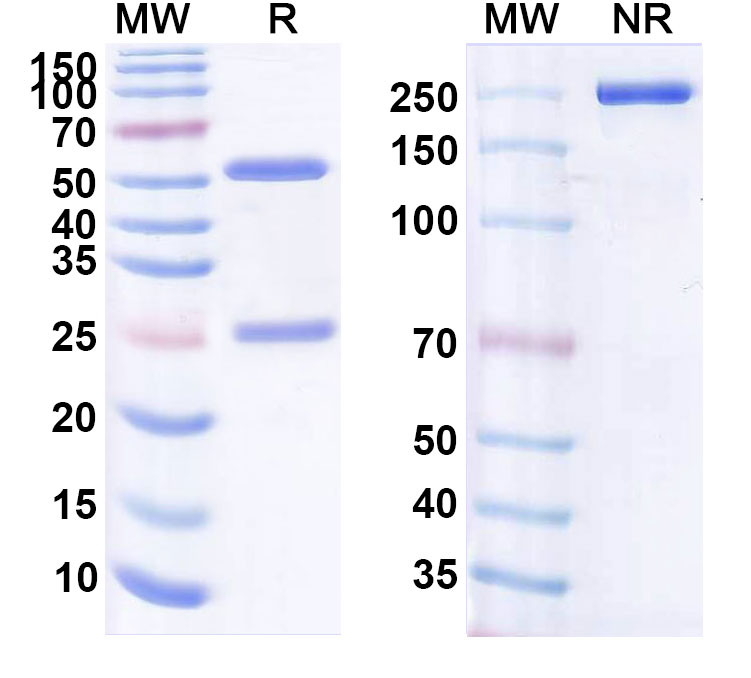
Mavrilimumab Biosimilar is a monoclonal antibody that is produced by recombinant DNA technology. It is a humanized IgG1 antibody, which means it contains both human and mouse components. The antibody has a molecular weight of approximately 150 kDa and consists of two heavy chains and two light chains. The heavy chains are made up of four constant domains (CH1, CH2, CH3, and CH4) and one variable domain (VH), while the light chains consist of two constant domains (CL) and one variable domain (VL). The variable domains of the heavy and light chains come together to form the antigen-binding site, which is responsible for the specificity of the antibody.
Activity
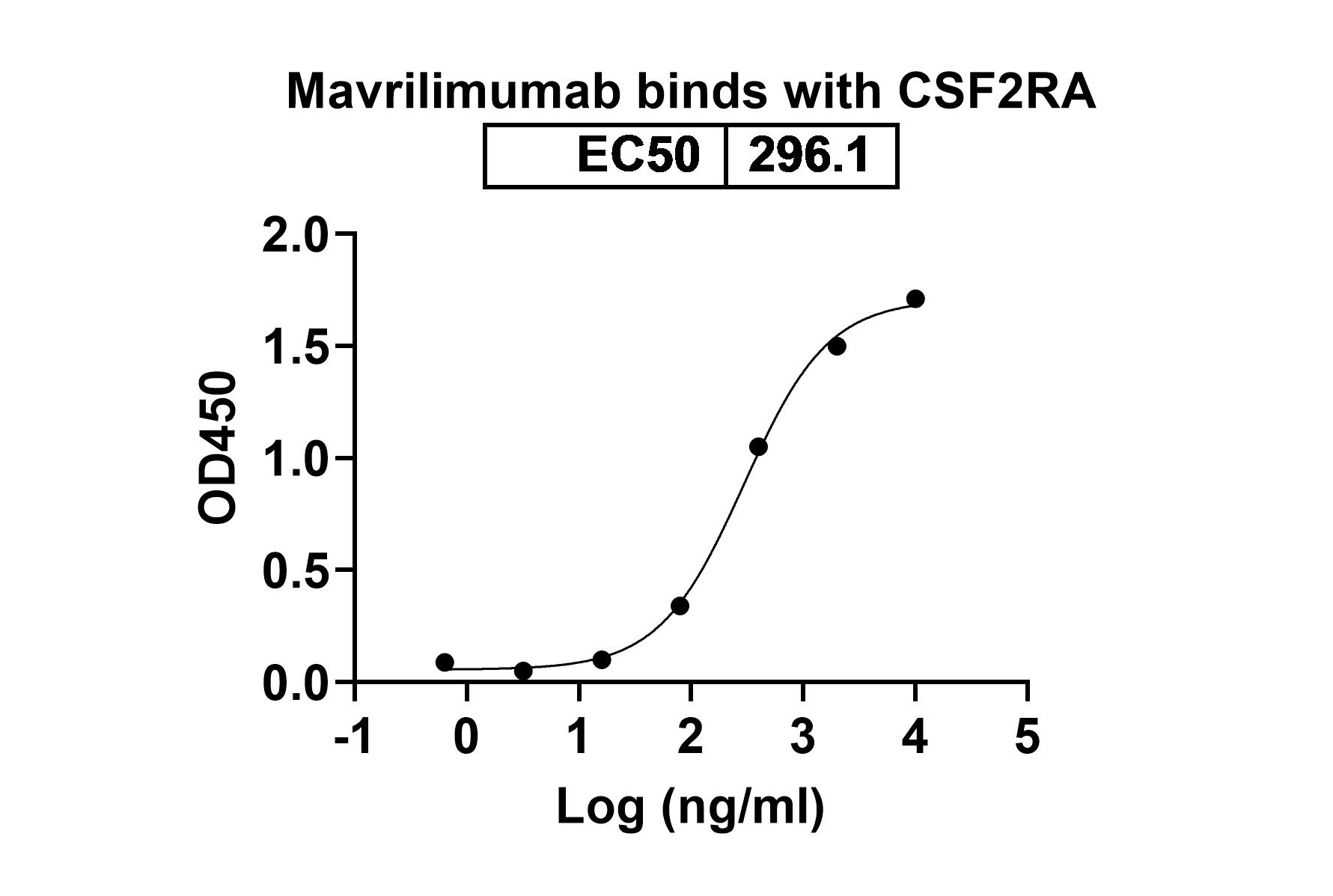
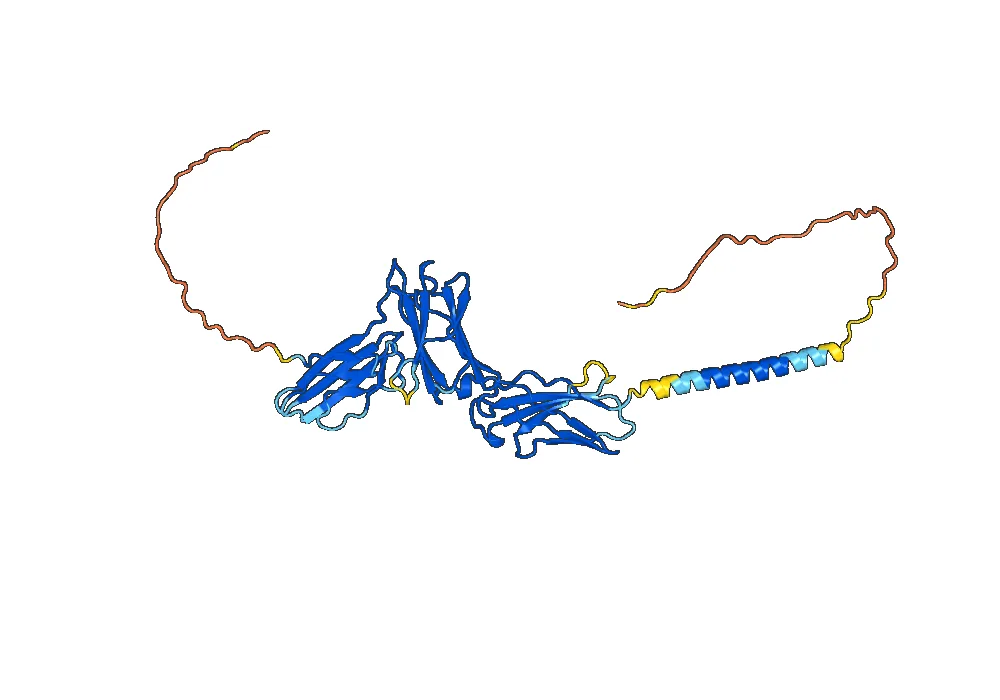
Mavrilimumab Biosimilar specifically targets the receptor for colony-stimulating factor 2 (CSF2RA or CD116). This receptor is found on the surface of various immune cells, including macrophages, neutrophils, and dendritic cells. When CSF2RA is activated by its ligand, colony-stimulating factor 2 (CSF2), it triggers a signaling cascade that leads to the activation of these immune cells. This, in turn, can result in inflammation and tissue damage.
By targeting CSF2RA, Mavrilimumab Biosimilar can block the activation of immune cells and reduce inflammation. It does so by binding to the receptor and preventing CSF2 from binding to it. This inhibits the downstream signaling cascade and reduces the production of pro-inflammatory cytokines, such as TNF-alpha, IL-1, and IL-6. This anti-inflammatory activity makes Mavrilimumab Biosimilar a potential therapeutic option for various inflammatory and autoimmune diseases.
Applications
Mavrilimumab Biosimilar is being developed for the treatment of various inflammatory and autoimmune diseases, including rheumatoid arthritis (RA), psoriatic arthritis, and giant cell arteritis (GCA). These diseases are characterized by chronic inflammation, which can lead to joint damage, pain, and disability. Current treatments for these conditions, such as non-steroidal anti-inflammatory drugs (NSAIDs) and disease-modifying anti-rheumatic drugs (DMARDs), have limited efficacy and can cause significant side effects.
Mavrilimumab Biosimilar has shown promising results in clinical trials for the treatment of RA. In a phase II study, it was found to be more effective than placebo in reducing signs and symptoms of RA, as well as improving physical function in patients who had an inadequate response to DMARDs. Another phase II study showed that Mavrilimumab Biosimilar was well-tolerated and had a favorable safety profile in patients with RA.
Apart from RA, Mavrilimumab Biosimilar has also shown potential in the treatment of other inflammatory and autoimmune diseases. In a phase II study, it was found to be effective in reducing signs and symptoms of psoriatic arthritis, a chronic inflammatory disease that affects the joints and skin. It has also been studied in GCA, a condition characterized by inflammation of the blood vessels, and has shown promising results in reducing the risk of relapse.
Conclusion
Mavrilimumab Biosimilar – Anti-CSF2RA, CD116 mAb – Research Grade is a promising biosimilar that targets the receptor for colony-stimulating factor 2. It has shown potential in the treatment of various inflammatory and autoimmune diseases, including RA, psoriatic arthritis, and GCA. Its anti-inflammatory activity makes it a potential alternative to current treatments, with the added benefit of a favorable safety profile. Further studies are needed to establish its efficacy and safety in larger patient populations

There are no reviews yet.