Introduction to Mavezelimab Biosimilar – Anti-LAG3, CD223 mAb
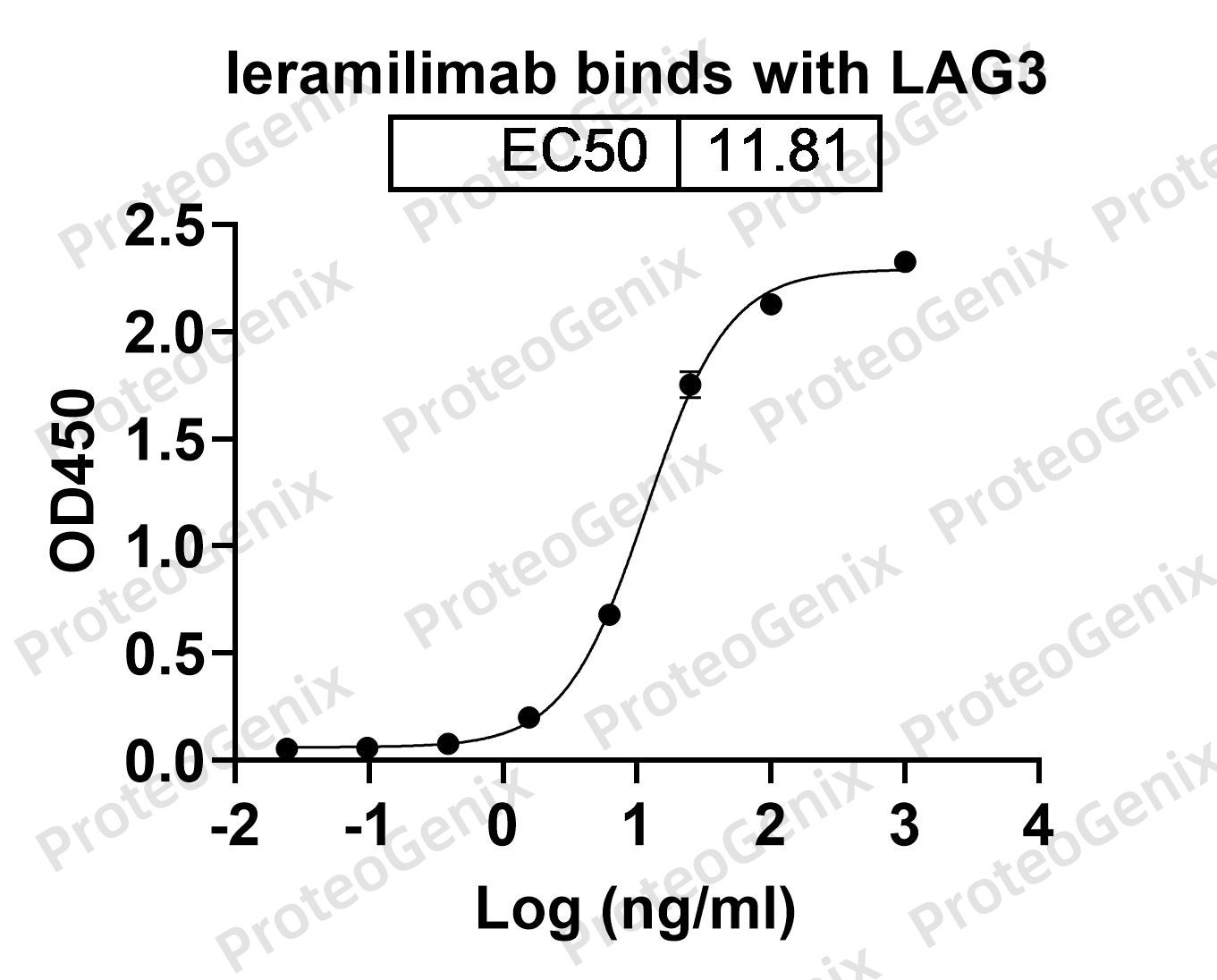
Mavezelimab Biosimilar, also known as Anti-LAG3, CD223 mAb, is a monoclonal antibody that specifically targets the lymphocyte activation gene 3 (LAG3) protein. This protein is found on the surface of immune cells, including T cells and natural killer (NK) cells, and plays a crucial role in regulating immune responses. Mavezelimab Biosimilar is a research grade antibody that has shown promising results in pre-clinical studies and is being developed as a potential therapeutic for various diseases.
Structure of Mavezelimab Biosimilar
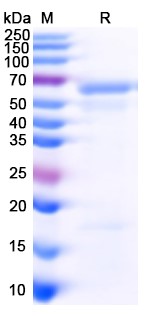
Mavezelimab Biosimilar is a monoclonal antibody that is produced by recombinant DNA technology. It is a fully humanized antibody, meaning it is derived from human genetic material and has a lower risk of causing immune reactions in patients. The antibody has a molecular weight of approximately 150 kDa and is composed of two heavy chains and two light chains. The heavy chains contain the antigen-binding region, while the light chains provide structural stability to the antibody.
Mechanism of Action
Mavezelimab Biosimilar works by binding to the LAG3 protein on the surface of immune cells. This binding inhibits the interaction between LAG3 and its ligand, MHC class II molecules, which is essential for the suppression of T cell responses. By blocking this interaction, Mavezelimab Biosimilar enhances the activation and proliferation of T cells, leading to a more robust immune response against cancer cells or pathogens. Additionally, Mavezelimab Biosimilar also promotes the activation and function of NK cells, further enhancing the immune response.
Applications of Mavezelimab Biosimilar
Mavezelimab Biosimilar is being investigated as a potential therapeutic for various diseases, including cancer, autoimmune disorders, and infectious diseases. Its ability to enhance T cell and NK cell responses makes it a promising candidate for cancer immunotherapy. In pre-clinical studies, Mavezelimab Biosimilar has shown efficacy in inhibiting tumor growth and improving survival rates in animal models of cancer.
In addition to cancer, Mavezelimab Biosimilar is also being evaluated for its potential in treating autoimmune disorders such as multiple sclerosis and rheumatoid arthritis. By promoting T cell activation, the antibody may help in controlling the overactive immune response that leads to these diseases.
Furthermore, Mavezelimab Biosimilar has shown promising results in pre-clinical studies as a potential treatment for viral infections, including HIV and hepatitis B. By enhancing immune responses, the antibody may help in clearing the virus and reducing viral load in infected individuals.
Research Grade Antibody
Mavezelimab Biosimilar is currently in the pre-clinical stage of development and is not yet approved for clinical use. However, it is available as a research grade antibody for use in laboratory studies. The high specificity and potency of Mavezelimab Biosimilar make it a valuable tool for researchers studying the role of LAG3 in immune responses and its potential as a therapeutic target.
Conclusion
In summary, Mavezelimab Biosimilar is a promising monoclonal antibody that targets the LAG3 protein on immune cells. Its ability to enhance T cell and NK cell responses makes it a potential therapeutic for various diseases, including cancer, autoimmune disorders, and viral infections. As a research grade antibody, Mavezelimab Biosimilar is a valuable tool for scientists studying the role of LAG3 in immune responses and its potential as a therapeutic target. Further clinical studies are needed to determine the safety and efficacy of Mavezelimab Biosimilar in treating human diseases.


There are no reviews yet.