Lixudebart Biosimilar: A Novel Anti-CLDN1 mAb for Therapeutic Targeting
Lixudebart Biosimilar is a newly developed monoclonal antibody (mAb) that specifically targets the claudin-1 (CLDN1) protein. This biosimilar is a research-grade version of the original Lixudebart mAb, which has shown promising results in pre-clinical studies for the treatment of various cancers. In this article, we will explore the structure, activity, and potential applications of Lixudebart Biosimilar as an anti-CLDN1 mAb.
Structure of Lixudebart Biosimilar
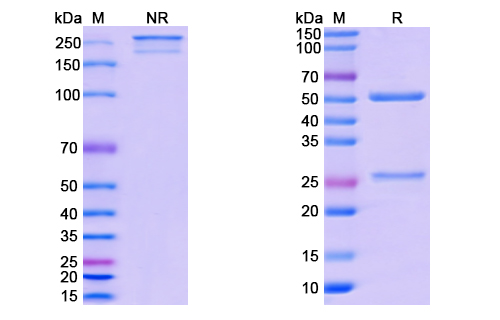
Lixudebart Biosimilar is a chimeric mAb, meaning it is composed of both human and mouse-derived components. The variable region of the antibody is derived from a mouse monoclonal antibody, while the constant region is of human origin. This structure allows for high specificity and affinity towards the CLDN1 protein, while also reducing the risk of immune reactions in patients.
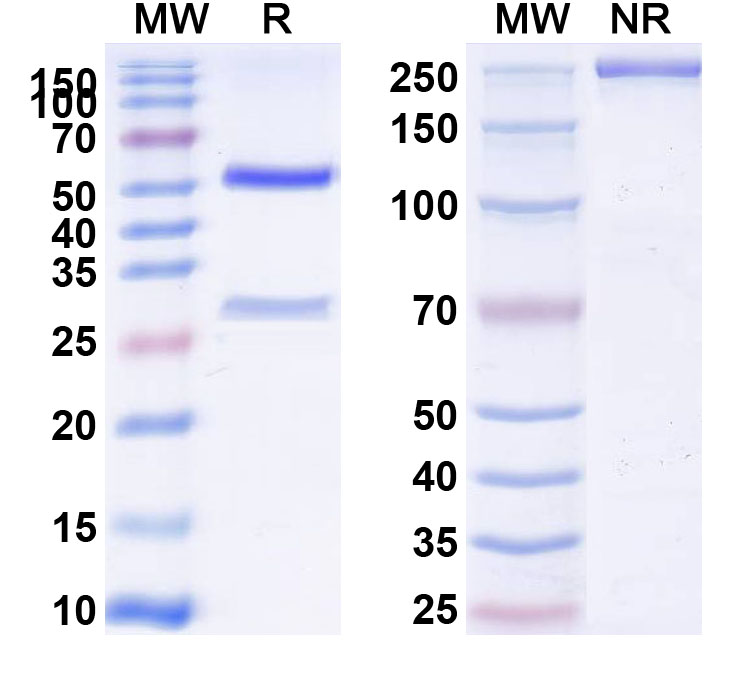
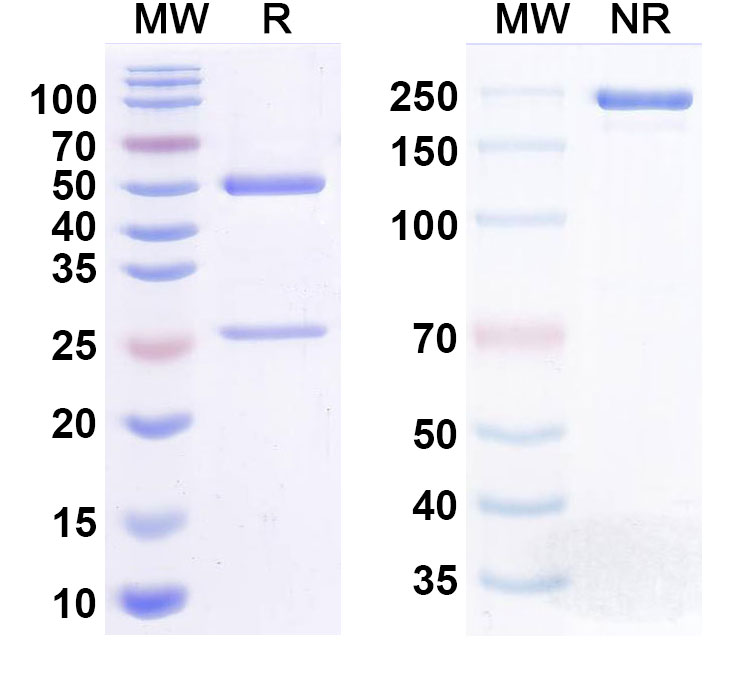
The antibody has a Y-shaped structure, with two identical heavy chains and two identical light chains. Each chain is composed of a variable region, responsible for binding to CLDN1, and a constant region, which facilitates effector functions such as antibody-dependent cellular cytotoxicity (ADCC) and complement-dependent cytotoxicity (CDC).
Activity of Lixudebart Biosimilar
CLDN1 is a tight junction protein that is overexpressed in various types of cancer, including breast, lung, and pancreatic cancer. This protein plays a crucial role in tumor growth and metastasis, making it an attractive therapeutic target. Lixudebart Biosimilar specifically binds to CLDN1, inhibiting its function and disrupting the tight junctions between cancer cells.
In addition to its direct inhibitory effect on CLDN1, Lixudebart Biosimilar also activates the immune system to target cancer cells. The constant region of the antibody binds to Fc receptors on immune cells, triggering ADCC and CDC. This leads to the destruction of cancer cells by immune cells, further enhancing the anti-tumor activity of Lixudebart Biosimilar.
Potential Applications of Lixudebart Biosimilar
Lixudebart Biosimilar has shown promising results in pre-clinical studies for the treatment of various cancers. In a mouse model of breast cancer, treatment with Lixudebart Biosimilar resulted in significant inhibition of tumor growth and metastasis. Similar results were observed in lung and pancreatic cancer models.
Furthermore, Lixudebart Biosimilar has also been investigated in combination with other anti- cancer therapies. In a study of pancreatic cancer, treatment with Lixudebart Biosimilar in combination with chemotherapy resulted in improved tumor regression and prolonged survival compared to either treatment alone.
Aside from its potential as a cancer therapy, Lixudebart Biosimilar has also shown promise in the treatment of inflammatory diseases. CLDN1 has been implicated in the pathogenesis of inflammatory bowel disease (IBD) and psoriasis. In pre-clinical studies, Lixudebart Biosimilar has been shown to reduce inflammation and improve symptoms in animal models of IBD and psoriasis.
Conclusion
Lixudebart Biosimilar is a novel anti-CLDN1 mAb with a chimeric structure and dual mechanism of action. This biosimilar has shown promising results in pre-clinical studies for the treatment of various cancers and inflammatory diseases. Further clinical trials are needed to fully assess the efficacy and safety of this antibody, but it holds great potential as a targeted therapy for multiple diseases.
Keywords: Lixudebart Biosimilar, anti-CLDN1 mAb, monoclonal antibody, therapeutic target, cancer, inflammation

There are no reviews yet.