The Structure of Lacnotuzumab Biosimilar – Anti-CSF1, MCSF mAb
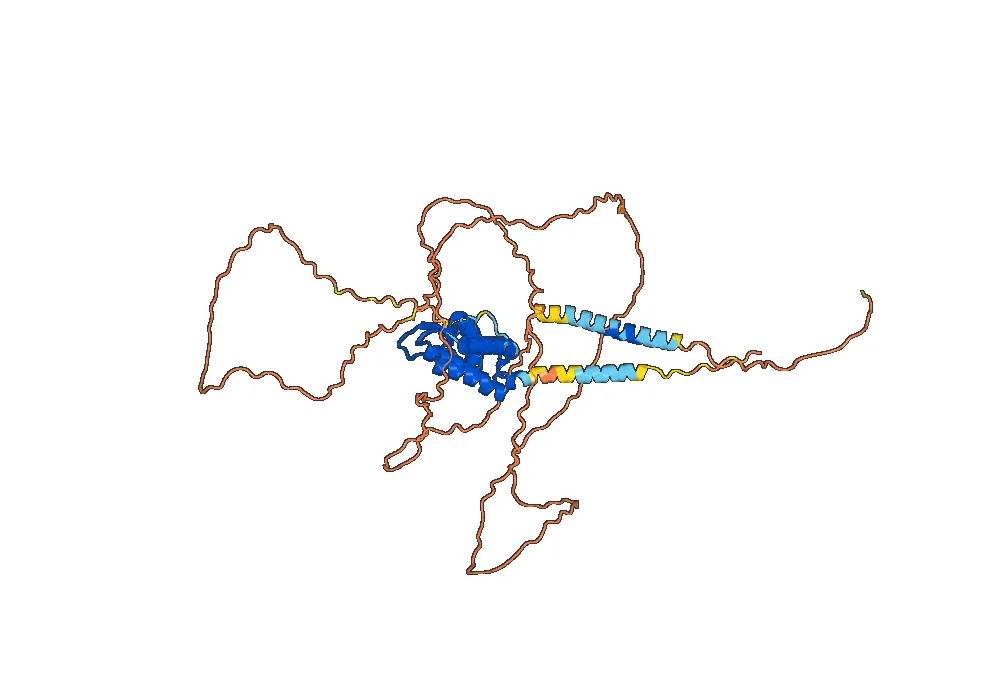
Lacnotuzumab Biosimilar, also known as Anti-CSF1, MCSF mAb, is a monoclonal antibody that specifically targets the colony stimulating factor 1 (CSF1) protein. This protein plays a critical role in regulating the growth, differentiation, and survival of macrophages, a type of white blood cell involved in immune response and tissue repair.
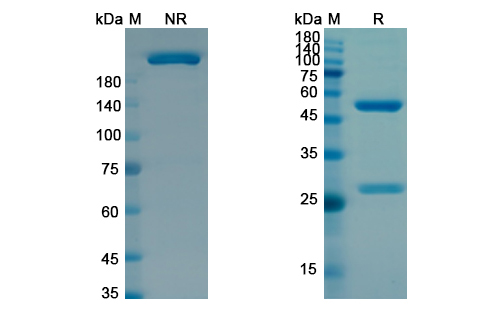
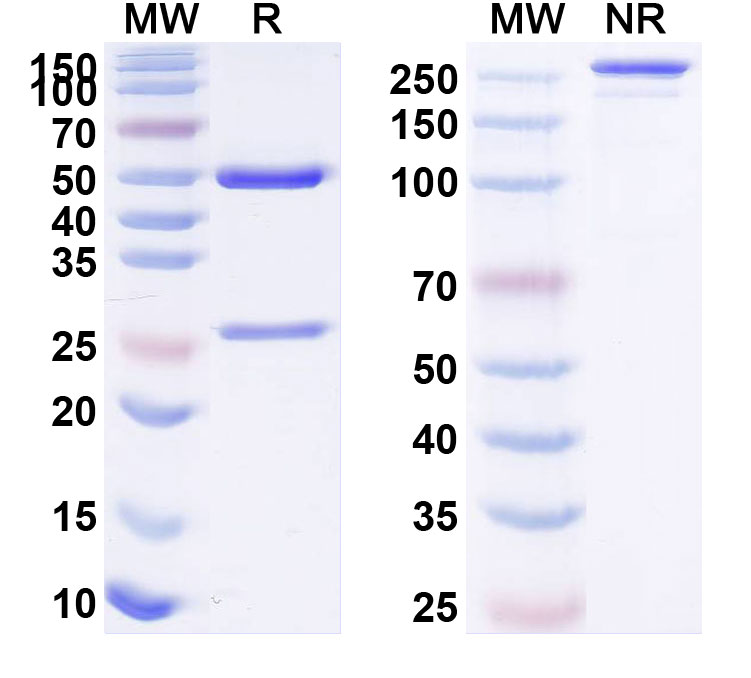
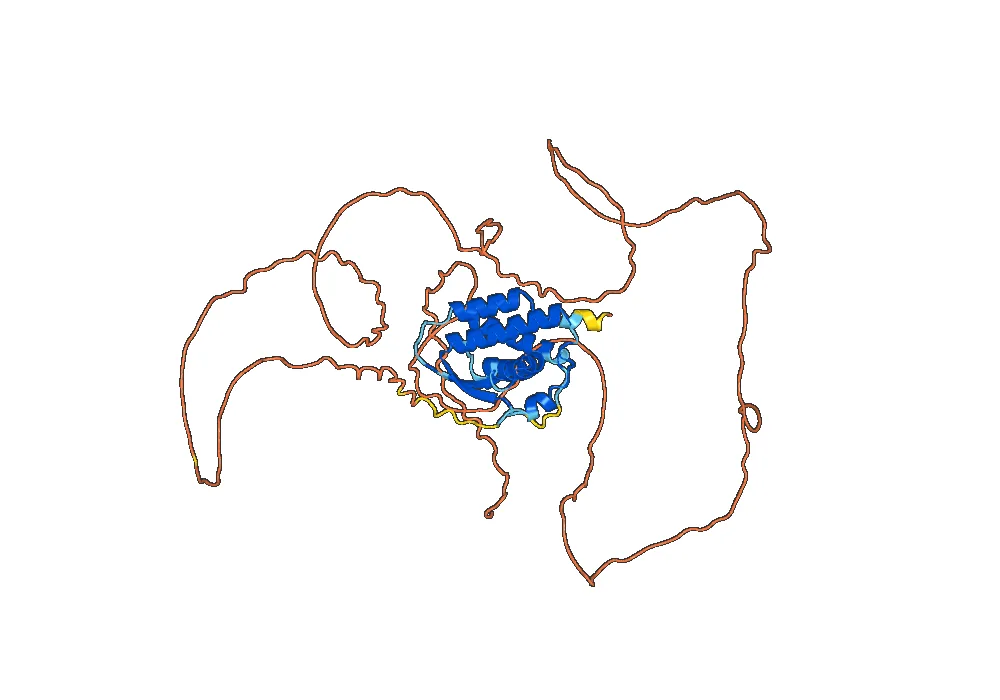
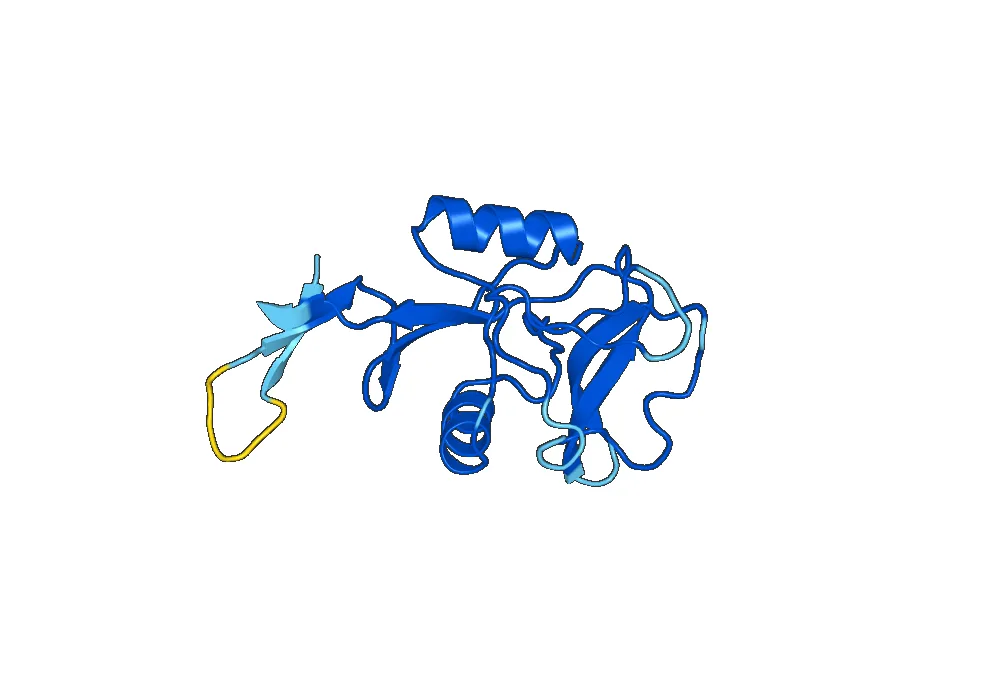
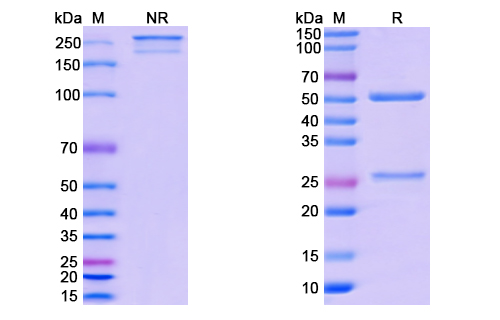
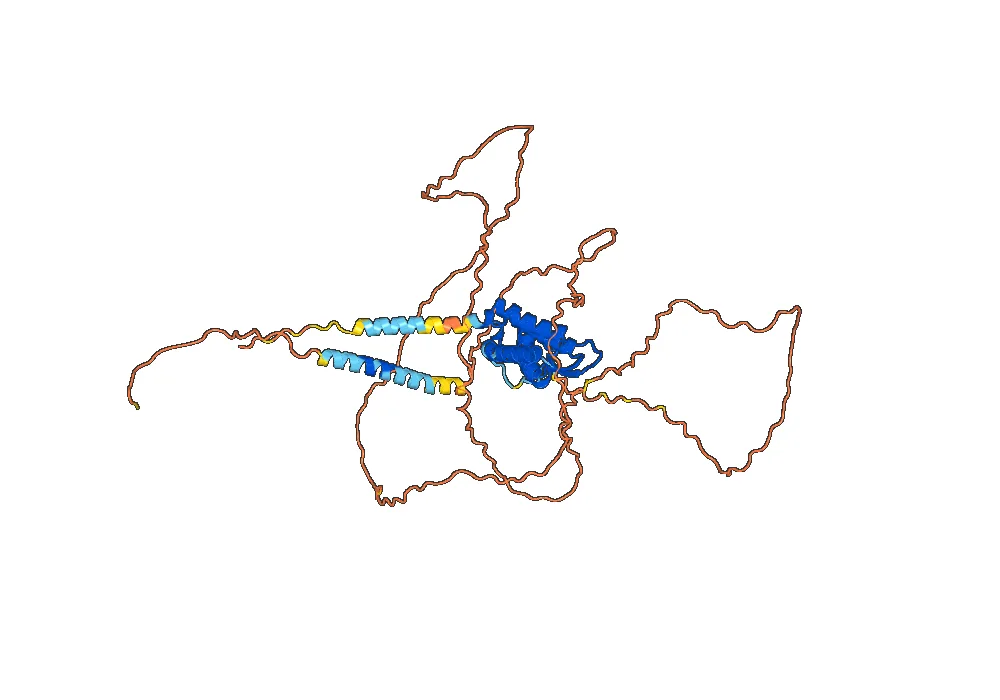
The structure of Lacnotuzumab Biosimilar is composed of two identical heavy chains and two identical light chains, each with a specific amino acid sequence. These chains are connected by disulfide bonds, forming a Y-shaped molecule with two antigen-binding sites. The heavy chains consist of four constant domains (CH1, CH2, CH3, and CH4) and one variable domain (VH), while the light chains contain two constant domains (CL) and one variable domain (VL).
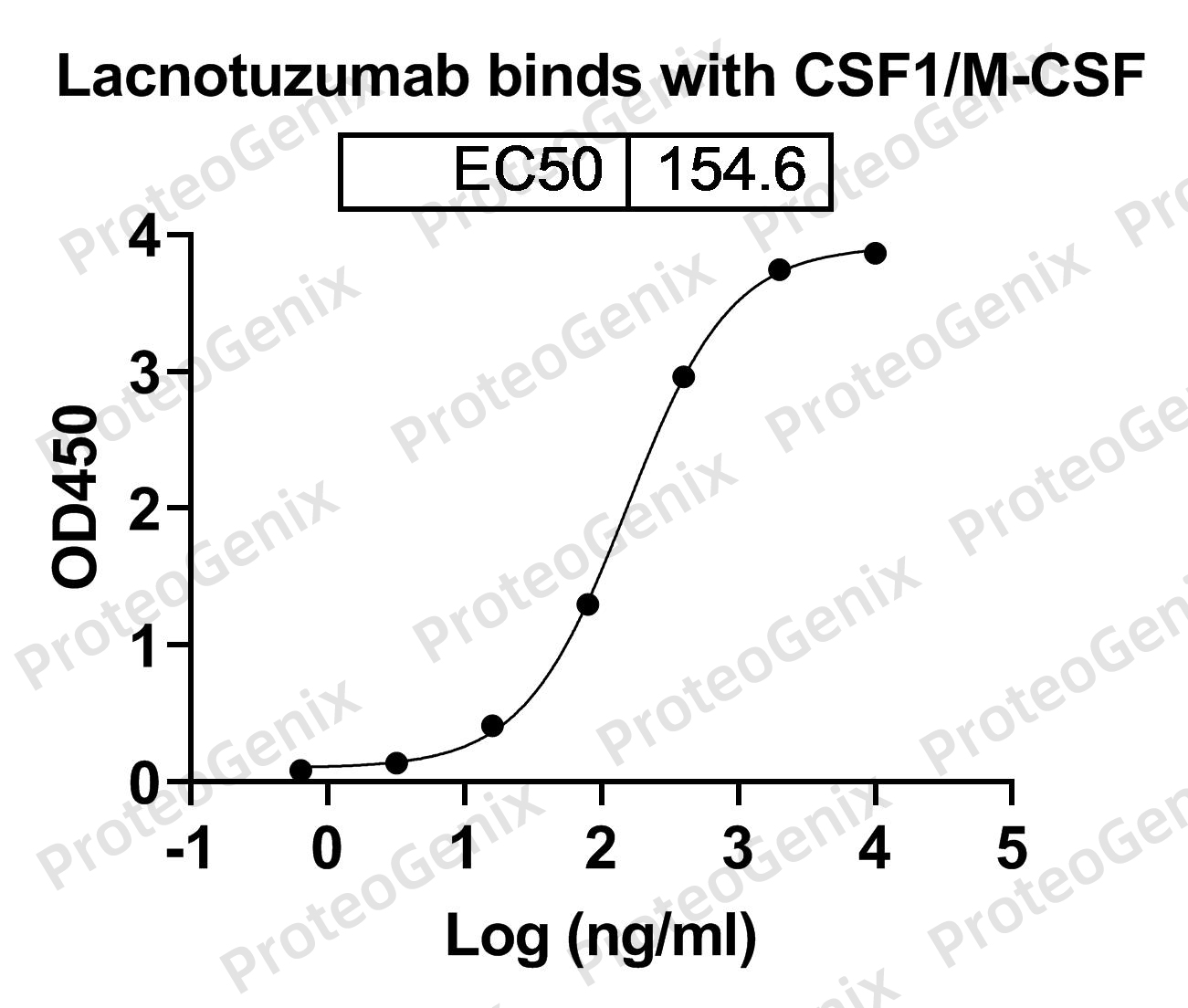
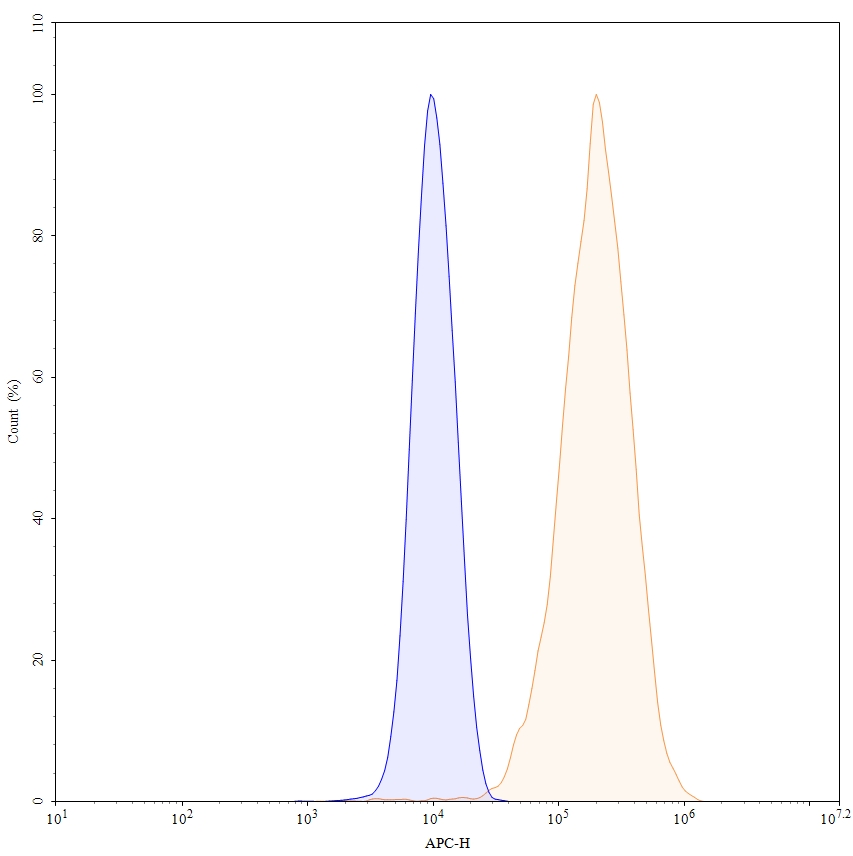
The variable domains of Lacnotuzumab Biosimilar are responsible for its high specificity and affinity for the CSF1 protein. The antigen-binding sites on the tips of the Y-shaped molecule are able to recognize and bind to specific regions on the CSF1 protein, effectively blocking its activity.
The Activity of Lacnotuzumab Biosimilar
Lacnotuzumab Biosimilar is a potent inhibitor of CSF1, as it blocks the interaction between CSF1 and its receptor on the surface of macrophages. This prevents the activation of downstream signaling pathways that are necessary for macrophage survival, proliferation, and differentiation.
By inhibiting CSF1, Lacnotuzumab Biosimilar can modulate the activity of macrophages in various physiological and pathological conditions. For example, in cancer, macrophages are known to promote tumor growth and metastasis. By targeting CSF1, Lacnotuzumab Biosimilar can disrupt the tumor-promoting activity of macrophages, potentially slowing down the progression of cancer.
Furthermore, CSF1 is also involved in the regulation of bone metabolism. By blocking its activity, Lacnotuzumab Biosimilar can potentially be used to treat diseases such as osteoporosis and rheumatoid arthritis, where excessive bone resorption by macrophages is a contributing factor.
The Application of Lacnotuzumab Biosimilar
Lacnotuzumab Biosimilar is currently being developed as a therapeutic agent for various diseases, including cancer and bone disorders. It is being studied in preclinical and clinical trials to evaluate its safety and efficacy in these conditions.
In cancer, Lacnotuzumab Biosimilar has shown promising results in preclinical studies, demonstrating its ability to inhibit tumor growth and metastasis. Clinical trials are underway to evaluate its efficacy in various types of cancer, including breast cancer, lung cancer, and melanoma.
In bone disorders, Lacnotuzumab Biosimilar has shown potential in preclinical studies to prevent bone loss and promote bone formation. Clinical trials are currently ongoing to evaluate its effectiveness in treating osteoporosis and rheumatoid arthritis.
In addition to its therapeutic potential, Lacnotuzumab Biosimilar is also being used as a research tool to study the role of CSF1 in various diseases and to develop new treatments targeting this protein.
The Future of Lacnotuzumab Biosimilar
Lacnotuzumab Biosimilar has shown promising results in preclinical and early clinical studies, and its potential as a therapeutic agent for cancer and bone disorders is being further explored. As more research is conducted, it is expected that the use of this antibody will expand to other diseases where CSF1 plays a critical role.
Furthermore, the development of Lacnotuzumab Biosimilar also highlights the importance of targeting specific proteins and pathways in disease treatment. With the advancement of biotechnology and the understanding of disease mechanisms, more targeted therapies like Lacnotuzumab Biosimilar are likely to be developed in the future, providing more effective and personalized treatment options for patients.

There are no reviews yet.