IPH4301 Biosimilar – Anti-MICA – Research Grade: A Promising Antibody for Targeting MICA IPH4301 Biosimilar – Anti-MICA – Research Grade is a novel antibody that has shown great potential in targeting MICA, a therapeutic target that has been implicated in various diseases and disorders. This biosimilar antibody is designed to mimic the structure and activity of the original IPH4301 antibody, while offering improved properties for research purposes. In this article, we will delve into the structure, activity, and potential applications of this biosimilar antibody in the field of MICA-targeted therapy.
Structure of IPH4301 Biosimilar – Anti-MICA – Research Grade
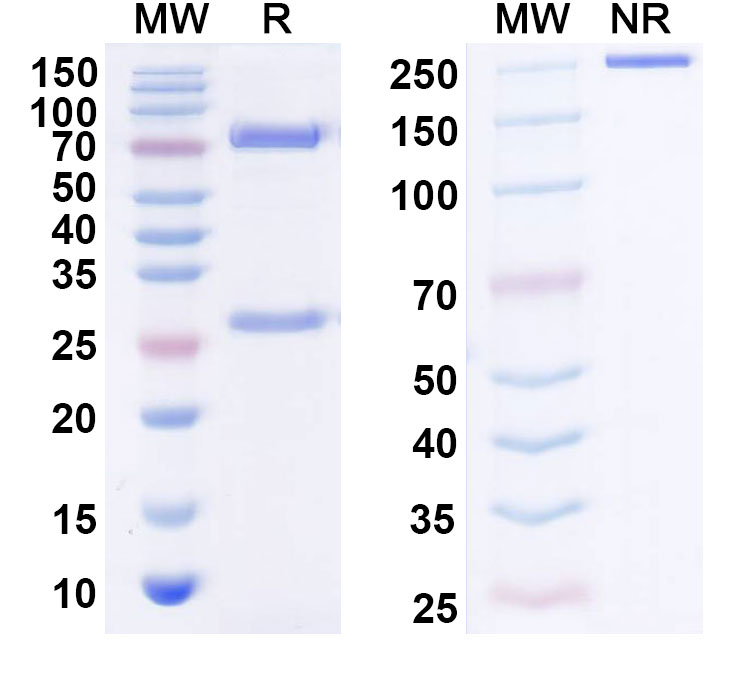
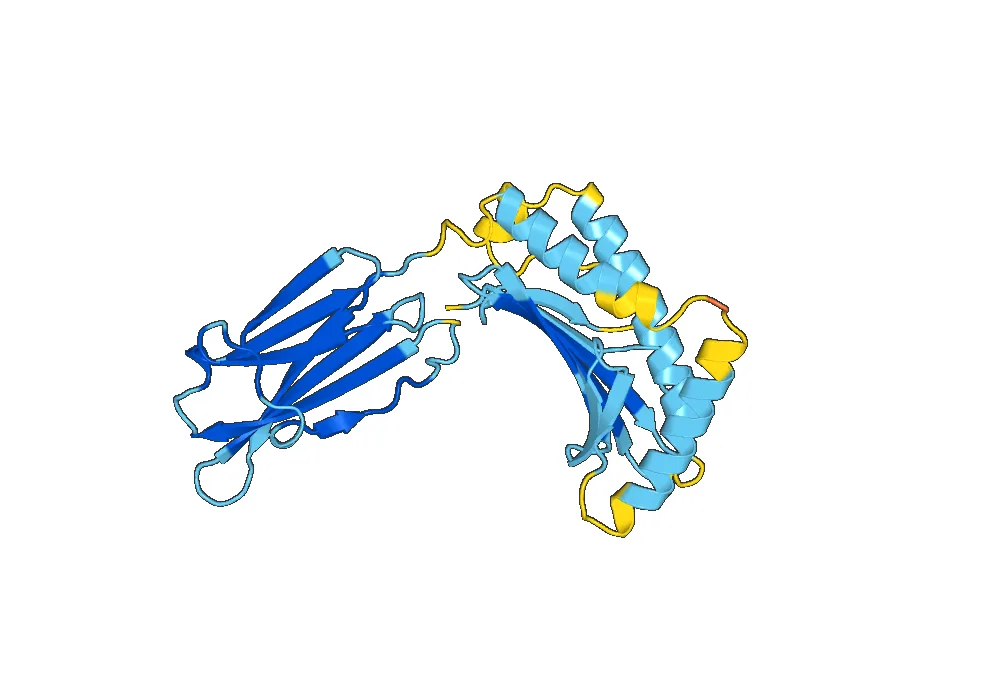
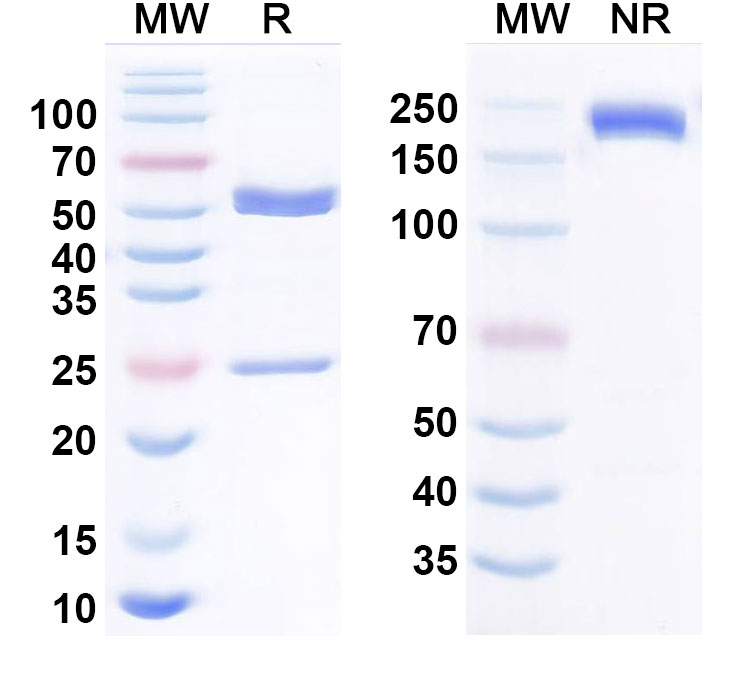
IPH4301 Biosimilar – Anti-MICA – Research Grade is a monoclonal antibody that targets the MICA protein. The antibody is composed of two heavy chains and two light chains, each containing a variable region and a constant region. The variable region is responsible for binding to the MICA protein, while the constant region is responsible for the antibody’s effector functions.
The structure of this biosimilar antibody is based on the original IPH4301 antibody, which was developed by Innate Pharma. However, the biosimilar version offers improved properties such as increased stability and higher yield during production. This makes it an ideal tool for research purposes, as it can be easily produced and stored for future use.
Activity of IPH4301 Biosimilar – Anti-MICA – Research Grade
The main activity of IPH4301 Biosimilar – Anti-MICA – Research Grade is its ability to bind to the MICA protein. MICA is a cell surface protein that is expressed in various cells, including tumor cells and infected cells. It has been shown to play a role in immune evasion and tumor progression, making it a promising therapeutic target.
By binding to MICA, this biosimilar antibody can block its interaction with the NKG2D receptor, which is found on the surface of natural killer (NK) cells and T cells. This interaction is crucial for the activation of these immune cells, and by blocking it, IPH4301 Biosimilar – Anti-MICA – Research Grade can enhance the anti-tumor immune response.
In addition to its binding activity, this biosimilar antibody also has effector functions that can contribute to its therapeutic potential. These include antibody-dependent cellular cytotoxicity (ADCC) and complement-dependent cytotoxicity (CDC), which can lead to the destruction of MICA-expressing cells.
Applications of IPH4301 Biosimilar – Anti-MICA – Research Grade
The potential applications of IPH4301 Biosimilar – Anti-MICA – Research Grade are vast, given the role of MICA in various diseases and disorders. This biosimilar antibody can be used in research studies to better understand the role of MICA in immune evasion and tumor progression. It can also be used to investigate the potential of MICA-targeted therapy in various diseases, such as cancer and viral infections.
Furthermore, IPH4301 Biosimilar – Anti-MICA – Research Grade can also be used in preclinical studies to assess its efficacy and safety in targeting MICA. This can pave the way for the development of a potential therapeutic antibody for clinical use in the future.
Conclusion
IPH4301 Biosimilar – Anti-MICA – Research Grade is a promising antibody for targeting the MICA protein, with its unique structure and activity. Its potential applications in research and preclinical studies make it a valuable tool for understanding and potentially treating diseases and disorders involving MICA. With further research and development, this biosimilar antibody may hold the key to unlocking the potential of MICA-targeted therapy.
There are no reviews yet.