Introduction
The Human IFNG/IFN-gamma HEK293T Stable Cell Line is a valuable tool for studying the structure, activity, and application of the human interferon-gamma (IFN-gamma) protein. This stable cell line is derived from the human embryonic kidney (HEK) 293T cell line, which is commonly used in biotechnology and pharmaceutical research. The addition of the IFN-gamma gene to the HEK293T cell line allows for the production of a stable cell line that can continuously express high levels of IFN-gamma, making it an ideal model for studying the function and potential therapeutic applications of this important cytokine.
Structure of IFN-gamma
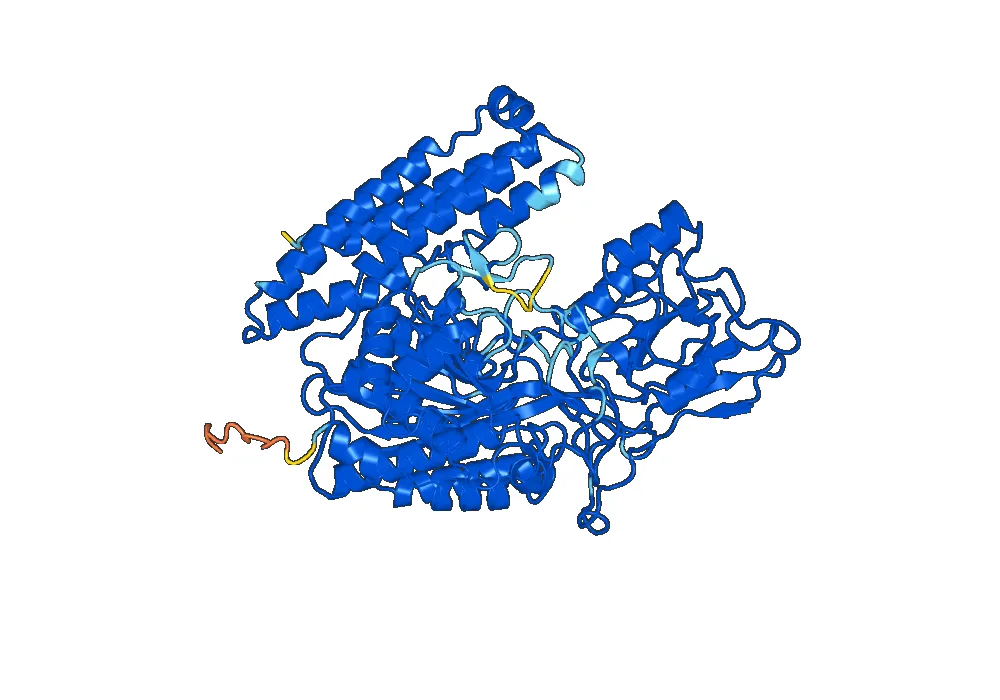
IFN-gamma is a type II interferon that is produced by activated T cells and natural killer cells in response to various stimuli, such as viral or bacterial infections. It is a small protein consisting of 143 amino acids, with a molecular weight of approximately 16 kDa. The protein is composed of two anti-parallel alpha helices connected by a loop region, and it is stabilized by four disulfide bonds. The crystal structure of IFN-gamma reveals a compact, globular structure with a hydrophobic core and several exposed hydrophilic regions. This unique structure allows IFN-gamma to interact with its receptors and initiate downstream signaling pathways.
Activity of IFN-gamma
IFN-gamma is a pleiotropic cytokine with a wide range of biological activities. It plays a critical role in the immune response by activating macrophages, enhancing antigen presentation, and increasing the production of other cytokines. IFN-gamma also has anti-viral and anti-tumor effects, making it a potential therapeutic target for various diseases. The activity of IFN-gamma is mediated through its binding to the IFN-gamma receptor (IFNGR), which is composed of two subunits, IFNGR1 and IFNGR2. This binding initiates a signaling cascade that leads to the activation of transcription factors and the expression of IFN-gamma-responsive genes.
Application of Human IFNG/IFN-gamma HEK293T Stable Cell Line
The Human IFNG/IFN-gamma HEK293T Stable Cell Line has multiple applications in research and drug discovery. One of the main uses of this cell line is to study the function of IFN-gamma and its receptors. The stable expression of IFN-gamma in these cells allows for the production of large quantities of the protein, which can be used for biochemical and functional assays. For example, flow cytometry can be used to analyze the binding of IFN-gamma to its receptors and the subsequent activation of downstream signaling pathways.
In addition, the Human IFNG/IFN-gamma HEK293T Stable Cell Line can be used as a model for studying the effects of IFN-gamma on various cell types. This cell line can be co-cultured with other cell types, such as immune cells or cancer cells, to investigate the role of IFN-gamma in different biological processes. Furthermore, this stable cell line can be used to screen for potential drugs that target the IFN-gamma signaling pathway. By testing the effects of different compounds on IFN-gamma-induced gene expression, researchers can identify potential therapeutic agents for diseases that involve dysregulation of IFN-gamma signaling.
Conclusion
In summary, the Human IFNG/IFN-gamma HEK293T Stable Cell Line is a valuable tool for studying the structure, activity, and application of IFN-gamma in research and drug discovery. Its stable expression of IFN-gamma allows for the production of large quantities of the protein, making it an ideal model for studying the function and potential therapeutic applications of this important cytokine. With the increasing interest in IFN-gamma as a therapeutic target, this stable cell line will continue to be a valuable resource for advancing our understanding of this crucial cytokine.


There are no reviews yet.