Introduction
Human CLDN18.2 CHO Stable Cell Line is a valuable tool for studying the structure and function of claudin-18.2 (CLDN18.2), a tight junction protein that plays a crucial role in maintaining the integrity of epithelial barriers. This cell line is also a promising therapeutic target for various types of cancer, making it a highly relevant and sought-after research tool.
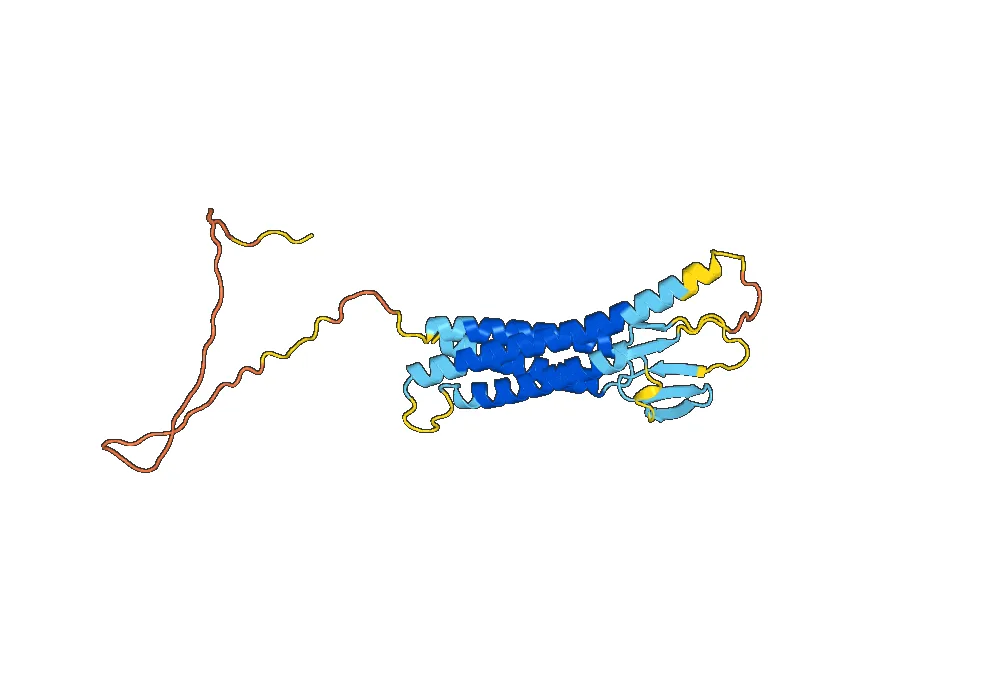
Structure of CLDN18.2
CLDN18.2 is a member of the claudin family of proteins, which are integral membrane proteins that form tight junctions between epithelial cells. These tight junctions act as a barrier, preventing the passage of molecules and ions between cells. CLDN18.2 is composed of four transmembrane domains, two extracellular loops, and two intracellular loops. It is highly expressed in the gastrointestinal tract, particularly in the stomach and colon, and is also found in the lung and pancreas.
Activity of CLDN18.2
The main function of CLDN18.2 is to regulate the permeability of tight junctions, ensuring the selective movement of molecules and ions between cells. It is also involved in maintaining the polarity of epithelial cells and plays a role in cell signaling and proliferation. Abnormal expression or function of CLDN18.2 has been linked to various diseases, including cancer.
Application in Cancer Research
CLDN18.2 has emerged as a promising therapeutic target in cancer research, particularly in gastrointestinal cancers such as gastric and pancreatic cancer. It is overexpressed in these types of cancer, and its expression has been associated with poor prognosis and resistance to chemotherapy. Therefore, targeting CLDN18.2 could potentially improve the efficacy of cancer treatment.
Flow Cytometry Analysis
The Human CLDN18.2 CHO Stable Cell Line can be used in flow cytometry analysis to study the expression of CLDN18.2 on the surface of cells. This technique involves labeling cells with fluorescent antibodies specific to CLDN18.2 and analyzing them using a flow cytometer. This allows for the identification and quantification of cells expressing CLDN18.2, providing valuable information for cancer research.
Therapeutic Target for Cancer Treatment
The overexpression of CLDN18.2 in cancer cells makes it an attractive therapeutic target. Monoclonal antibodies targeting CLDN18.2 have been developed and are currently being evaluated in clinical trials for the treatment of gastric and pancreatic cancer. These antibodies specifically bind to CLDN18.2, inhibiting its function and leading to cell death. The Human CLDN18.2 CHO Stable Cell Line can be used to test the efficacy of these antibodies and other potential therapies in vitro.
Potential for Personalized Medicine
The Human CLDN18.2 CHO Stable Cell Line can also be used in personalized medicine, as the expression of CLDN18.2 varies among individuals. This cell line can be used to screen patient samples and determine their CLDN18.2 expression levels, which can help in selecting the most effective treatment for each patient.
Conclusion
In summary, the Human CLDN18.2 CHO Stable Cell Line is a valuable tool for studying the structure and function of CLDN18.2, a tight junction protein with important roles in maintaining epithelial barriers and regulating cell signaling and proliferation. It is also a promising therapeutic target for various types of cancer, particularly in gastrointestinal cancers. This cell line can be used in flow cytometry analysis and in vitro studies to advance our understanding of CLDN18.2 and its potential as a target for cancer treatment.


There are no reviews yet.