Overview of Gremubamab Biosimilar as a Therapeutic Antibody
Gremubamab biosimilar is a research-grade therapeutic antibody developed to target key virulence determinants of Pseudomonas aeruginosa, one of the most clinically relevant opportunistic bacterial pathogens. This monoclonal antibody is designed to recognize two major surface-associated factors: PcrV, a structural component of the Type III Secretion System (T3SS), and Psl, a critical exopolysaccharide involved in biofilm formation. By simultaneously addressing acute virulence and biofilm-associated persistence, Gremubamab biosimilar represents a valuable tool for translational and preclinical research focused on anti-infective antibody strategies.
Structural Characteristics of the Anti-PcrV and Psl Monoclonal Antibody
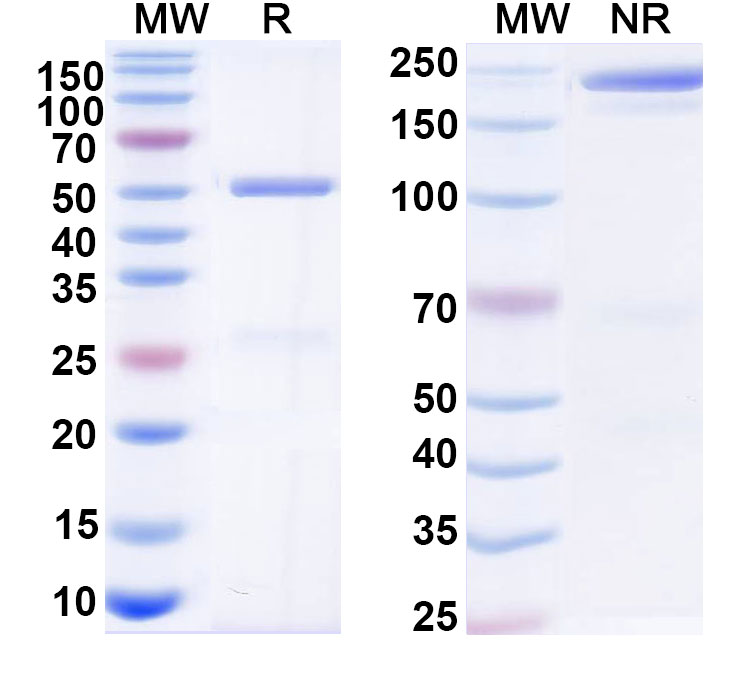
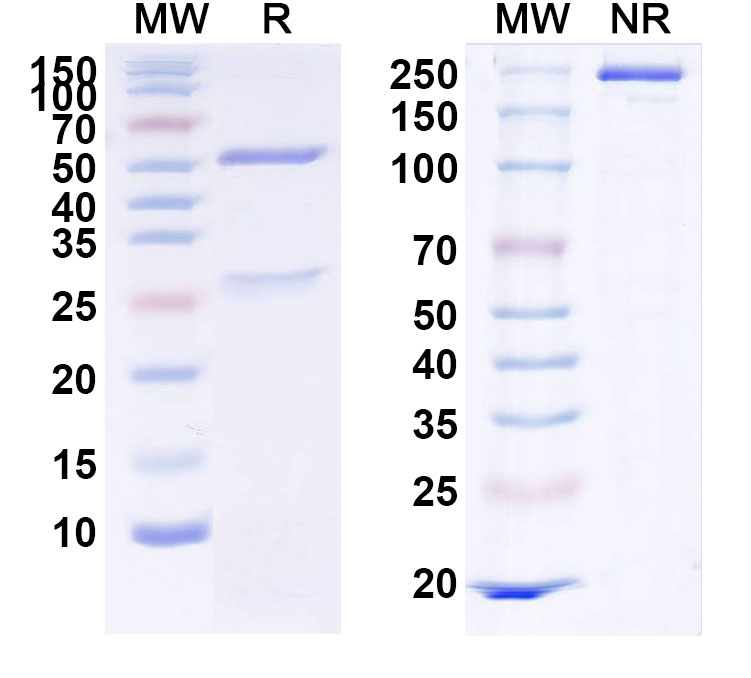
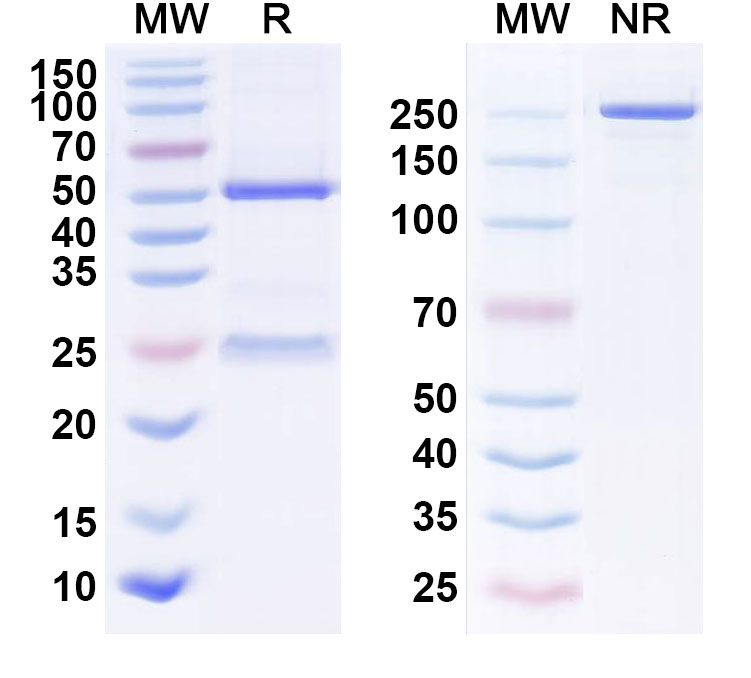
Gremubamab biosimilar is a full-length IgG monoclonal antibody produced using recombinant expression systems to ensure high batch-to-batch consistency. Structurally, it comprises two identical heavy chains and two identical light chains forming a Y-shaped immunoglobulin architecture typical of IgG antibodies. The antigen-binding fragments (Fab regions) are engineered to specifically recognize conserved epitopes on PcrV and Psl, while the Fc region retains the canonical IgG structure, enabling interaction with immune effector mechanisms in experimental models. As a research-grade biosimilar, its sequence and binding properties are designed to closely mimic those of the reference antibody, supporting reproducible comparative studies.
Biological Activity and Mechanism of Action
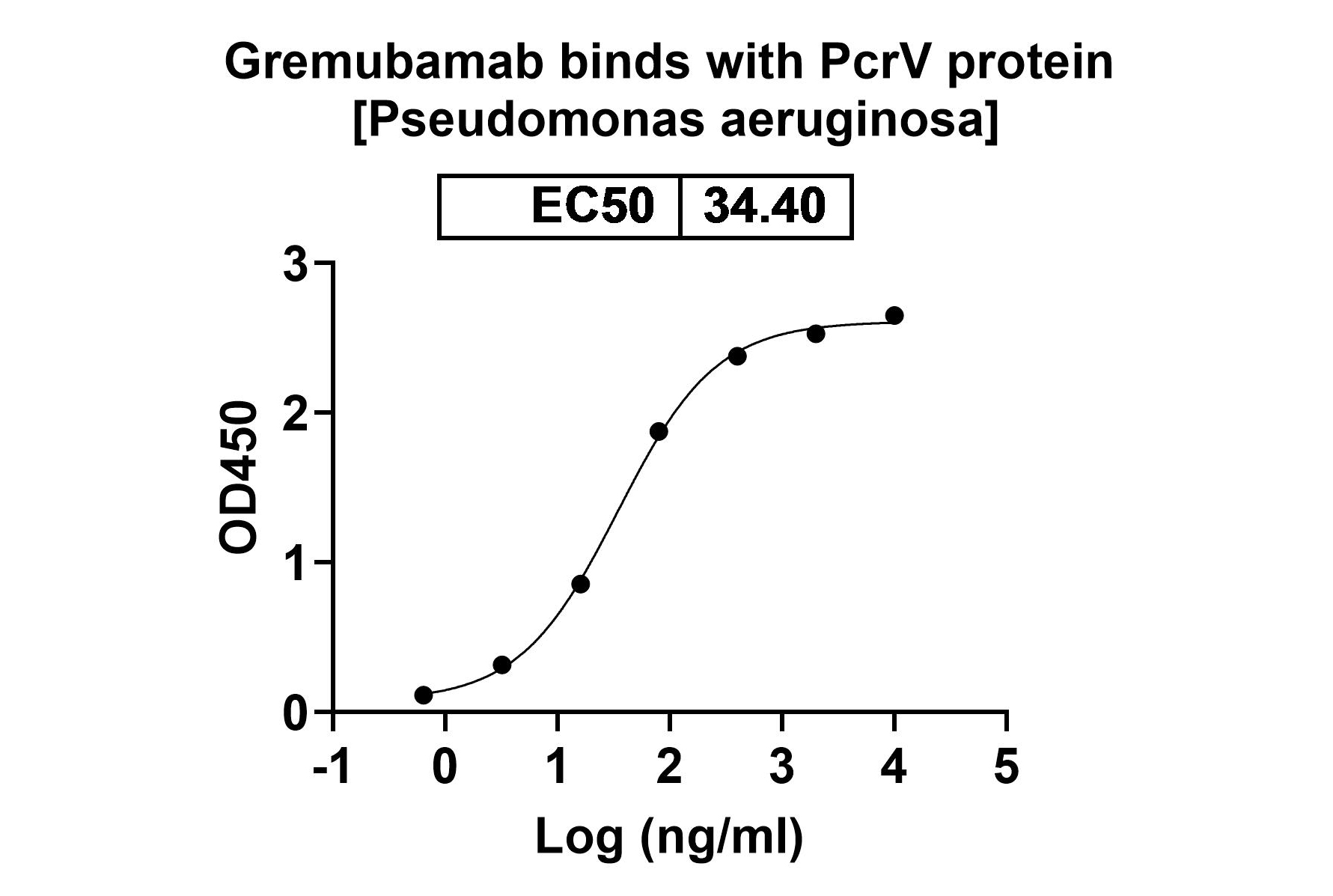
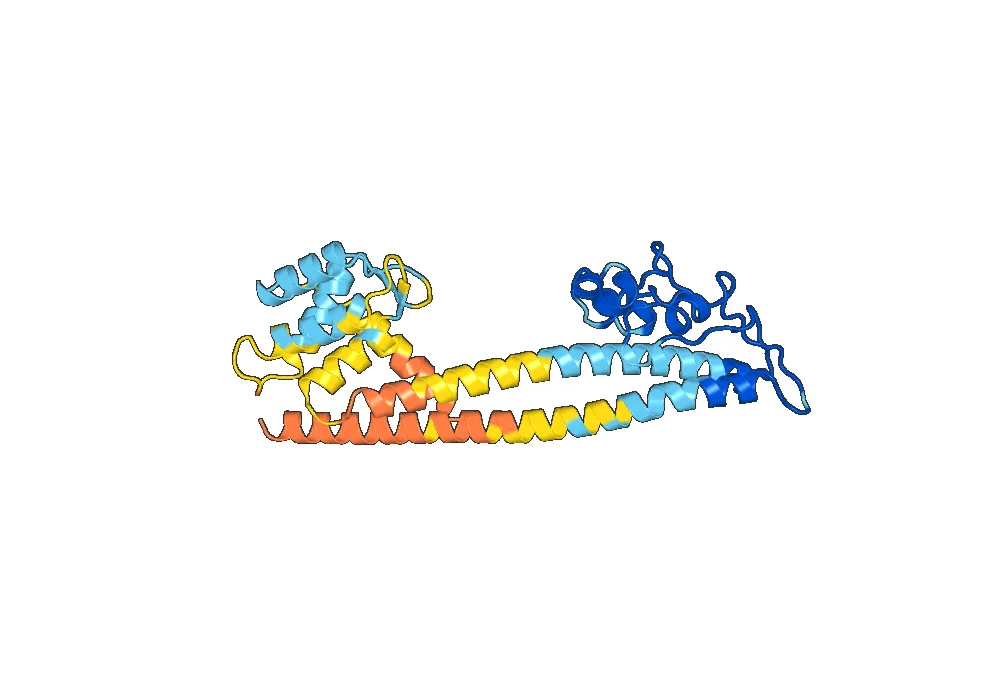
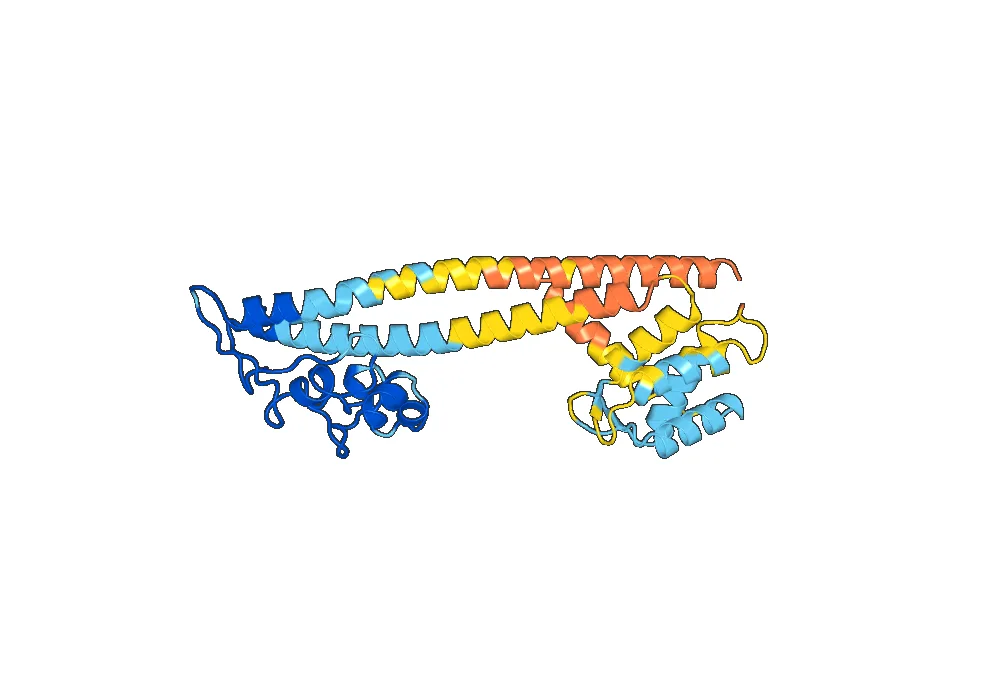
The biological activity of this therapeutic antibody lies in its dual targeting mechanism. Binding to PcrV interferes with the assembly and function of the T3SS needle tip complex, a critical structure required for the injection of cytotoxic effector proteins into host cells. This inhibition reduces bacterial cytotoxicity and attenuates acute virulence. In parallel, recognition of Psl exopolysaccharide disrupts biofilm-associated processes by impairing bacterial adhesion, aggregation, and surface persistence. Together, these activities allow researchers to study how antibody-mediated neutralization can modulate both planktonic and biofilm-associated phenotypes of P. aeruginosa.
Applications in Research and Preclinical Studies
Gremubamab biosimilar is widely used as a research-grade reagent in microbiology, immunology, and infectious disease research. Typical applications include in vitro neutralization assays, biofilm inhibition studies, flow cytometry (FACS) detection of Psl expression, and mechanistic investigations of T3SS regulation. It is also employed in animal infection models to explore antibody-based intervention strategies and to evaluate synergistic effects with antibiotics. As a biosimilar, it is particularly valuable for comparative studies aimed at understanding structure–function relationships and benchmarking novel anti-Pseudomonas antibodies.
Relevance for Therapeutic Antibody Development
Beyond its immediate research applications, Gremubamab biosimilar provides important insights into the development of next-generation therapeutic antibodies against bacterial pathogens. By targeting virulence rather than bacterial viability, this antibody supports alternative anti-infective strategies that may reduce selective pressure for antibiotic resistance. Its dual specificity toward PcrV and Psl also highlights the potential of multi-target antibody approaches to address complex infection dynamics involving both acute and chronic disease states.
Conclusion
In summary, Gremubamab biosimilar is a structurally well-defined, biologically active anti-PcrV and Psl monoclonal antibody that serves as a powerful research-grade therapeutic antibody model. Its dual mechanism of action and broad applicability make it a valuable asset for advancing fundamental research and supporting the development of innovative antibody-based anti-infective therapies.

There are no reviews yet.