Introduction
Dalutrafusp biosimilar, also known as anti-TGFBR2 mAb, is a novel monoclonal antibody that has shown promising results in the treatment of various cancers. This biosimilar is designed to target the transforming growth factor beta receptor 2 (TGFBR2), a key protein involved in cancer progression and immune evasion. In this article, we will delve into the structure, activity, and potential applications of Dalutrafusp biosimilar as a therapeutic antibody.
Structure of Dalutrafusp Biosimilar
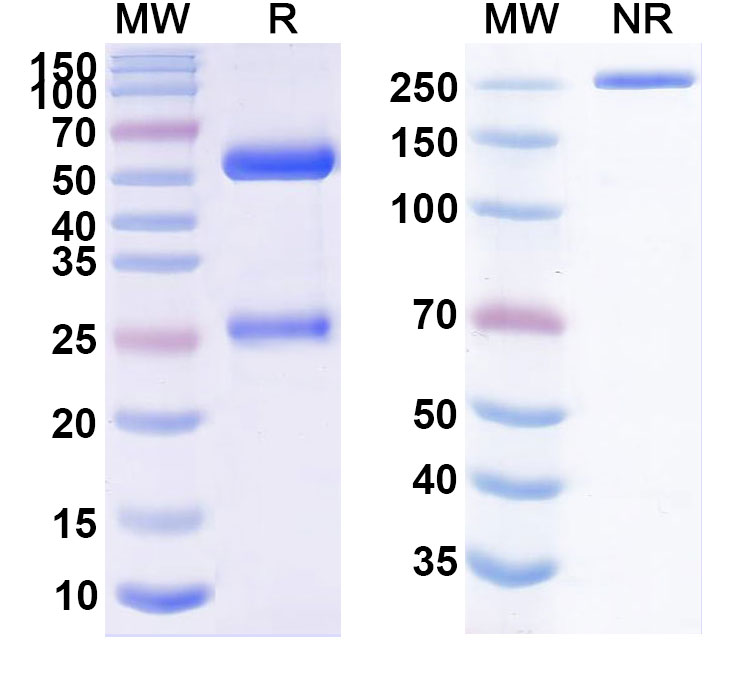
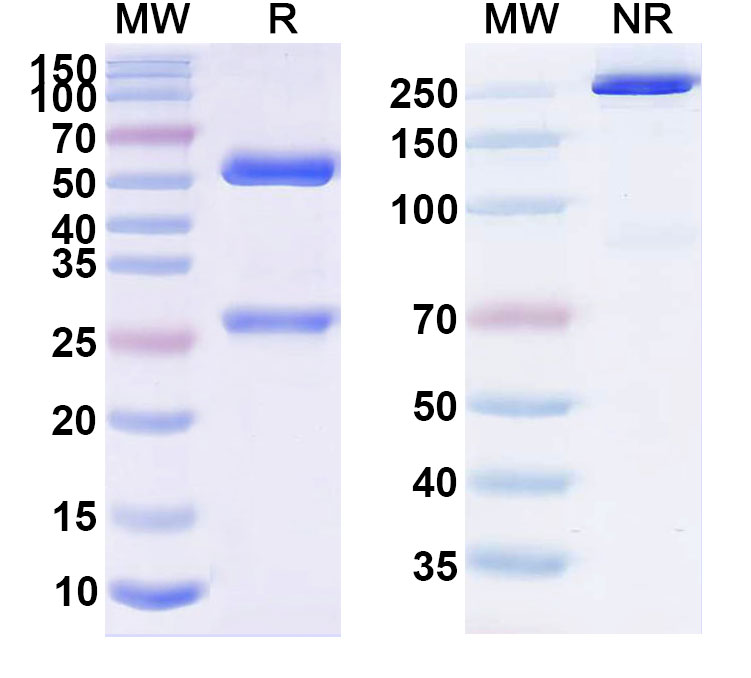
Dalutrafusp biosimilar is a recombinant humanized monoclonal antibody that is composed of two heavy chains and two light chains. The heavy chains are made up of four constant domains (CH1, CH2, CH3, and CH4) and one variable domain (VH), while the light chains consist of one constant domain (CL) and one variable domain (VL). The variable domains of the heavy and light chains together form the antigen-binding site, which specifically recognizes and binds to TGFBR2.
Mechanism of Action TGFBR2 is a transmembrane receptor that is overexpressed in many
cancer cells. It plays a crucial role in promoting tumor growth, metastasis, and immune suppression. Dalutrafusp biosimilar works by binding to the extracellular domain of TGFBR2, thereby blocking its interaction with its ligands, TGF-β1 and TGF-β3. This prevents the downstream signaling cascade that leads to tumor progression and immune evasion. Additionally, Dalutrafusp biosimilar also induces antibody-dependent cell-mediated cytotoxicity (ADCC) and complement-dependent cytotoxicity (CDC), further enhancing its anti-tumor activity.
Potential Applications of Dalutrafusp Biosimilar
Dalutrafusp biosimilar has shown promising results in preclinical studies and is currently being evaluated in clinical trials for the treatment of various cancers, including solid tumors and hematological malignancies. Some of the potential applications of this biosimilar are:
1. Treatment of Solid Tumors TGFBR2 is known to play a crucial role in the progression of solid tumors, such as breast, lung, and pancreatic cancers. By targeting TGFBR2, Dalutrafusp biosimilar has the potential to inhibit tumor growth and metastasis. Additionally, its ability to induce ADCC and CDC can also help in eliminating cancer cells.
2. Combination Therapy with Immune Checkpoint Inhibitors
Immune checkpoint inhibitors (ICIs) have revolutionized
cancer treatment by enhancing the immune response against cancer cells. However, many tumors develop resistance to ICIs by upregulating TGFBR2. Dalutrafusp biosimilar can be used in combination with ICIs to overcome this resistance and improve the efficacy of treatment.
3. Treatment of Hematological Malignancies TGFBR2 is also expressed in various types of blood cancers, such as leukemia, lymphoma, and multiple myeloma. By targeting TGFBR2, Dalutrafusp biosimilar has the potential to induce cell death in these cancer cells and improve patient outcomes.
Conclusion
In conclusion, Dalutrafusp biosimilar is a promising therapeutic antibody that specifically targets TGFBR2, a key protein involved in cancer progression and immune evasion. Its unique mechanism of action and potential applications in various types of cancers make it a promising candidate for cancer treatment. Further clinical studies are needed to fully understand the efficacy and safety of this biosimilar, but it holds great potential in improving the lives of cancer patients.
There are no reviews yet.