The Structure and Function of Burfiralimab Biosimilar: A Novel Anti-VIM mAb Burfiralimab Biosimilar, also known as Anti-VIM mAb, is a novel monoclonal antibody (mAb) that has been developed as a biosimilar to the original Burfiralimab. This biosimilar is designed to target and inhibit Vimentin (VIM), a protein that is overexpressed in various types of cancer and is associated with tumor growth, metastasis, and resistance to therapy. In this article, we will discuss the structure, activity, and potential applications of Burfiralimab Biosimilar as a research-grade therapeutic agent.
Structure of Burfiralimab Biosimilar
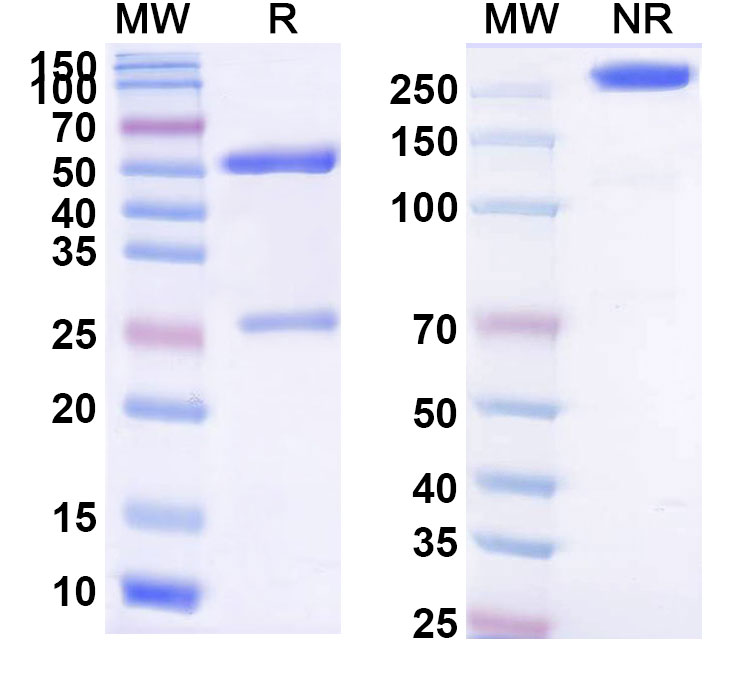
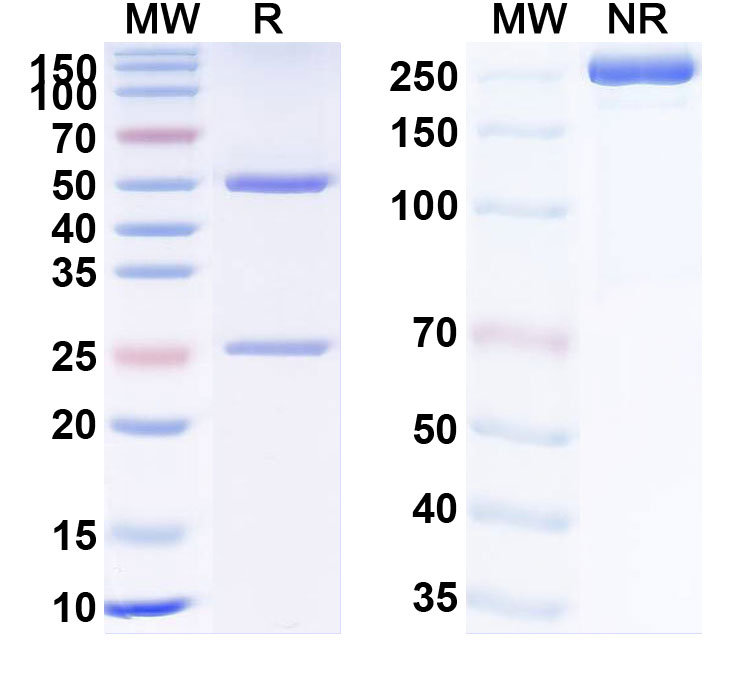
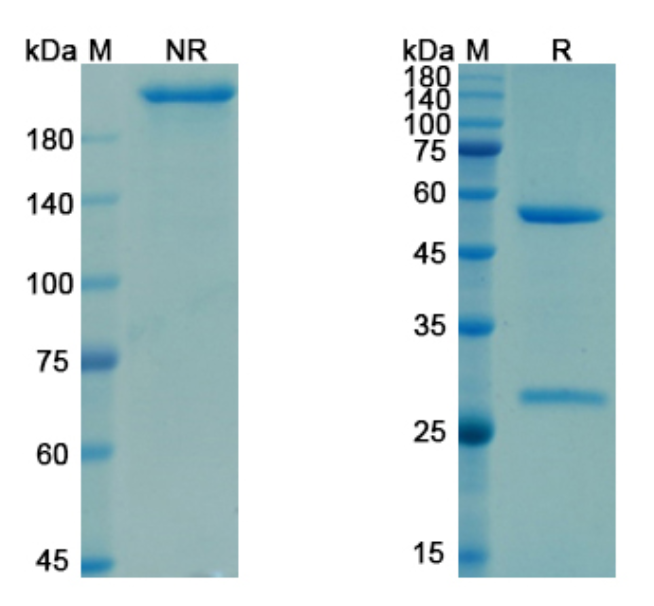
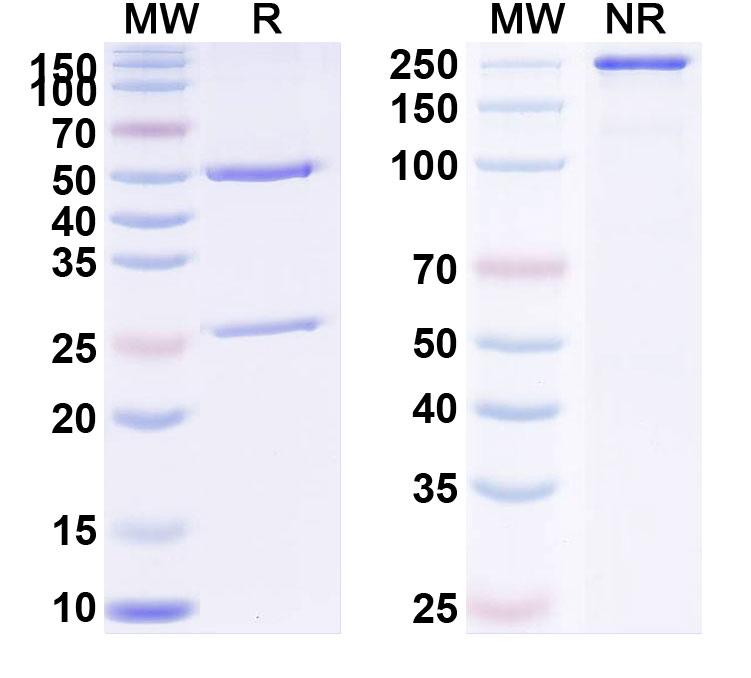
Burfiralimab Biosimilar is a recombinant humanized IgG1 monoclonal antibody that is produced using Chinese hamster ovary (CHO) cells. It is composed of two heavy chains and two light chains, with a molecular weight of approximately 150 kDa. The antibody is designed to specifically bind to the extracellular domain of VIM, thereby blocking its function and inhibiting its downstream signaling pathways.
The variable regions of the heavy and light chains of Burfiralimab Biosimilar are derived from the original Burfiralimab, while the constant regions are humanized to reduce the potential for immunogenicity. This ensures that the biosimilar has a similar structure and binding affinity to the original antibody, while also minimizing the risk of adverse immune reactions.
Activity of Burfiralimab Biosimilar
The main activity of Burfiralimab Biosimilar is to inhibit the function of VIM, which is a key therapeutic target in various types of cancer. VIM is a cytoskeletal protein that is involved in maintaining the shape and motility of cells. However, in cancer cells, VIM is overexpressed and contributes to tumor growth, invasion, and metastasis. It also plays a role in promoting resistance to chemotherapy and radiation therapy.
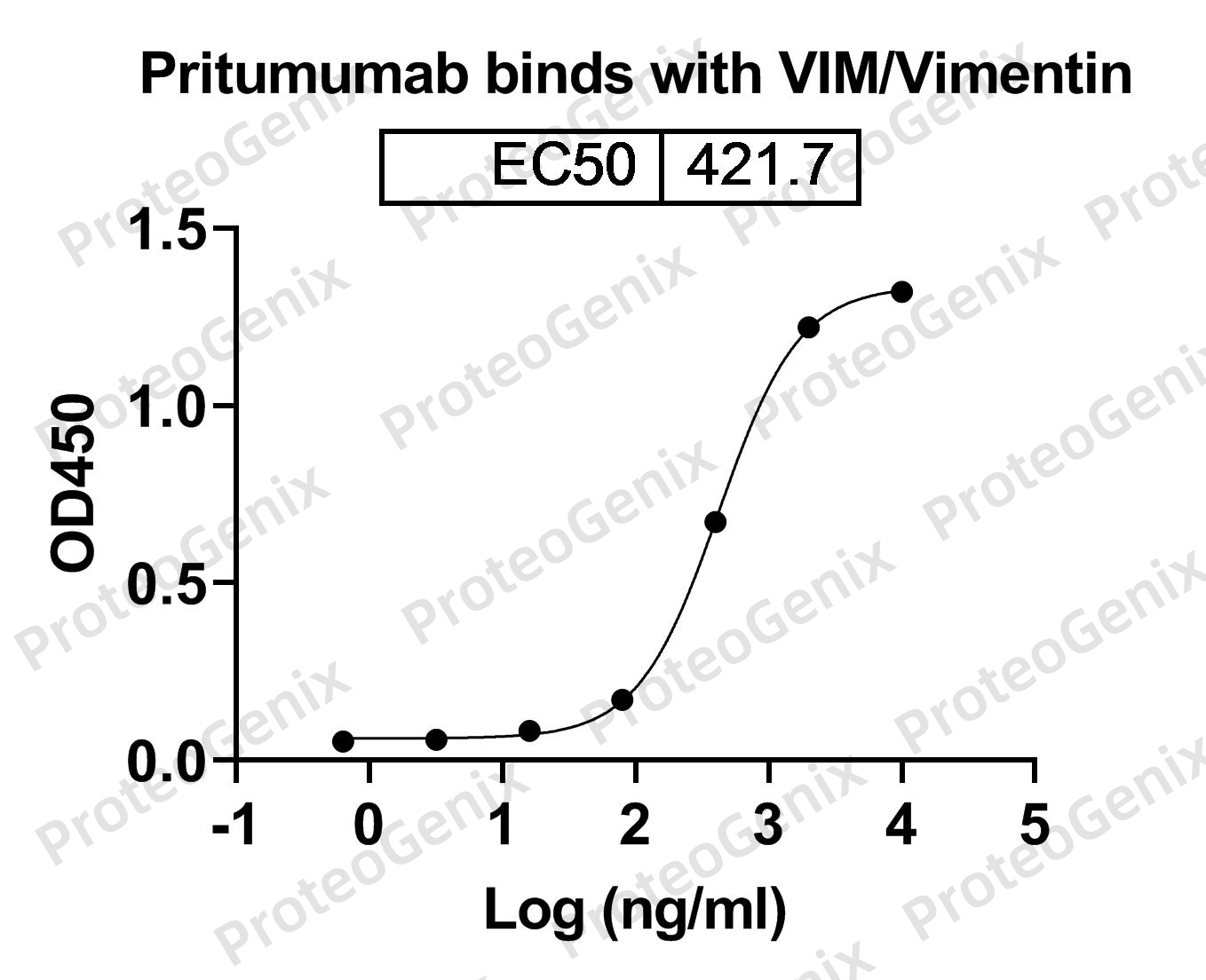
Burfiralimab Biosimilar binds to VIM with high specificity and affinity, preventing its interaction with other proteins and disrupting its function. This leads to a decrease in tumor growth and metastasis, as well as increased sensitivity to other cancer therapies. Additionally, by targeting VIM, Burfiralimab Biosimilar may also have a direct effect on cancer stem cells, which are thought to be responsible for tumor recurrence and treatment resistance.
Potential Applications of Burfiralimab Biosimilar
Burfiralimab Biosimilar is currently being developed as a research-grade therapeutic agent, with the potential to be used in the treatment of various types of cancer. It is being evaluated in preclinical studies and early-phase clinical trials to assess its safety, efficacy, and potential as a standalone therapy or in combination with other treatments.
Some of the potential applications of Burfiralimab Biosimilar include its use in the treatment of solid tumors such as breast, lung, and colorectal cancer, as well as hematologic malignancies such as leukemia and lymphoma. It may also have potential in the treatment of other diseases where VIM is overexpressed, such as fibrosis and cardiovascular diseases.
In addition to its therapeutic potential, Burfiralimab Biosimilar may also have diagnostic and prognostic applications. The overexpression of VIM has been linked to poor prognosis and resistance to therapy in various cancers, and the use of Burfiralimab Biosimilar may help identify patients who are likely to benefit from VIM-targeted therapy.
Conclusion
In summary, Burfiralimab Biosimilar is a novel anti-VIM monoclonal antibody that has the potential to be a valuable addition to the arsenal of cancer therapeutics. Its unique structure and high specificity for VIM make it a promising research-grade agent for the treatment of various types of cancer. Further studies and clinical trials are needed to fully assess its

There are no reviews yet.