Budigalimab Biosimilar: A Revolutionary Antibody Targeting PD-1 and CD279
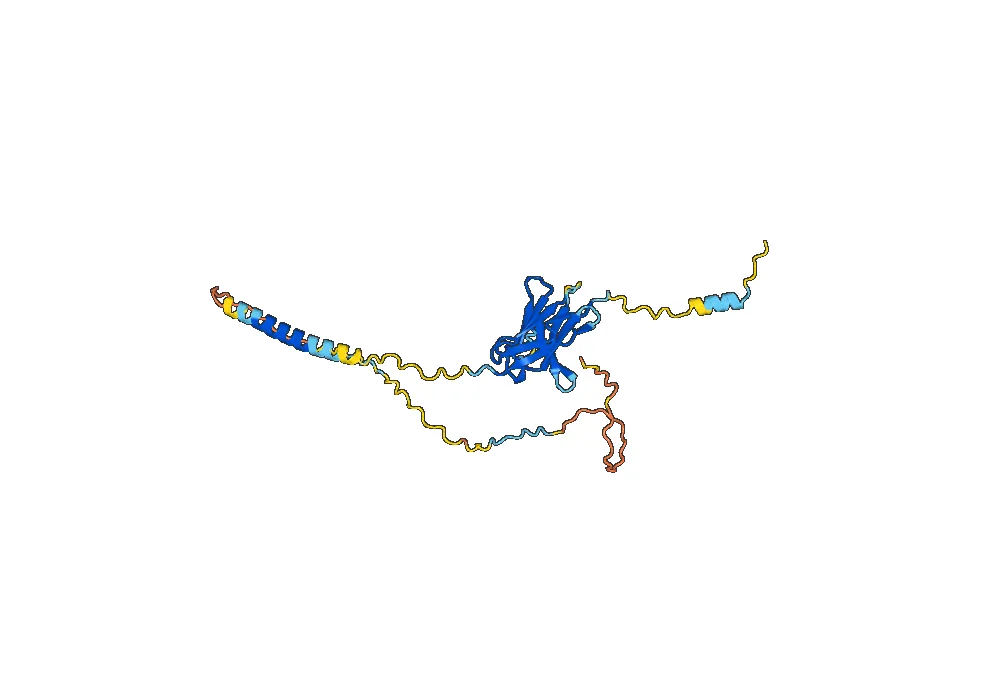
Budigalimab Biosimilar, also known as Anti-PDCD1, PD1, CD279 mAb, is a research grade antibody that has gained significant attention in the scientific community for its potential as a therapeutic agent. This biosimilar is a monoclonal antibody that specifically targets the programmed cell death protein 1 (PD-1) and cluster of differentiation 279 (CD279) proteins, which are crucial immune checkpoints involved in regulating the immune response. In this article, we will explore the structure, activity, and potential applications of Budigalimab Biosimilar in the field of immunotherapy.
Structure of Budigalimab Biosimilar
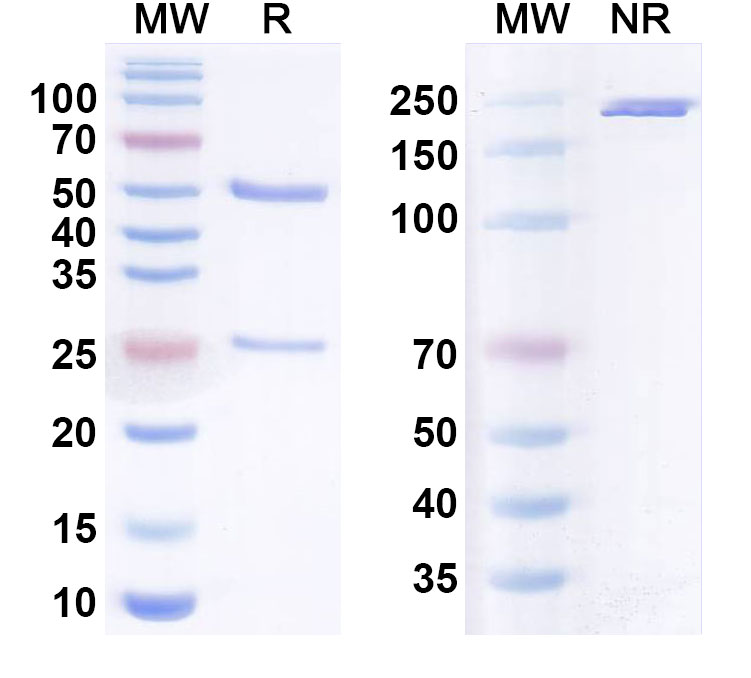
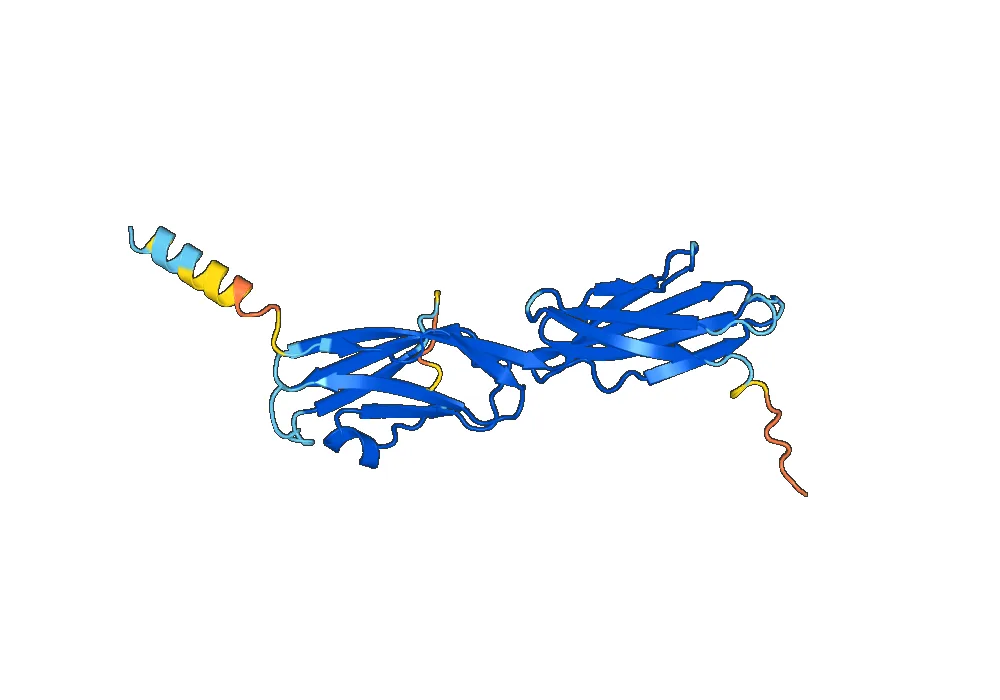
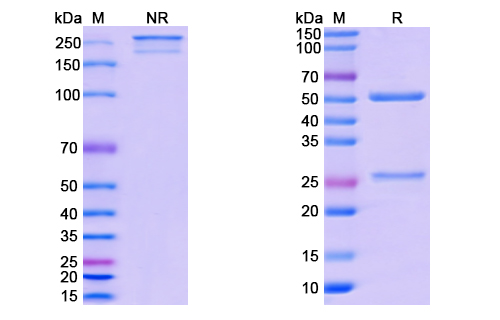
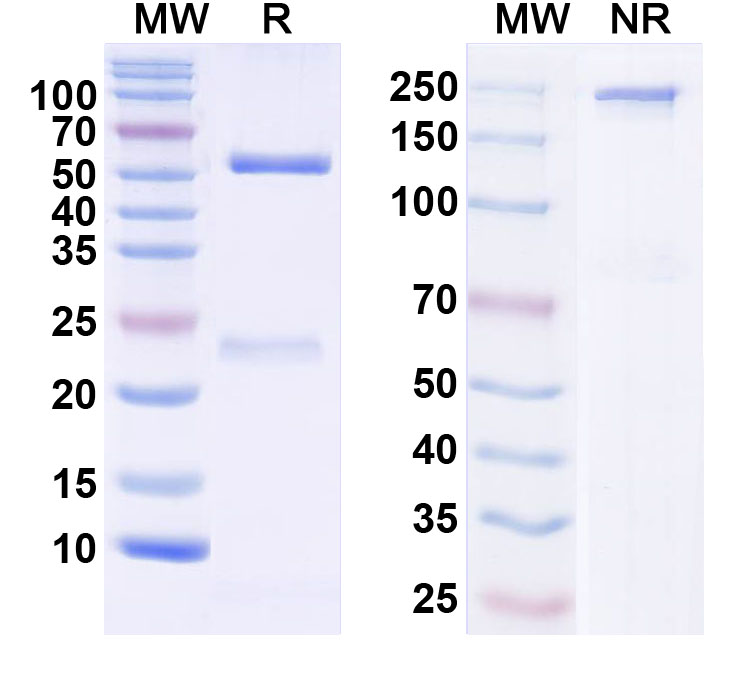
Budigalimab Biosimilar is a fully humanized monoclonal antibody, which means it is produced using human genes and has a high binding affinity to its target proteins. It is a type IgG4 antibody, which is the most abundant antibody isotype in the human body and is known for its low immunogenicity. The antibody has a molecular weight of approximately 150 kDa and consists of two heavy chains and two light chains, connected by disulfide bonds. The variable regions of the antibody are responsible for binding to PD-1 and CD279, while the constant regions determine its effector functions.
Activity of Budigalimab Biosimilar
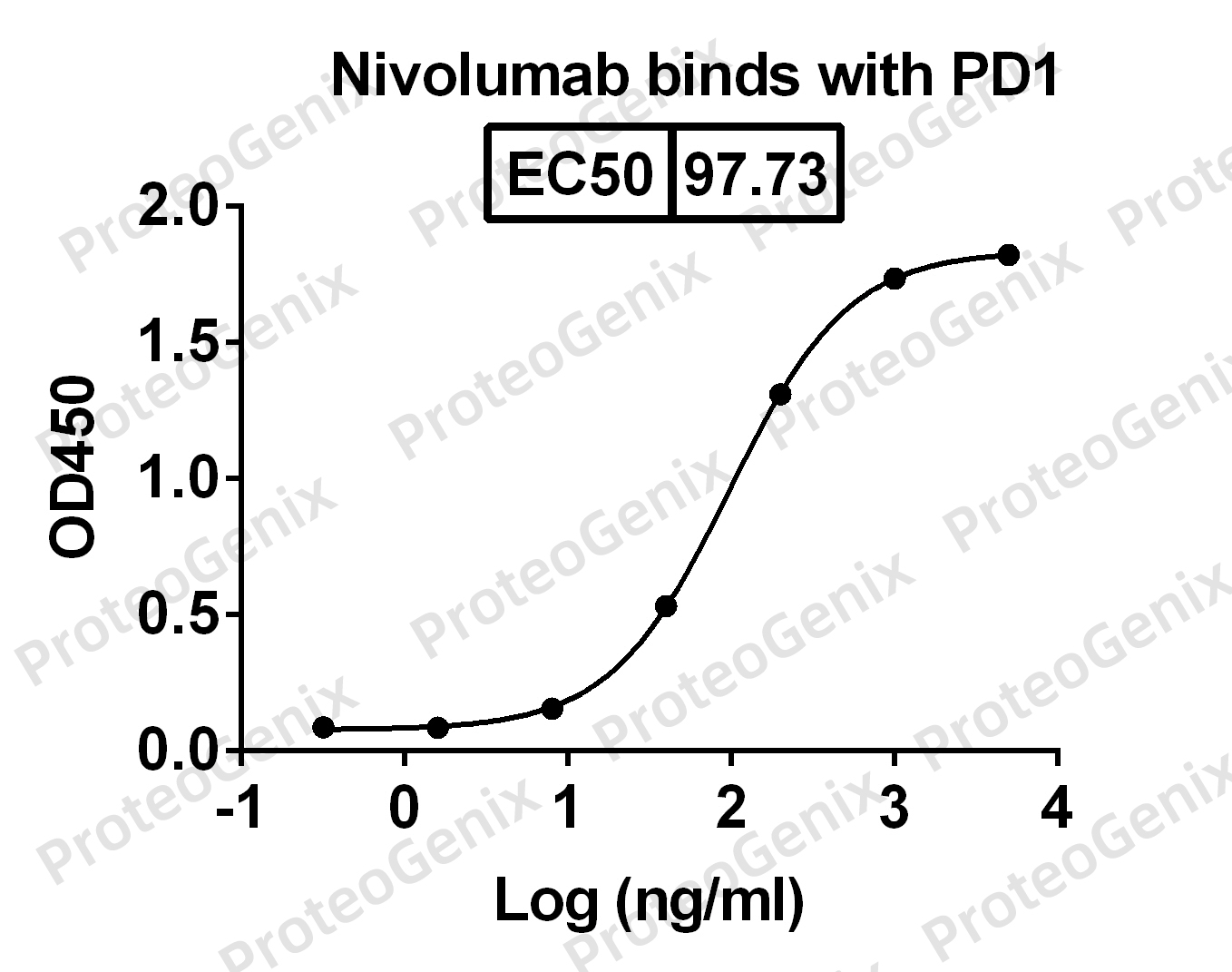
Budigalimab Biosimilar works by blocking the interaction between PD-1 and its ligands, PD-L1 and PD-L2, and between CD279 and its ligands, CD80 and CD86. This interaction is crucial for maintaining immune tolerance and preventing excessive immune activation. However, in cancer and other diseases, this interaction can be hijacked by tumor cells to evade immune surveillance. By blocking these interactions, Budigalimab Biosimilar restores the activity of immune cells, such as T cells, and allows them to attack cancer cells or infected cells. Additionally, the antibody also has the ability to enhance the immune response by activating other immune cells, such as natural killer cells and macrophages, through its Fc region.
Potential Applications of Budigalimab Biosimilar
The potential applications of Budigalimab Biosimilar are vast and varied, owing to its ability to target two important immune checkpoints. The most promising application is in the field of cancer immunotherapy. By blocking the PD-1/PD-L1 pathway, Budigalimab Biosimilar has shown promising results in clinical trials for various types of cancer, including melanoma, lung cancer, and bladder cancer. The antibody has also shown potential in combination with other cancer treatments, such as chemotherapy and radiation therapy, to enhance their effectiveness.
In addition to cancer, Budigalimab Biosimilar also has potential in treating autoimmune diseases, such as rheumatoid arthritis and multiple sclerosis. By blocking the PD-1/CD80-86 pathway, the antibody can prevent the overactivation of immune cells that contribute to these diseases. Furthermore, the antibody has shown promise in treating viral infections, such as HIV and hepatitis B, by enhancing the immune response against the virus.
Conclusion
Budigalimab Biosimilar is a revolutionary antibody that has the potential to significantly impact the field of immunotherapy. Its unique ability to target two important immune checkpoints, PD-1 and CD279, makes it a promising candidate for the treatment of various diseases, including cancer, autoimmune diseases, and viral infections. With ongoing research and clinical trials, Budigalimab Biosimilar has the potential to become a game-changing therapeutic agent in the near future.

There are no reviews yet.