Introduction
Axatilimab is a biosimilar antibody that targets the colony-stimulating factor 1 receptor (CSF1R) or CD115. It is a monoclonal antibody (mAb) that is currently in the research grade stage, with potential therapeutic applications in various diseases. In this article, we will discuss the structure, activity, and potential applications of Axatilimab as an anti-CSF1R antibody.
Structure of Axatilimab
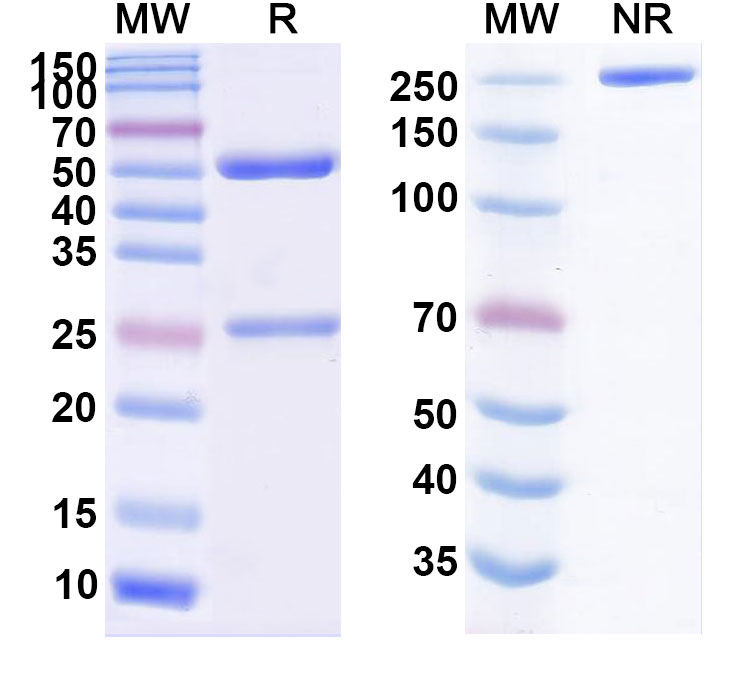
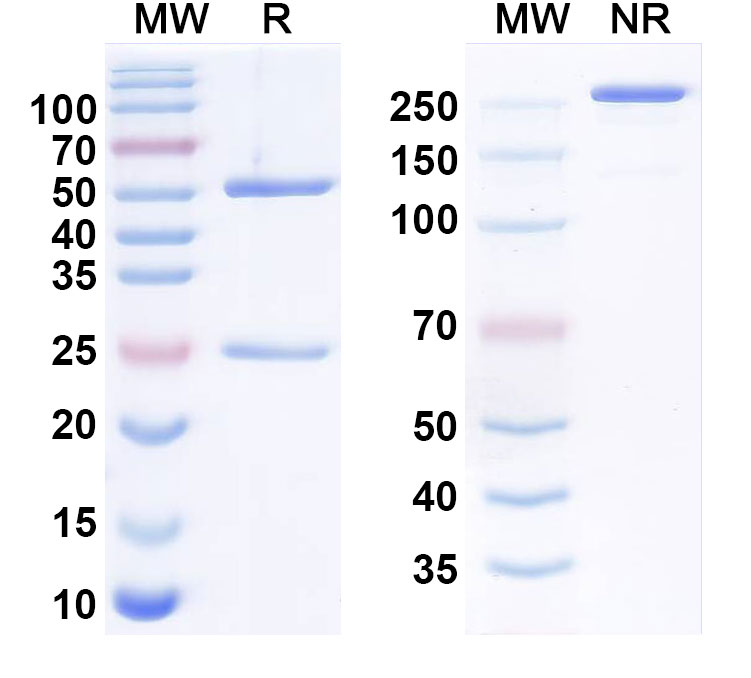
Axatilimab is a humanized IgG1 monoclonal antibody with a molecular weight of approximately 150 kDa. It is composed of two heavy chains and two light chains, each containing a variable region and a constant region. The variable region is responsible for binding to the CSF1R, while the constant region is involved in effector functions such as complement activation and antibody-dependent cell-mediated cytotoxicity (ADCC).
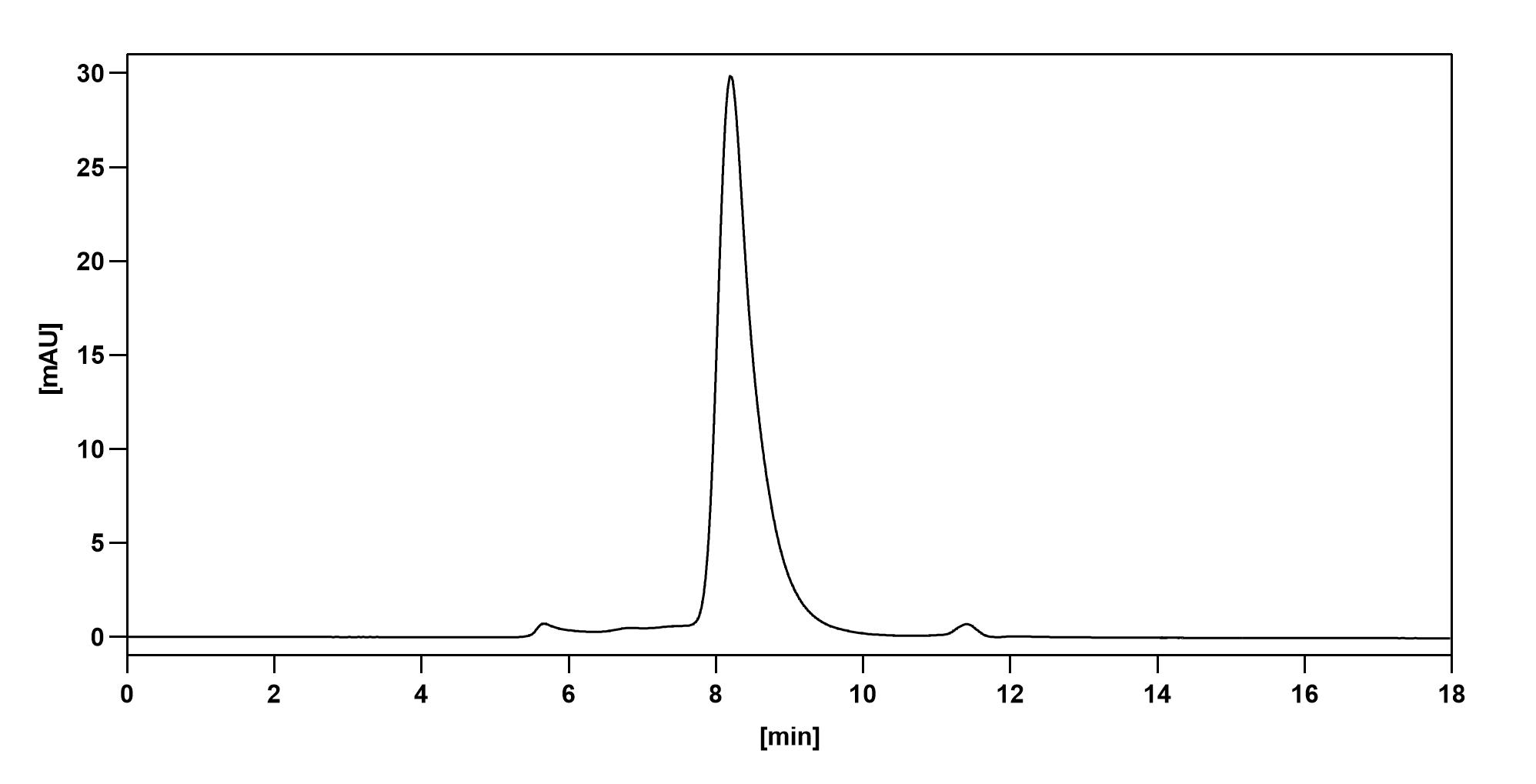
The antibody is produced using recombinant DNA technology, where the gene for the variable region is inserted into a mammalian cell line, and the antibody is then expressed and purified. This process ensures that Axatilimab has a consistent structure and high purity, making it suitable for research and potential therapeutic use.
Activity of Axatilimab
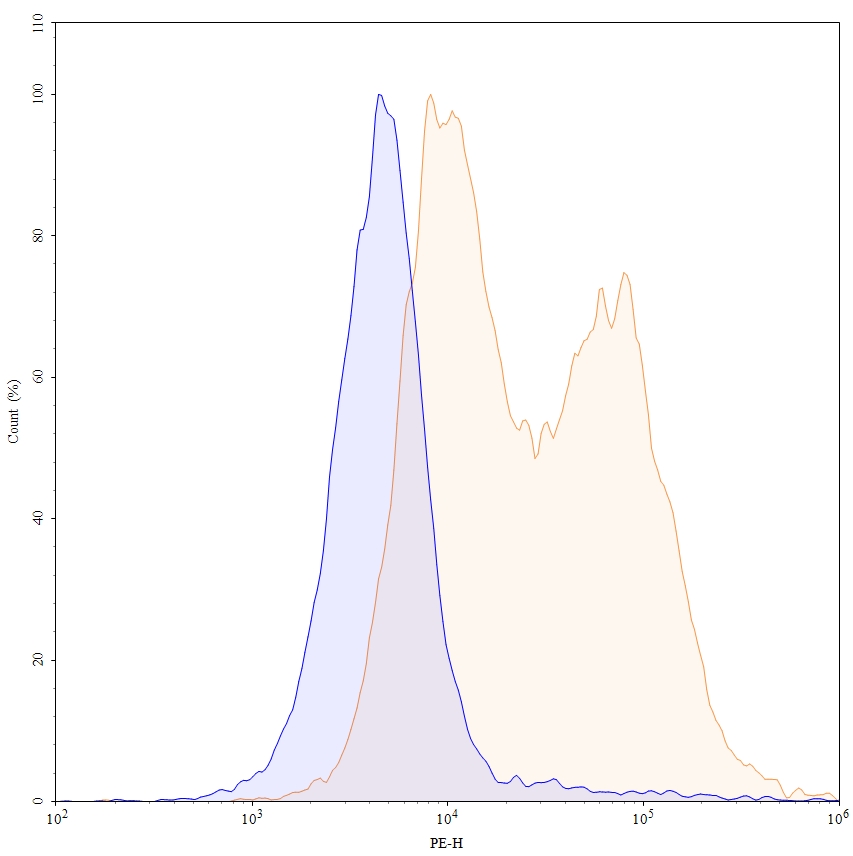
Axatilimab binds to the extracellular domain of CSF1R, preventing the binding of its ligands, colony-stimulating factor 1 (CSF1) and interleukin-34 (IL-34). This binding inhibits the activation of the receptor and downstream signaling pathways, which are involved in the development and function of macrophages and other immune cells.
By blocking CSF1R, Axatilimab can modulate the immune response and potentially reduce inflammation in various diseases. It can also affect the growth and survival of cancer cells, as CSF1R is overexpressed in many types of cancer and is involved in tumor progression and metastasis.
Applications of Axatilimab
Axatilimab has shown promising results in preclinical studies for various diseases, including autoimmune disorders, cancer, and bone disorders. As an anti-CSF1R antibody, it has the potential to be used as a therapeutic agent in the following conditions:
Autoimmune disorders CSF1R is involved in the differentiation and activation of macrophages, which play a crucial role in the pathogenesis of autoimmune diseases such as rheumatoid arthritis, multiple sclerosis, and inflammatory bowel disease. By blocking CSF1R, Axatilimab can potentially reduce the number and activity of these immune cells and alleviate the symptoms of these diseases.
Cancer
CSF1R is overexpressed in many types of cancer, including breast, lung, and ovarian cancer. It is involved in tumor growth, angiogenesis, and metastasis, making it an attractive therapeutic target. Axatilimab has shown promising results in preclinical studies for the treatment of solid tumors, and it is currently being evaluated in clinical trials for various types of cancer.
Bone disorders
CSF1R is also involved in the regulation of bone metabolism and is essential for the development and function of osteoclasts, which are responsible for bone resorption. In diseases such as osteoporosis and rheumatoid arthritis, there is an imbalance between bone formation and resorption, leading to bone loss. By blocking CSF1R, Axatilimab can potentially inhibit bone resorption and promote bone formation, making it a potential treatment for these conditions.
Conclusion
In summary, Axatilimab is a biosimilar anti-CSF1R antibody with a consistent structure and high purity. It has shown promising results in preclinical studies for various diseases, including autoimmune disorders, cancer, and bone disorders. By targeting CSF1R, Axatilimab can modulate the immune response and potentially have therapeutic benefits in these conditions. Further clinical trials are needed


There are no reviews yet.