Anti-Zebrafish wnt2 Polyclonal Antibody: A Versatile Tool for Studying Wnt Signaling in Zebrafish Models
The Anti-Zebrafish wnt2 Polyclonal Antibody is a highly specific and reliable tool for studying Wnt signaling in zebrafish models. This antibody is designed to target the wnt2 protein, a key player in the Wnt signaling pathway, which plays a crucial role in various biological processes such as embryonic development, tissue regeneration, and cell differentiation.
Function:
The Anti-Zebrafish wnt2 Polyclonal Antibody is specifically designed to detect and bind to the wnt2 protein in zebrafish, blocking its activity and allowing for the study of its function. This antibody is able to recognize both the active and inactive forms of wnt2, providing researchers with a comprehensive understanding of its role in Wnt signaling.
Applications:
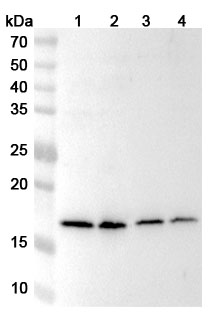
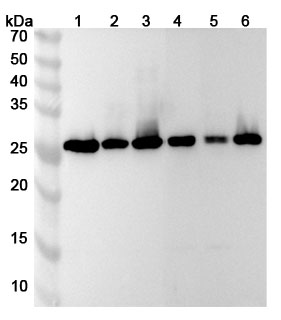
The Anti-Zebrafish wnt2 Polyclonal Antibody is a valuable tool for a wide range of research applications. It can be used in immunofluorescence, immunohistochemistry, and western blotting techniques to detect and quantify the expression of wnt2 in zebrafish tissues and cells. This antibody is also suitable for use in functional studies, such as blocking or activating Wnt signaling, to further investigate the role of wnt2 in zebrafish development and disease.
Experimental Use Cases:
The Anti-Zebrafish wnt2 Polyclonal Antibody has been successfully used in numerous research studies focused on understanding the function of Wnt signaling in zebrafish models. For example, it has been used to investigate the role of wnt2 in embryonic development, specifically in the formation of the nervous system and heart. This antibody has also been used to study the effects of wnt2 on tissue regeneration and cell differentiation in zebrafish.
In addition, the Anti-Zebrafish wnt2 Polyclonal Antibody has been used in disease-related research, including studies on the role of wnt2 in cancer, neurological disorders, and cardiovascular diseases. Its high specificity and sensitivity make it a valuable tool for identifying potential therapeutic targets and understanding disease mechanisms.
Conclusion:
The Anti-Zebrafish wnt2 Polyclonal Antibody is a highly specific and reliable tool for studying Wnt signaling in zebrafish models. Its ability to detect both active and inactive forms of wnt2, along with its versatility in various research techniques, make it an essential antibody for any researcher studying the role of Wnt signaling in zebrafish development and disease. Order now to advance your research and uncover new insights into the complex world of Wnt signaling.


There are no reviews yet.