Anti-Zebrafish prkcq Polyclonal Antibody
Biological Function:
The Anti-Zebrafish prkcq Polyclonal Antibody is a highly specific and sensitive tool for detecting the presence of prkcq protein in zebrafish. This antibody targets the protein kinase C theta (prkcq) which plays a crucial role in the immune response and regulation of T-cell activation.
Main Applications:
This antibody is ideal for use in various applications such as western blotting, immunohistochemistry, and immunofluorescence. It can also be used for flow cytometry and immunoprecipitation to study the expression and localization of prkcq protein in zebrafish tissues and cells.
Experimental Use Cases:
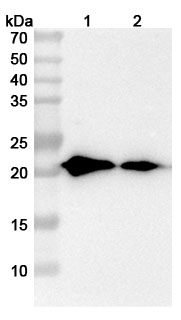
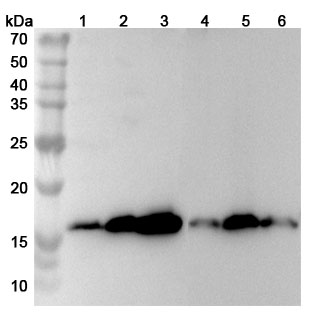
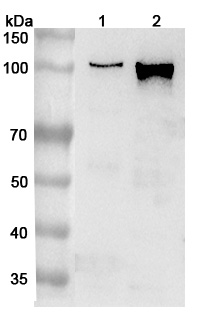
The Anti-Zebrafish prkcq Polyclonal Antibody has been extensively validated in various experiments and has shown high specificity and sensitivity. It has been successfully used to study the role of prkcq in zebrafish immune response, T-cell activation, and autoimmune diseases. Additionally, it has been used in drug discovery research to investigate the potential of prkcq as a therapeutic target.
This antibody is specifically designed for zebrafish research and has been optimized for sensitivity and specificity. It is a valuable tool for studying the function of prkcq in zebrafish and can aid in the development of new treatments for immune-related disorders.
Structure:
Introduction
The Anti-Zebrafish prkcq Polyclonal Antibody is a highly specific and sensitive tool for detecting the presence of prkcq protein in zebrafish.
Biological Function
This antibody targets the protein kinase C theta (prkcq) which plays a crucial role in the immune response and regulation of T-cell activation.
Main Applications
This antibody is ideal for use in various applications such as western blotting, immunohistochemistry, and immunofluorescence. It can also be used for flow cytometry and immunoprecipitation to study the expression and localization of prkcq protein in zebrafish tissues and cells.
Experimental Use Cases
The Anti-Zebrafish prkcq Polyclonal Antibody has been extensively validated in various experiments and has shown high specificity and sensitivity. It has been successfully used to study the role of prkcq in zebrafish immune response, T-cell activation, and autoimmune diseases. Additionally, it has been used in drug discovery research to investigate the potential of prkcq as a therapeutic target.
Conclusion
The Anti-Zebrafish prkcq Polyclonal Antibody is a valuable tool for zebrafish research, providing high specificity and sensitivity in detecting prkcq protein. Its various applications and successful use in experimental studies make it an essential component for understanding the function of prkcq in zebrafish and its potential as a therapeutic target.

There are no reviews yet.