Introduction to Rosopatamab Biosimilar
Rosopatamab Biosimilar, also known as Anti-FOLH1 mAb, is a monoclonal antibody that has been developed as a biosimilar to the original Rosopatamab antibody. This biosimilar has been designed to target the FOLH1 protein, which is overexpressed in certain types of cancer. In this article, we will explore the structure, activity, and potential applications of Rosopatamab Biosimilar in the field of cancer research.
Structure of Rosopatamab Biosimilar
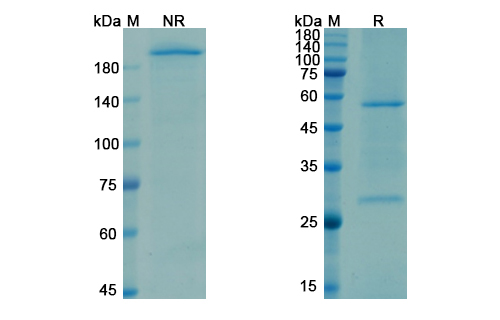
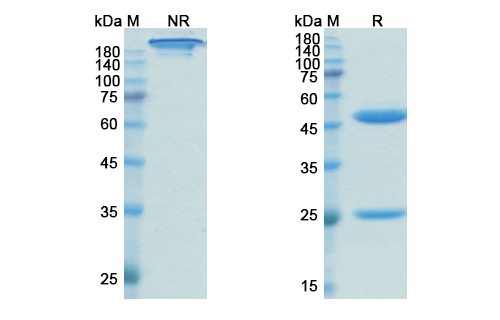
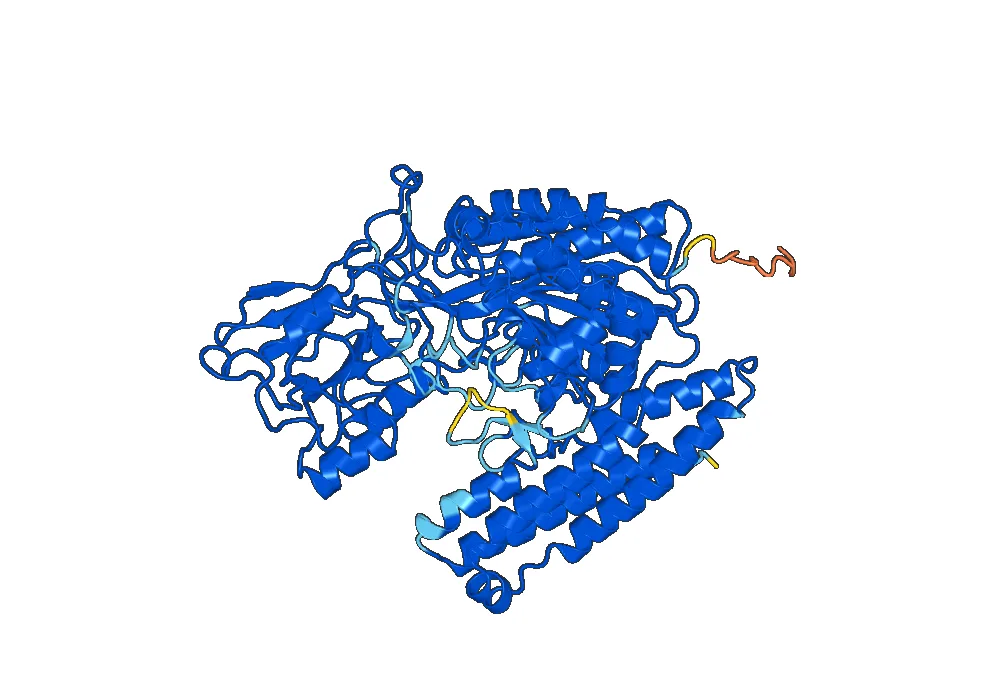
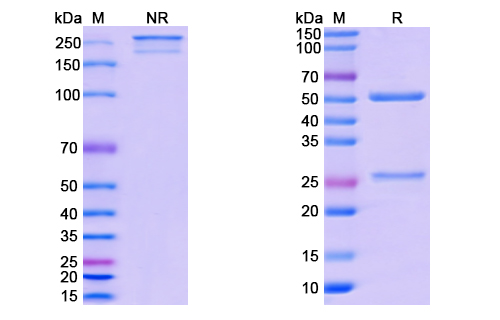
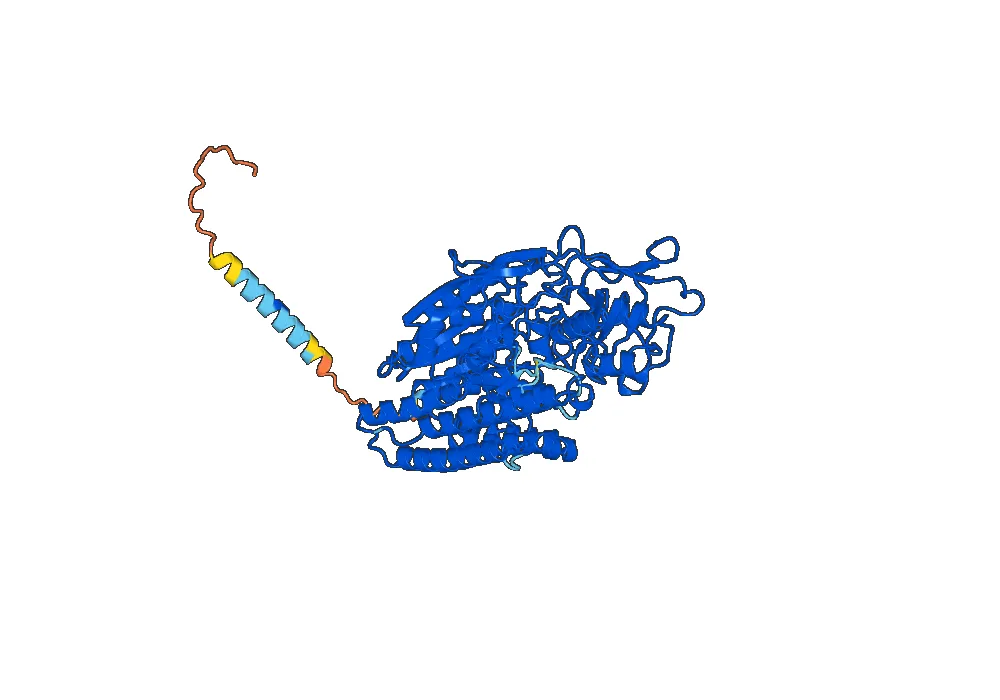
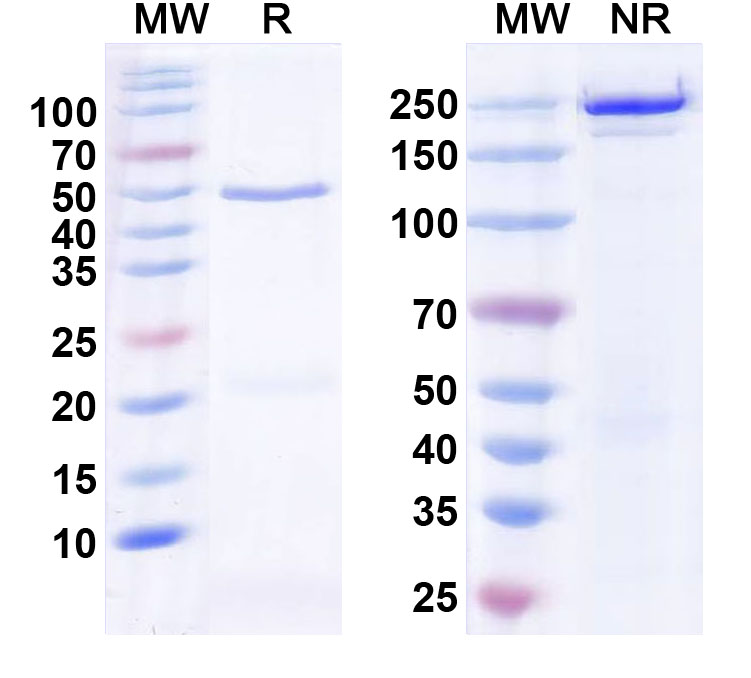
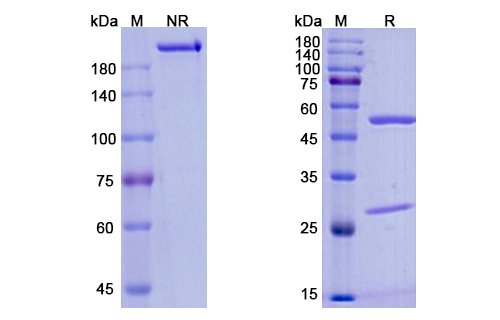
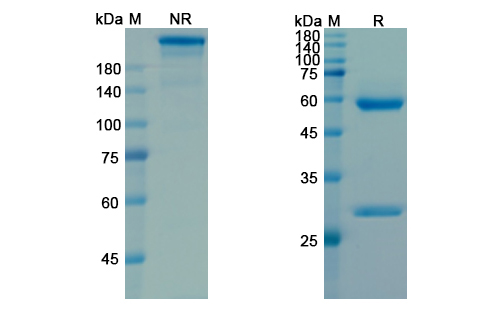
Rosopatamab Biosimilar is a monoclonal antibody that is produced in a laboratory using recombinant DNA technology. It is a humanized antibody, meaning that it contains both human and non-human components. The antibody is composed of two identical heavy chains and two identical light chains, which are linked together by disulfide bonds. The heavy chains are responsible for the binding of the antibody to its target, while the light chains help to stabilize the structure of the antibody.
Activity of Rosopatamab Biosimilar
The primary function of Rosopatamab Biosimilar is to bind to the FOLH1 protein, which is a cell surface receptor that is highly expressed in certain types of cancer cells. This binding leads to the activation of the body’s immune system, specifically the complement system, which helps to destroy the cancer cells. In addition, the antibody also has the ability to induce antibody-dependent cellular cytotoxicity (ADCC), which involves the recruitment of immune cells to attack and kill the cancer cells.
Applications of Rosopatamab Biosimilar
Rosopatamab Biosimilar has shown promising results in preclinical studies and is currently being evaluated in clinical trials for the treatment of various types of cancer, including prostate cancer, ovarian cancer, and bladder cancer. The antibody has also been investigated for its potential as a targeted therapy for patients with advanced or metastatic cancer.
One of the major advantages of Rosopatamab Biosimilar is its potential as a biosimilar. As a biosimilar, it has a similar structure and activity to the original Rosopatamab antibody, but at a lower cost. This makes it more accessible for patients who may not be able to afford the original antibody. In addition, the use of biosimilars can also help to reduce the burden on healthcare systems.
Targeting FOLH1 in
Cancer
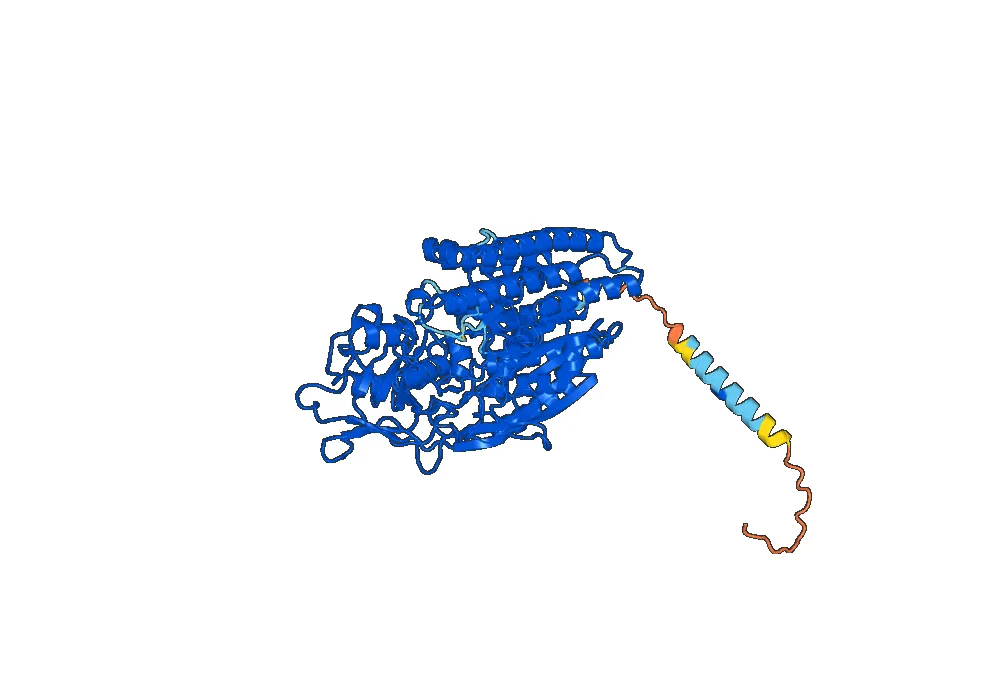
FOLH1, also known as folate hydrolase 1 or prostate-specific membrane antigen (PSMA), is a transmembrane protein that is highly expressed in several types of cancer, including prostate, ovarian, and bladder cancer. It is involved in the uptake and metabolism of folate, a B vitamin that is essential for cell growth and division. Overexpression of FOLH1 has been linked to increased tumor growth, invasion, and resistance to therapy, making it an attractive therapeutic target.
Rosopatamab Biosimilar as a Therapeutic Antibody
The development of Rosopatamab Biosimilar as a biosimilar to the original Rosopatamab antibody is a significant advancement in the field of cancer research. By targeting FOLH1, this antibody has the potential to specifically attack cancer cells while sparing healthy cells, reducing the side effects commonly associated with traditional cancer treatments. In addition, the antibody’s ability to activate the immune system and induce ADCC makes it a promising candidate for combination therapy with other cancer treatments.
Conclusion
In summary, Rosopatamab Biosimilar is a monoclonal antibody that has been developed as a biosimilar to the original Rosopatamab antibody. Its primary function is to bind to the FOLH1 protein, which is overexpressed in certain types of cancer, and activate the immune system to destroy cancer cells. With its potential as a biosimilar and its promising results in preclinical and clinical studies, Rosopatamab Bios

There are no reviews yet.