Introduction
Anti-Pan-pY/pTyr/Phosphotyrosine Antibody (4G10) is a highly specific and sensitive antibody that targets phosphorylated tyrosine residues in proteins. This antibody is widely used in research and has potential therapeutic applications due to its ability to detect and inhibit aberrant tyrosine phosphorylation, which is a hallmark of many diseases including cancer and autoimmune disorders.
Structure
Anti-Pan-pY/pTyr/Phosphotyrosine Antibody (4G10) is a monoclonal antibody, meaning it is produced by a single type of immune cell. It is derived from a hybridoma cell line, which is created by fusing a specific antibody-producing immune cell with a cancer cell. This fusion results in a stable cell line that can continuously produce large quantities of the desired antibody.
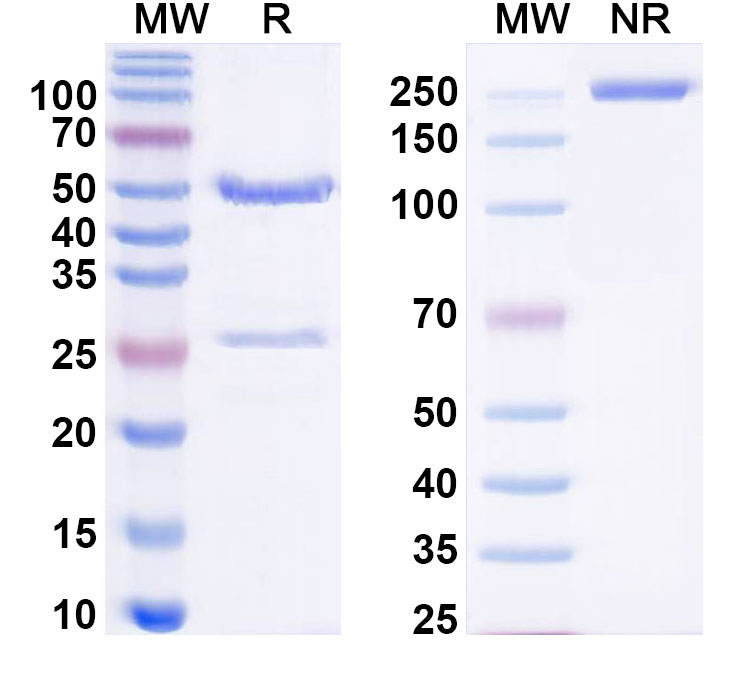
The 4G10 antibody is composed of two heavy chains and two light chains, each with a specific amino acid sequence that gives the antibody its unique structure. The heavy chains contain a constant region and a variable region, while the light chains only have a variable region. The variable regions of the heavy and light chains come together to form the antigen-binding site, which is responsible for the antibody’s specificity towards phosphorylated tyrosine residues.
Activity
Anti-Pan-pY/pTyr/Phosphotyrosine Antibody (4G10) is highly specific for phosphorylated tyrosine residues and does not bind to unphosphorylated tyrosine or any other amino acid. This specificity makes it a valuable tool for detecting and quantifying tyrosine phosphorylation in proteins. The antibody can be used in various techniques such as Western blotting, immunoprecipitation, and immunofluorescence.
In Western blotting, the 4G10 antibody is used to detect the presence of phosphorylated tyrosine residues in a protein sample. The antibody binds to the phosphorylated tyrosine residues and can be visualized using a secondary antibody that is conjugated to a detection molecule such as a fluorescent dye or an enzyme.
In immunoprecipitation, the 4G10 antibody is used to isolate and purify proteins that are phosphorylated on tyrosine residues. The antibody binds to the phosphorylated proteins and can be separated from the rest of the sample using techniques such as magnetic beads or agarose beads.
In immunofluorescence, the 4G10 antibody is used to visualize the localization of tyrosine phosphorylation in cells. The antibody can be directly conjugated to a fluorescent dye, allowing for the detection of phosphorylated proteins within the cell.
Application as a Therapeutic Target
Aberrant tyrosine phosphorylation has been linked to various diseases, including cancer, autoimmune disorders, and neurodegenerative diseases. Therefore, targeting tyrosine phosphorylation has emerged as a potential therapeutic strategy for these diseases.
Anti-Pan-pY/pTyr/Phosphotyrosine Antibody (4G10) can serve as a therapeutic target by inhibiting the activity of tyrosine kinases, enzymes that catalyze the phosphorylation of tyrosine residues. By binding to the phosphorylated tyrosine residues, the antibody can block the interaction between the tyrosine kinase and its substrate, thereby inhibiting the phosphorylation process.
Moreover, the 4G10 antibody can also be used in combination with other therapeutic agents, such as small molecule inhibitors, to enhance their efficacy. This combination therapy approach can potentially lead to more effective treatment options for diseases driven by aberrant tyrosine phosphorylation.
Research Use
Anti-Pan-pY/pTyr/Phosphotyrosine Antibody (4G10) is widely used in research to study tyrosine phosphorylation and its role in various cellular processes. The antibody has been used in numerous studies to investigate the signaling pathways involved in diseases such as cancer and autoimmune disorders.

There are no reviews yet.