Introduction
Anti-Pan-pS/pSer/Phosphoserine Antibody (SAA0307) is a highly specific and sensitive antibody that targets phosphoserine residues in proteins. It is a valuable tool for researchers studying various biological processes, as well as a potential therapeutic target for diseases involving abnormal phosphorylation.
Structure and Activity
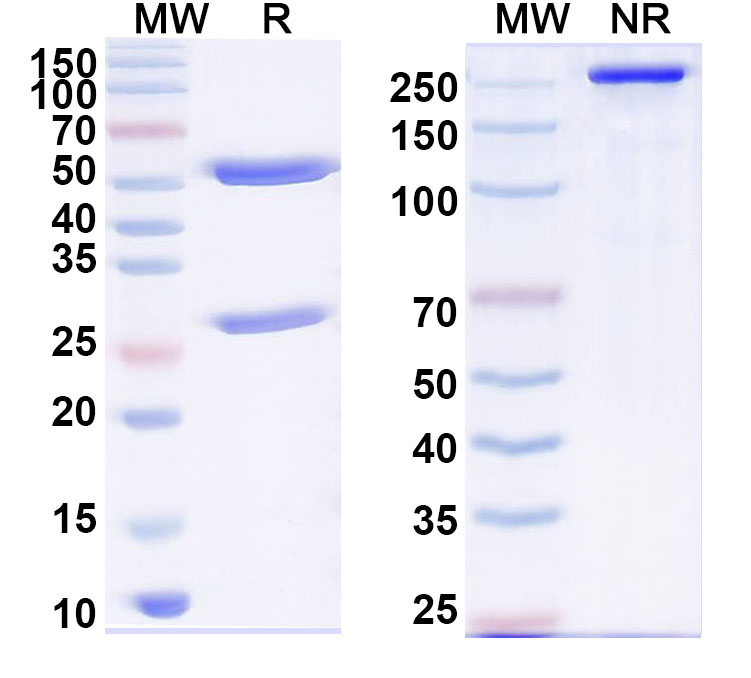
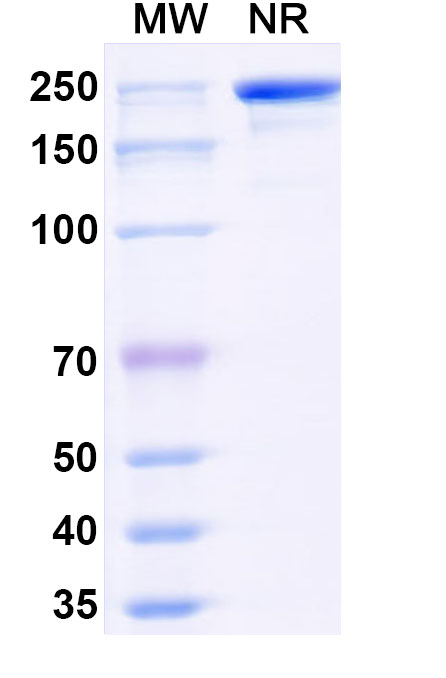
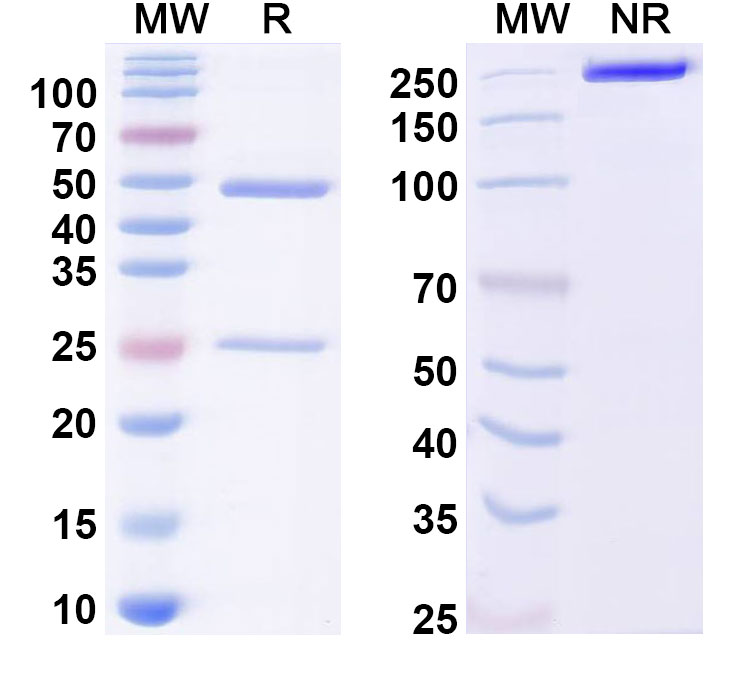
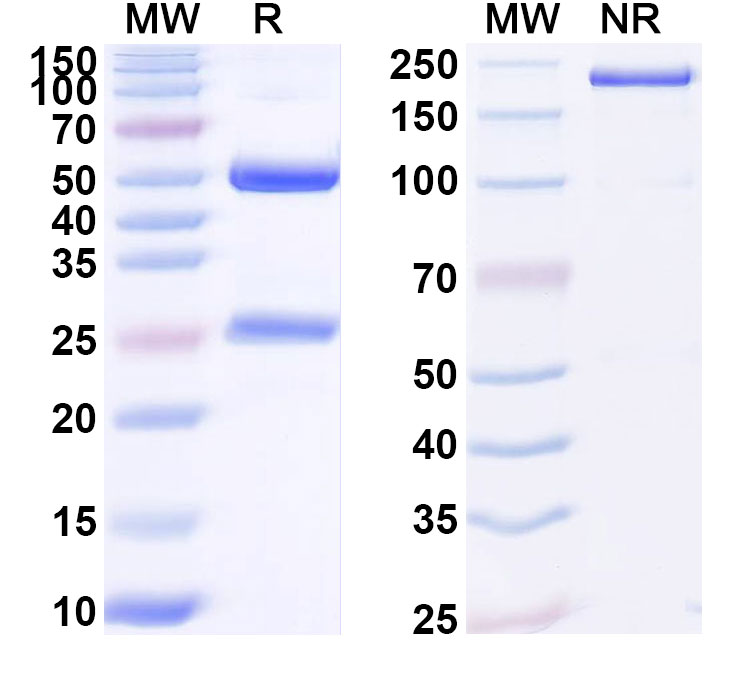
The Anti-Pan-pS/pSer/Phosphoserine Antibody (SAA0307) is a monoclonal antibody produced by hybridoma technology. It is composed of two heavy chains and two light chains, with a molecular weight of approximately 150 kDa. The antibody binds specifically to phosphoserine residues in proteins, with minimal cross-reactivity to other phosphorylated amino acids.
Phosphoserine is a modified form of the amino acid serine, in which a phosphate group is added to the hydroxyl group of the serine side chain. This modification is a crucial post-translational modification that regulates the activity of many proteins involved in signaling pathways, gene expression, and other cellular processes. The Anti-Pan-pS/pSer/Phosphoserine Antibody recognizes this modification and can be used to detect and quantify phosphoserine-containing proteins in various samples.
Application as a Therapeutic Target
Abnormal phosphorylation is a hallmark of many diseases, including cancer, neurodegenerative disorders, and metabolic diseases. In these conditions, the balance between phosphorylation and dephosphorylation is disrupted, leading to dysregulation of cellular processes and disease progression. As a specific and sensitive antibody targeting phosphoserine, the Anti-Pan-pS/pSer/Phosphoserine Antibody has the potential to be used as a therapeutic target for these diseases.
One potential application of this antibody is in cancer treatment. Aberrant phosphorylation of proteins is a common feature of cancer cells, and targeting these abnormal modifications can disrupt signaling pathways and inhibit tumor growth. The Anti-Pan-pS/pSer/Phosphoserine Antibody can be used to identify potential therapeutic targets and develop targeted therapies for specific types of cancer.
Furthermore, the Anti-Pan-pS/pSer/Phosphoserine Antibody can also be utilized in the development of personalized medicine. As each individual’s cancer may have a unique profile of phosphorylated proteins, this antibody can be used to identify specific phosphoproteins that are overexpressed in a patient’s tumor. This information can then be used to design personalized treatment strategies and monitor treatment response.
Research Use
The Anti-Pan-pS/pSer/Phosphoserine Antibody is widely used in research to study various biological processes. It is particularly useful in studying protein phosphorylation and its role in cellular signaling, gene expression, and other cellular functions. By detecting and quantifying phosphoserine-containing proteins, this antibody can provide valuable insights into the mechanisms underlying various diseases and help identify potential therapeutic targets.
Additionally, the Anti-Pan-pS/pSer/Phosphoserine Antibody is also used in various techniques such as western blotting, immunoprecipitation, and immunofluorescence. Its high specificity and sensitivity make it a reliable tool for detecting and quantifying phosphoserine modifications in different sample types, including cell lysates, tissue extracts, and biological fluids.
Conclusion
In summary, the Anti-Pan-pS/pSer/Phosphoserine Antibody (SAA0307) is a highly specific and sensitive antibody that targets phosphoserine residues in proteins. Its structure, activity, and application make it a valuable tool for research purposes, as well as a potential therapeutic target for diseases involving abnormal phosphorylation. With its diverse applications and potential for personalized medicine, this antibody continues to be a valuable asset in the study of protein phosphorylation and its role in various biological processes.

There are no reviews yet.