The Anti-INS2 Polyclonal Antibody is a powerful tool for researchers in the biotech industry. This high-quality antibody specifically targets INS2, a gene that plays a crucial role in the production of insulin.
Insulin is a hormone that is essential for regulating blood sugar levels in the body. Dysregulation of INS2 can lead to serious health conditions, including diabetes. This makes the Anti-INS2 Polyclonal Antibody an invaluable resource for studying the mechanisms of insulin production and its role in various diseases.
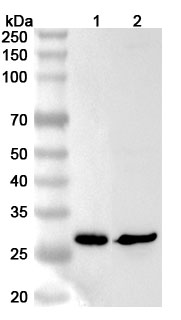
This antibody has a wide range of applications in both basic research and drug development. It can be used in Western blotting, immunohistochemistry, and immunofluorescence assays to detect and quantify INS2 protein levels. This allows researchers to gain a deeper understanding of the function and regulation of INS2 in different cell types and tissues.
One of the key advantages of the Anti-INS2 Polyclonal Antibody is its versatility. It has been validated for use in multiple species, including human, mouse, and rat, making it a valuable tool for cross-species studies. Additionally, it has been tested in a variety of sample types, such as cell lysates, tissue homogenates, and serum, ensuring reliable results in different experimental conditions.
Researchers have successfully used this antibody in a range of studies, including investigating the role of INS2 in diabetes, obesity, and metabolic disorders. It has also been used to study the effects of different drugs and treatments on INS2 expression and function. These applications demonstrate the broad utility of the Anti-INS2 Polyclonal Antibody in advancing our understanding of insulin biology and its implications in disease.
In summary, the Anti-INS2 Polyclonal Antibody is a highly specific and versatile tool for studying INS2 and its role in various physiological and pathological processes. With its reliable performance and wide range of applications, this antibody is an essential asset for any biotech research laboratory. Order now to accelerate your research and gain valuable insights into the complex mechanisms of insulin production and regulation.

There are no reviews yet.