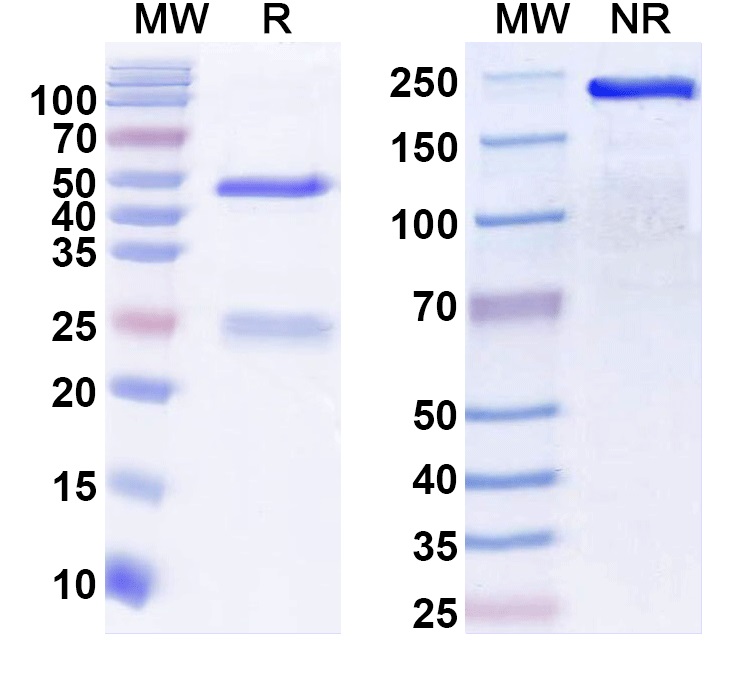
Anti-Human PSA/KLK3 Monoclonal Antibody (1A553)
The Anti-Human PSA/KLK3 Monoclonal Antibody (1A553) is a cutting-edge biotechnology product that targets the prostate-specific antigen (PSA) and kallikrein-related peptidase 3 (KLK3) proteins. This highly specific and sensitive antibody is designed to aid in the diagnosis and treatment of prostate cancer.
The biological function of this monoclonal antibody is to bind to the PSA and KLK3 proteins, inhibiting their activity and preventing them from promoting the growth and spread of prostate cancer cells. This makes it a valuable tool in both research and clinical settings.
One of the main applications of the Anti-Human PSA/KLK3 Monoclonal Antibody (1A553) is in the detection and monitoring of prostate cancer. By targeting the PSA and KLK3 proteins, this antibody can accurately detect and measure levels of these proteins in blood and tissue samples, providing crucial information for the diagnosis and management of prostate cancer.
In addition to its diagnostic applications, this monoclonal antibody can also be used in experimental research to study the role of PSA and KLK3 in prostate cancer progression. Its high specificity and sensitivity make it a valuable tool for understanding the mechanisms underlying this disease and identifying potential therapeutic targets.
Overall, the Anti-Human PSA/KLK3 Monoclonal Antibody (1A553) is a powerful tool for both researchers and clinicians in the fight against prostate cancer. Its ability to specifically target PSA and KLK3 proteins, combined with its versatile applications, make it an essential component in the battle against this prevalent and deadly disease.
If you are looking to improve your understanding of prostate cancer or develop new treatments for this disease, consider incorporating the Anti-Human PSA/KLK3 Monoclonal Antibody (1A553) into your research. With its precise targeting and broad range of applications, this antibody has the potential to make a significant impact in the field of prostate cancer research. Order now and take a step towards better understanding and treating this complex disease.
There are no reviews yet.