Anti-Human GPX2 Polyclonal Antibody: A Powerful Tool for Studying Oxidative Stress and Cancer Research
Introduction:
The Anti-Human GPX2 Polyclonal Antibody is a highly specific and sensitive antibody that has been extensively validated for its use in biotech research. This antibody targets the human GPX2 protein, which plays a crucial role in regulating oxidative stress and has been implicated in various types of cancer. With its robust performance and versatile applications, this antibody is a valuable addition to any laboratory studying these important biological processes.
Biological Function:
GPX2, also known as Glutathione Peroxidase 2, is a member of the glutathione peroxidase family of enzymes. It is primarily responsible for the breakdown of hydrogen peroxide and other reactive oxygen species (ROS) in the body. These ROS are generated as a byproduct of cellular metabolism and can cause damage to DNA, proteins, and lipids if not properly regulated. GPX2 helps maintain the delicate balance of ROS levels, protecting cells from oxidative stress and maintaining their normal function.
Main Applications:
The Anti-Human GPX2 Polyclonal Antibody is a powerful tool for studying oxidative stress and its role in various diseases, particularly cancer. This antibody has been extensively used in research to investigate the expression and activity of GPX2 in different cancer types. It has also been utilized to study the effects of oxidative stress on cellular processes and to evaluate potential therapeutic interventions.
Experimental Use Cases:
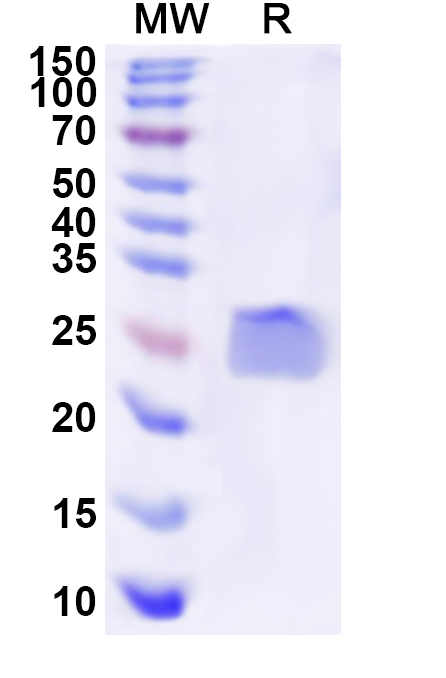
The Anti-Human GPX2 Polyclonal Antibody has been successfully used in a wide range of experimental techniques, including Western blotting, immunohistochemistry, and flow cytometry. In Western blotting, this antibody has been shown to specifically recognize the GPX2 protein, producing a strong and clear signal. In immunohistochemistry, it has been used to detect GPX2 expression in tissue samples, providing valuable insights into its localization and distribution. Additionally, in flow cytometry, this antibody has been used to quantify GPX2 levels in different cell populations, allowing for the precise measurement of oxidative stress levels.
Conclusion:
In summary, the Anti-Human GPX2 Polyclonal Antibody is a highly specific and reliable tool for studying oxidative stress and cancer research. Its robust performance and versatile applications make it a valuable asset for any laboratory investigating these important biological processes. With its ability to detect GPX2 with high sensitivity and specificity, this antibody is an essential component of any research project aiming to understand the role of oxidative stress in disease development and progression.

There are no reviews yet.