Anti-Human CD59 Polyclonal Antibody: A Versatile Tool for Immunology Research
Introduction:
Anti-Human CD59 Polyclonal Antibody is a highly specific and reliable tool for immunology research. This polyclonal antibody is designed to target the CD59 protein, also known as protectin, which is a cell surface glycoprotein involved in the regulation of complement-mediated cell lysis. With its wide range of applications and proven experimental use cases, this antibody is a valuable addition to any biotech laboratory.
Biological Function:
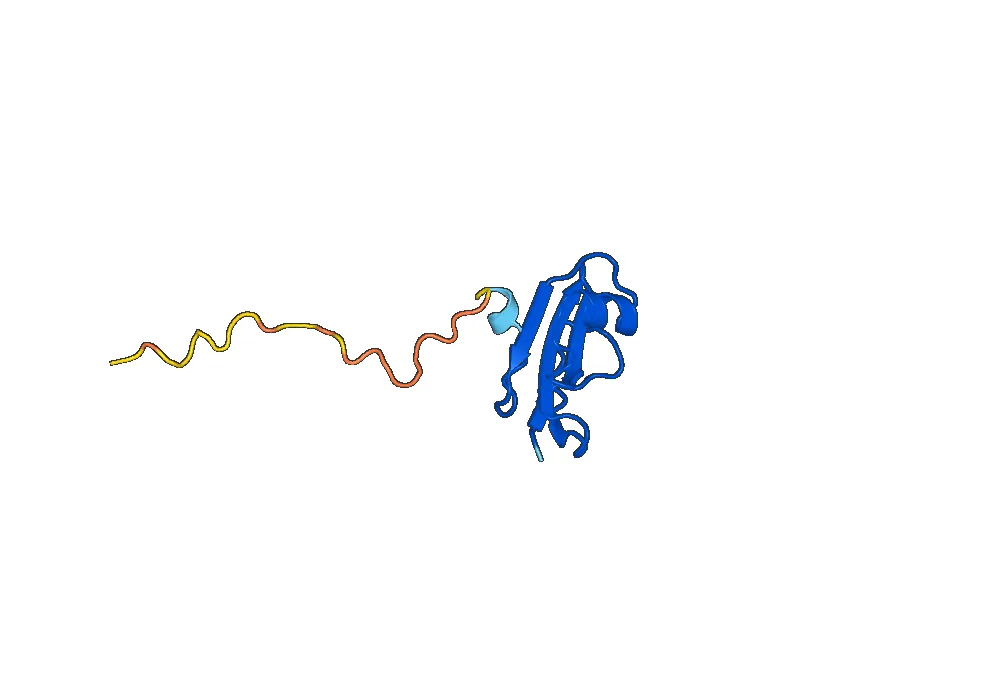
CD59 is a key regulator of the complement system, a crucial part of the immune response that helps defend the body against pathogens. This protein works by inhibiting the formation of the membrane attack complex (MAC), a structure that can cause cell lysis. By binding to CD59, this antibody can block the action of the MAC and prevent cell damage, making it an important tool for studying the immune response.
Main Applications:
The Anti-Human CD59 Polyclonal Antibody has a wide range of applications in immunology research. It can be used in various techniques such as flow cytometry, immunohistochemistry, and Western blotting to detect and quantify CD59 expression in different cell types and tissues. This antibody is also suitable for functional studies, as it can inhibit the activity of CD59 and study its role in the complement system.
Experimental Use Cases:
This polyclonal antibody has been extensively used in research on various diseases, including autoimmune disorders, infectious diseases, and cancer. In a study published in the Journal of Immunology, researchers used this antibody to investigate the role of CD59 in autoimmune kidney disease. Another study published in the Journal of Virology used this antibody to study the role of CD59 in HIV infection. These examples demonstrate the versatility and reliability of this antibody in different research areas.
This polyclonal antibody is specifically designed for research use and is not intended for diagnostic or therapeutic purposes. It is produced in a host animal and purified using advanced techniques to ensure high specificity and sensitivity. With its high affinity and low background, this antibody is an ideal choice for studying CD59 in various research applications.

There are no reviews yet.