The Anti-H4C1 Polyclonal Antibody is a highly specific and sensitive tool for detecting the presence of H4C1 in various biological samples. This antibody has been extensively tested and validated for use in multiple applications, making it an essential tool for researchers in the biotech industry.
Biological Function:
H4C1, also known as Histone H4 Citrulline 1, is an epigenetic modification of the histone protein H4. This modification is catalyzed by the enzyme PAD4 and has been linked to various diseases, including cancer and autoimmune disorders. The Anti-H4C1 Polyclonal Antibody specifically recognizes this modified form of H4 and allows for its detection and quantification.
Main Applications:
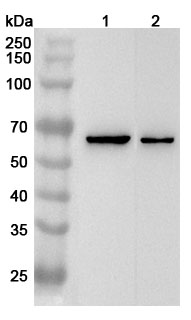
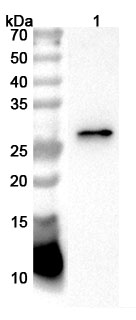
The Anti-H4C1 Polyclonal Antibody is suitable for use in a variety of applications, including Western blotting, immunohistochemistry, and immunofluorescence. It has been tested in both human and animal samples, making it a versatile tool for researchers in different fields.
Experimental Use Cases:
This antibody has been successfully used in various experiments, including the detection of H4C1 in cancer cell lines and tissues, as well as in autoimmune disease models. It has also been used to study the role of H4C1 in epigenetic regulation and its potential as a biomarker for disease diagnosis and prognosis.
With its high specificity and sensitivity, the Anti-H4C1 Polyclonal Antibody is an essential tool for researchers studying H4C1 and its biological functions. Its multiple applications and successful use in various experimental settings make it a valuable addition to any biotech laboratory.
In conclusion, the Anti-H4C1 Polyclonal Antibody is a reliable and effective tool for detecting and studying H4C1 in biological samples. Its use can provide valuable insights into the role of this epigenetic modification in various diseases, making it a must-have for any biotech research project.
Keywords: Anti-H4C1 Polyclonal Antibody, H4C1, histone H4, epigenetic modification, PAD4, cancer, autoimmune disorders, Western blotting, immunohistochemistry, immunofluorescence, biomarker, disease diagnosis, disease prognosis, biotech research.


There are no reviews yet.