Anti-Francisella tularensis O-polysaccharide/Ft O-antigen Antibody (N62)
Biological Function
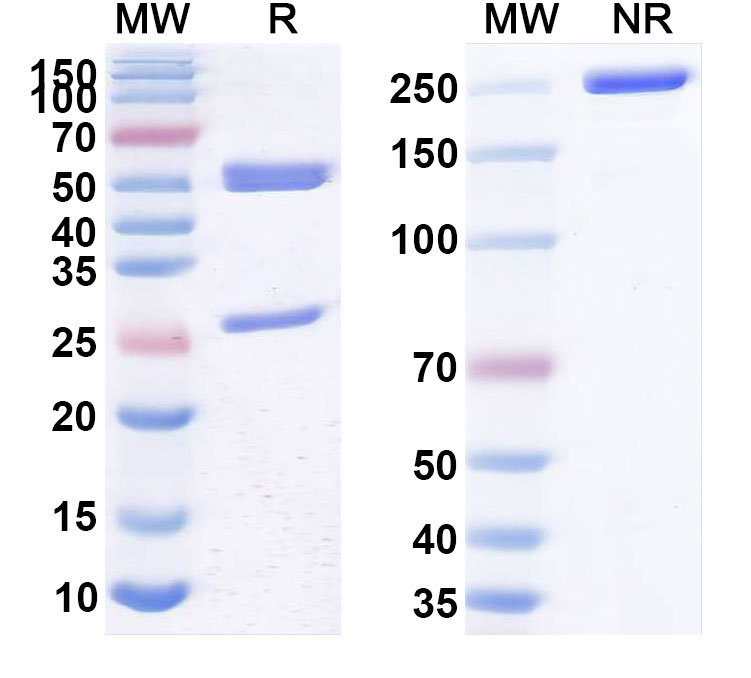
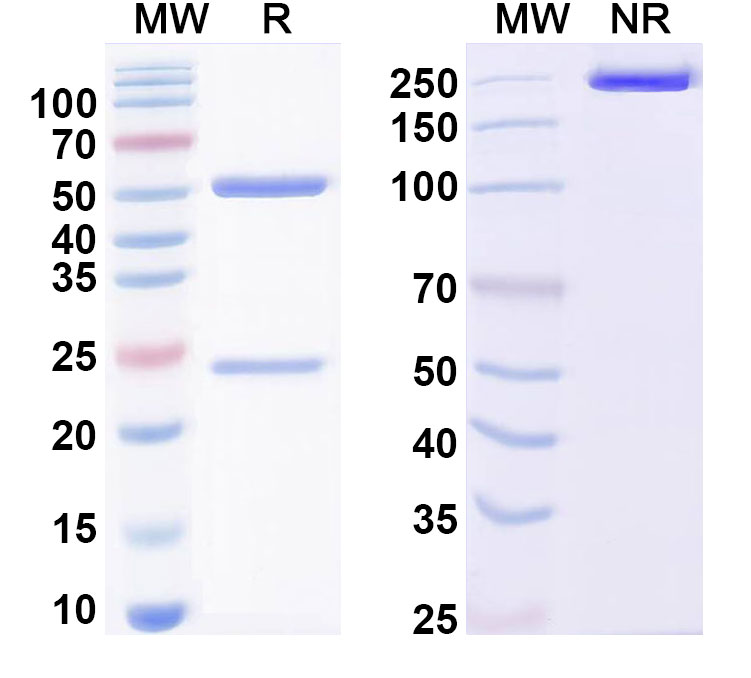
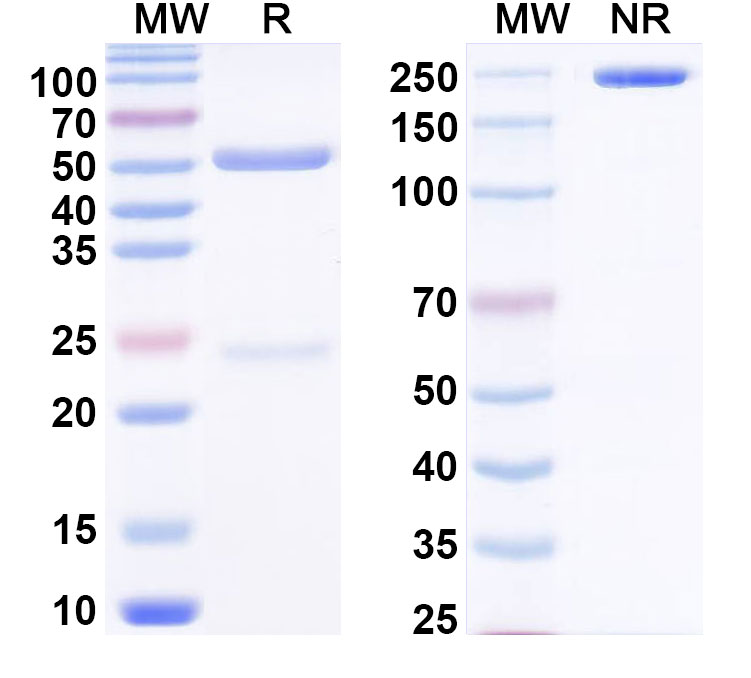
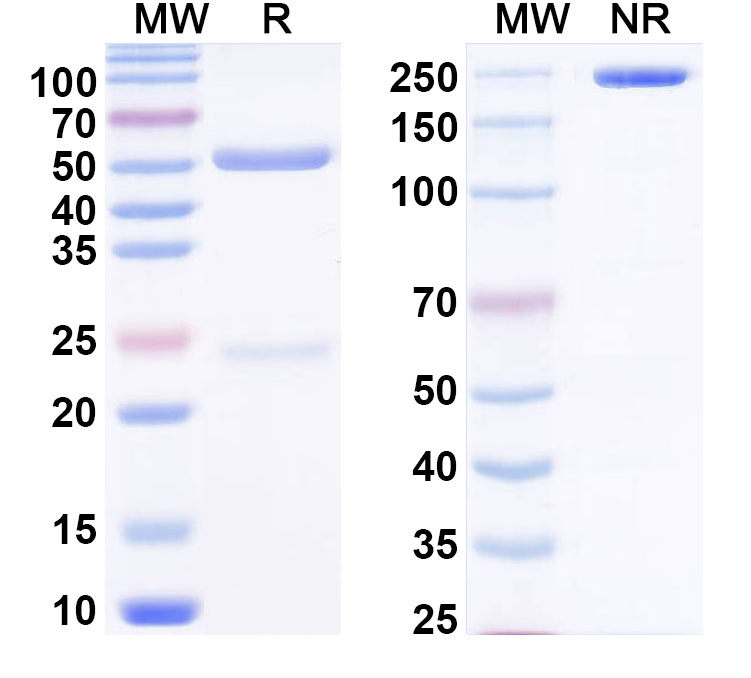
The Anti-Francisella tularensis O-polysaccharide/Ft O-antigen Antibody (N62) is a highly specific and sensitive antibody that targets the O-polysaccharide and O-antigen components of the Francisella tularensis bacteria. This antibody is designed to bind and neutralize the bacteria, preventing its growth and spread.
Main Applications
This antibody is primarily used in the field of biotechnology and research for the detection and identification of Francisella tularensis bacteria. It is also used in diagnostic tests for the early detection of tularemia, a serious infectious disease caused by this bacteria.
Experimental Use Cases
The Anti-Francisella tularensis O-polysaccharide/Ft O-antigen Antibody (N62) has been extensively used in various research studies to understand the pathogenesis of tularemia and to develop effective treatments and vaccines against this bacteria. It has also been used in experimental animal models to study the immune response and efficacy of potential therapeutics.
In one study, the antibody was used to develop a new diagnostic test for tularemia, which showed high sensitivity and specificity in detecting the bacteria in clinical samples. In another study, it was used to identify and characterize different strains of Francisella tularensis, providing valuable insights into its genetic diversity and evolution.
The Anti-Francisella tularensis O-polysaccharide/Ft O-antigen Antibody (N62) has also been used in vaccine development studies, where it was found to be an effective adjuvant in enhancing the immune response against the bacteria.
In summary, this antibody is an essential tool for researchers and biotech companies working towards understanding and combating Francisella tularensis infections. Its high specificity and sensitivity make it a valuable asset in the field of biotechnology and research. Order now to advance your studies and contribute to the fight against tularemia.
There are no reviews yet.