Introduction
Anti-Flag Tag (DYKDDDDK) Antibody (M2) is a highly specific and widely used antibody in scientific research. It is a monoclonal antibody that recognizes the FLAG epitope (DYKDDDDK) and is commonly used as a tool for protein purification, detection, and localization. In this article, we will discuss the structure, activity, and application of this antibody, highlighting its potential as a therapeutic target and its use in research.
Structure of Anti-Flag Tag Antibody
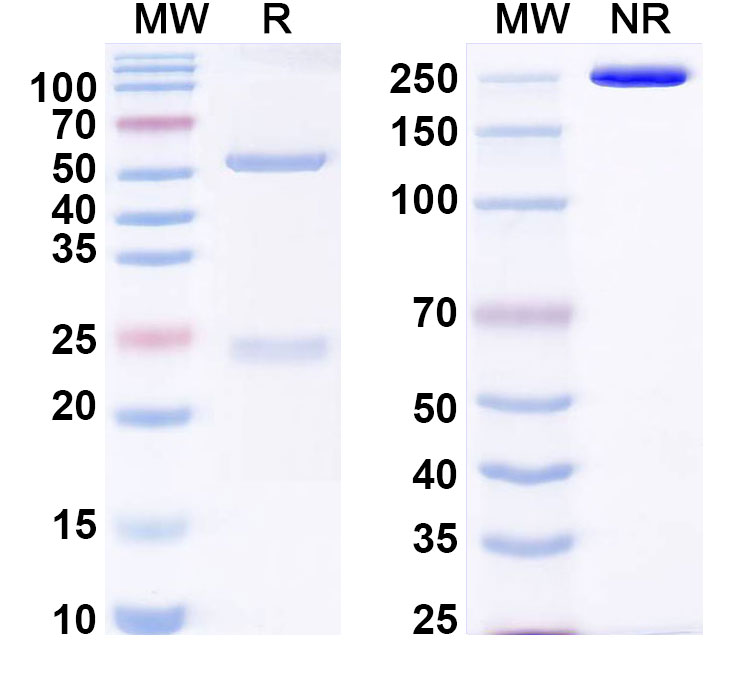
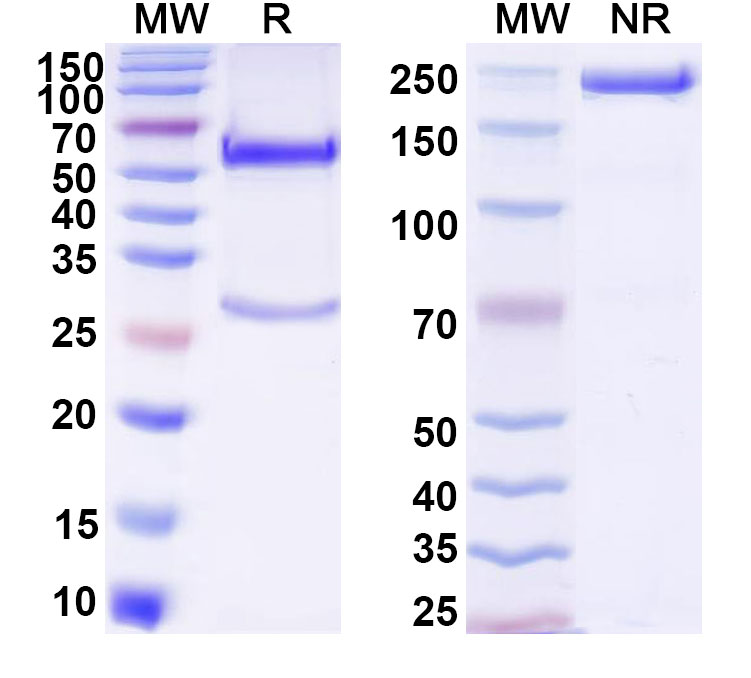
The Anti-Flag Tag Antibody (M2) is a mouse monoclonal antibody that belongs to the immunoglobulin G (IgG) class. It is composed of two heavy chains and two light chains, each containing a variable region and a constant region. The variable region is responsible for binding to the FLAG epitope, while the constant region determines the antibody’s effector functions.
Activity of Anti-Flag Tag Antibody
The main activity of Anti-Flag Tag Antibody is its ability to recognize and bind to the FLAG epitope. This epitope, consisting of eight amino acids (DYKDDDDK), is commonly fused to the N- or C-terminus of recombinant proteins for various purposes. The Anti-Flag Tag Antibody specifically binds to this epitope with high affinity, making it a valuable tool for protein purification, detection, and localization.
Application of Anti-Flag Tag Antibody
Protein purification
One of the most common applications of Anti-Flag Tag Antibody is in protein purification. The FLAG epitope is often used as a fusion tag to facilitate the purification of recombinant proteins. The Anti-Flag Tag Antibody can be immobilized on a solid support, such as agarose beads, and used to purify proteins containing the FLAG tag. This method is highly specific and efficient, making it a popular choice for protein purification.
Protein detection and localization
Another important application of Anti-Flag Tag Antibody is in protein detection and localization. The antibody can be used in various techniques, such as Western blotting, immunofluorescence, and immunohistochemistry, to detect the presence of proteins containing the FLAG tag. It can also be used to determine the subcellular localization of proteins by visualizing their distribution within cells.
Therapeutic target
In addition to its use in research, the FLAG epitope has also been explored as a potential therapeutic target. The FLAG tag can be incorporated into therapeutic proteins, such as antibodies or enzymes, to improve their stability and efficacy. The Anti-Flag Tag Antibody can then be used to specifically target and deliver these therapeutic proteins to their intended site of action.
Research use
Anti-Flag Tag Antibody is widely used in various fields of research, including biochemistry, molecular biology, and cell biology. Its high specificity and versatility make it a valuable tool for studying protein structure and function, as well as cellular processes. It has been used in numerous studies to investigate the role of specific proteins in various biological pathways and diseases.
Conclusion
In conclusion, Anti-Flag Tag (DYKDDDDK) Antibody (M2) is a highly specific and versatile antibody that is widely used in scientific research. Its ability to recognize and bind to the FLAG epitope makes it a valuable tool for protein purification, detection, and localization. In addition, the FLAG tag has potential as a therapeutic target, and the Anti-Flag Tag Antibody can be used to specifically deliver therapeutic proteins to their target site. With its multiple applications and widespread use, this antibody continues to be an essential tool in the scientific community.

There are no reviews yet.