Introduction
Anti-Digoxigenin Antibody (19A11) is a monoclonal antibody that specifically recognizes the hapten digoxigenin (DIG). It is widely used in various research applications and has potential therapeutic applications as well. In this article, we will discuss the structure, activity, and potential applications of Anti-Digoxigenin Antibody (19A11).
Structure of Anti-Digoxigenin Antibody (19A11)
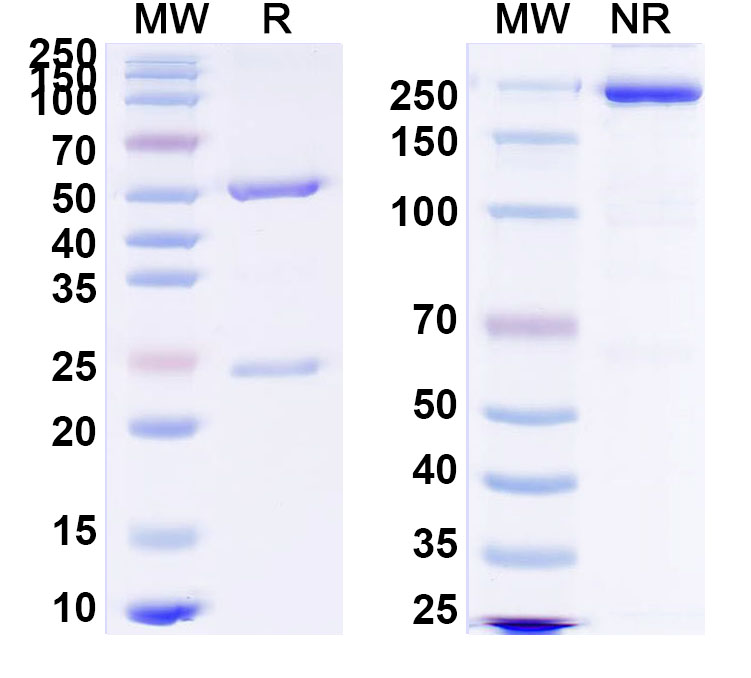
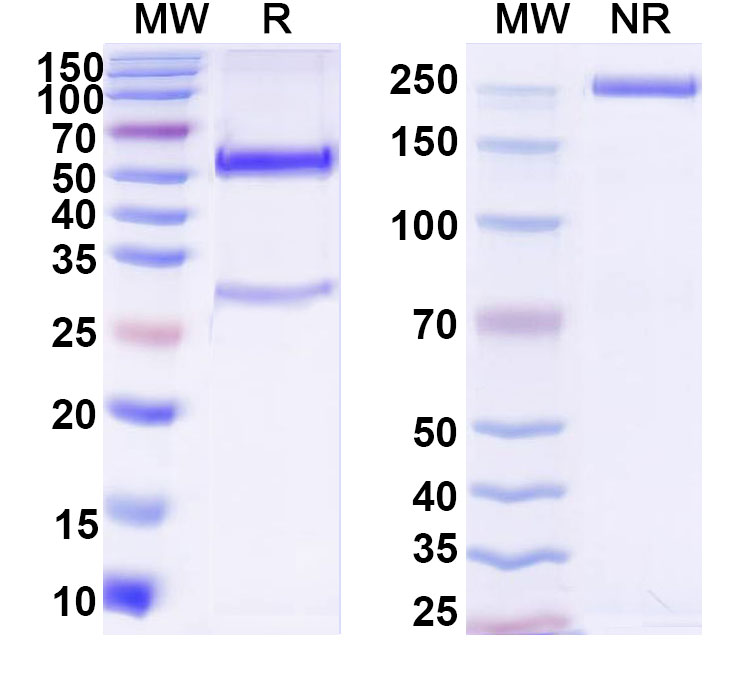
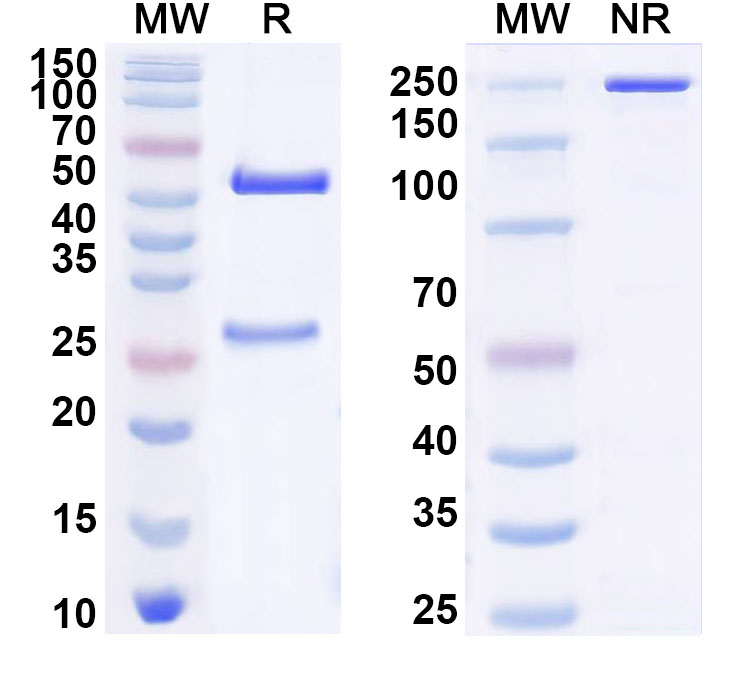
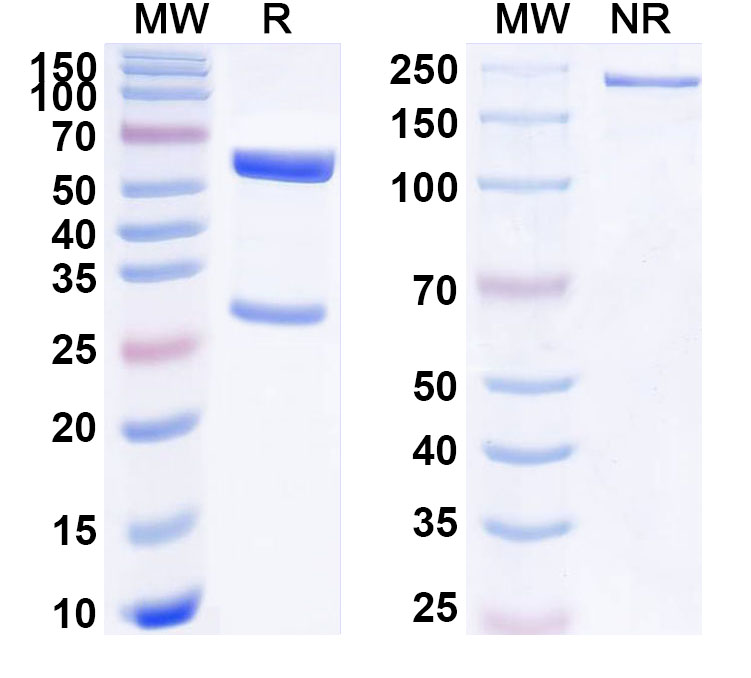
Anti-Digoxigenin Antibody (19A11) is a monoclonal antibody, meaning it is produced by a single type of immune cell and is highly specific to its target antigen, digoxigenin. It is composed of two heavy chains and two light chains, each with a unique amino acid sequence. The variable regions of the antibody, also known as the antigen-binding sites, are responsible for recognizing and binding to digoxigenin.
The constant region of the antibody, on the other hand, is responsible for immune effector functions such as complement activation and binding to Fc receptors on immune cells. The constant region of Anti-Digoxigenin Antibody (19A11) belongs to the IgG subclass and is therefore able to activate complement and bind to Fc receptors, making it useful for various research and therapeutic applications.
Activity of Anti-Digoxigenin Antibody (19A11)
Anti-Digoxigenin Antibody (19A11) is highly specific for digoxigenin and has a high affinity for its target antigen. This means that it can bind to digoxigenin with great precision and strength, making it a valuable tool for detecting and quantifying digoxigenin in various samples.
One of the main activities of Anti-Digoxigenin Antibody (19A11) is its ability to detect digoxigenin in various assays, such as enzyme-linked immunosorbent assays (ELISA) and immunohistochemistry. In these assays, the antibody is used to capture and detect digoxigenin, allowing for the quantification and localization of the hapten in different samples.
Another important activity of Anti-Digoxigenin Antibody (19A11) is its ability to neutralize the effects of digoxin, a cardiac glycoside that is commonly used in the treatment of heart failure. Digoxin and digoxigenin have similar structures, and Anti-Digoxigenin Antibody (19A11) can bind to and neutralize digoxin, making it a potential therapeutic agent for the treatment of digoxin overdose or toxicity.
Applications of Anti-Digoxigenin Antibody (19A11)
Anti-Digoxigenin Antibody (19A11) has a wide range of applications in both research and potential therapeutic settings. Some of the key applications of this antibody include:
Research use
As mentioned earlier, Anti-Digoxigenin Antibody (19A11) is commonly used in various research applications, such as ELISA and immunohistochemistry, to detect and quantify digoxigenin. It is also used in Western blotting, flow cytometry, and immunofluorescence assays to study the expression and localization of digoxigenin in different samples.
In addition, Anti-Digoxigenin Antibody (19A11) can be used in studies involving the neutralization of digoxin, such as in the investigation of digoxin toxicity or the development of antidotes for digoxin overdose.
Therapeutic target
The ability of Anti-Digoxigenin Antibody (19A11) to neutralize the effects of digoxin makes it a potential therapeutic target for the treatment of digoxin overdose or toxicity. This antibody can be used in combination with other therapies to reduce the harmful effects of digoxin and improve patient outcomes.

There are no reviews yet.