Introduction
The Andecaliximab ELISA Kit is a powerful tool for detecting and measuring the levels of Andecaliximab, a monoclonal antibody, in biological samples. This kit is designed to provide accurate and reliable results for researchers and clinicians studying the structure, activity, and application of this therapeutic antibody.
Structure of Andecaliximab
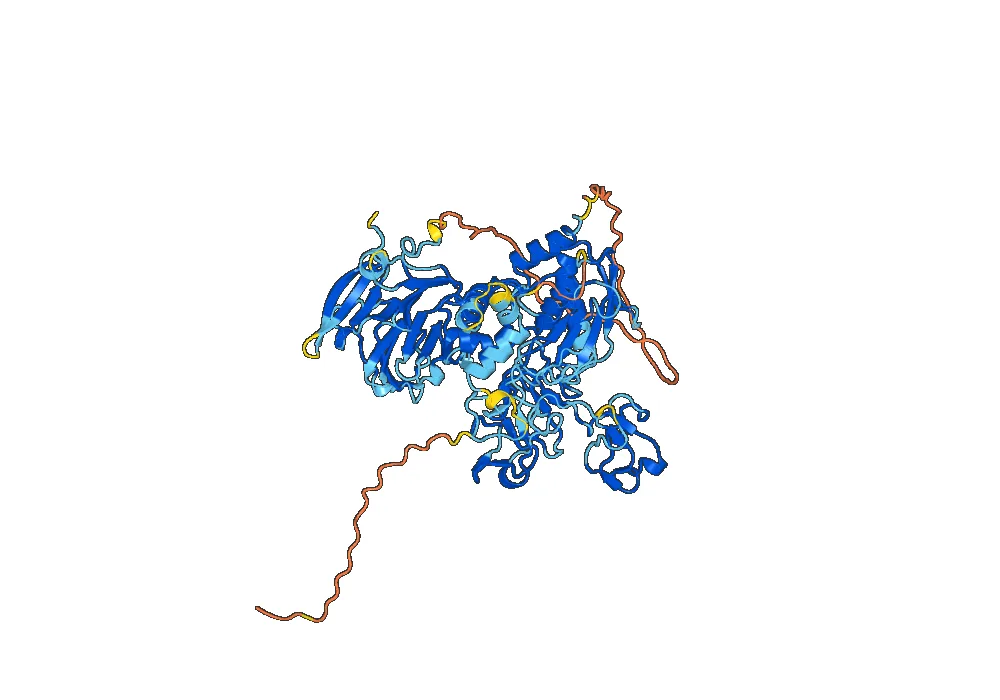
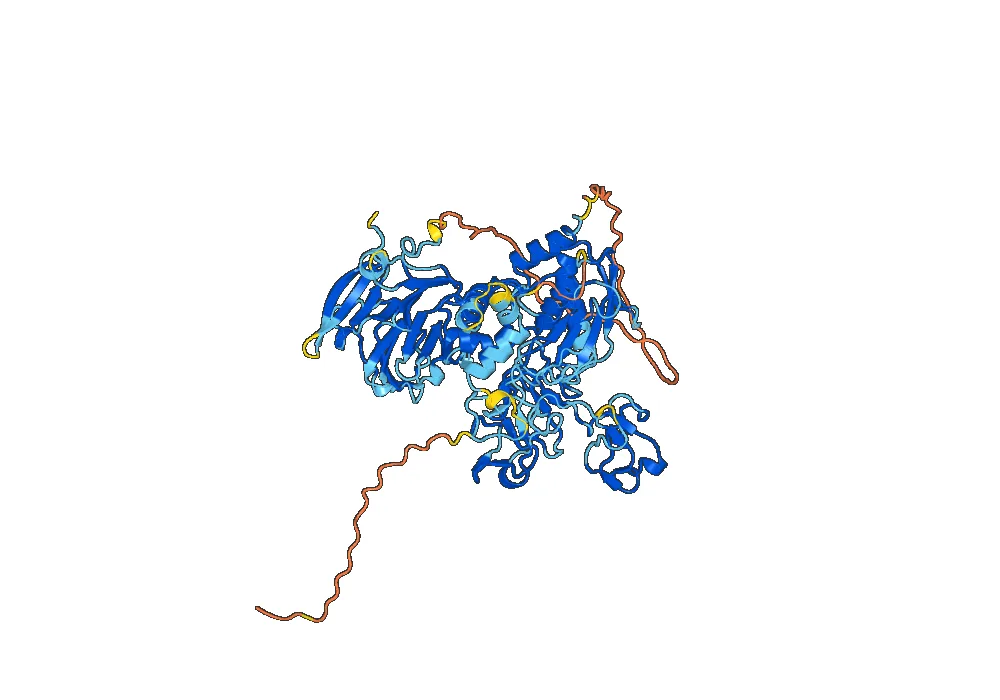
Andecaliximab is a fully human IgG1 monoclonal antibody that specifically binds to the hepatocyte growth factor (HGF) receptor, also known as c-Met. The antibody is composed of two heavy chains and two light chains, each containing a variable and constant region. The variable region is responsible for binding to the target molecule, while the constant region determines the antibody’s effector functions.
The Andecaliximab ELISA Kit utilizes a sandwich enzyme-linked immunosorbent assay (ELISA) format, where the capture antibody is coated on the plate and the detection antibody is labeled with an enzyme. The kit also includes standard curves and controls for accurate quantification of Andecaliximab levels in a sample.
Activity of Andecaliximab
The main function of Andecaliximab is to inhibit the activity of c-Met, a receptor tyrosine kinase involved in cell proliferation, survival, and migration. By binding to c-Met, Andecaliximab blocks the binding of HGF, the natural ligand of c-Met, thereby preventing downstream signaling pathways that promote tumor growth and metastasis.
The activity of Andecaliximab has been demonstrated in preclinical studies, where it has shown to inhibit tumor growth and metastasis in various cancer models, including colorectal, gastric, and lung cancer. In addition, Andecaliximab has been shown to enhance the efficacy of chemotherapy and radiotherapy, making it a promising combination therapy for cancer treatment.
Application of Andecaliximab
The Andecaliximab ELISA Kit has numerous applications in both research and clinical settings. In research, the kit can be used to measure the levels of Andecaliximab in biological samples, such as serum, plasma, and tissue homogenates. This information can be used to assess the pharmacokinetics and pharmacodynamics of Andecaliximab in preclinical and clinical studies.
In clinical settings, the Andecaliximab ELISA Kit can be used for patient monitoring and stratification. By measuring the levels of Andecaliximab in patients, clinicians can determine the optimal dosage and treatment schedule for each individual, leading to improved treatment outcomes. Additionally, the kit can also be used to assess the response to therapy and monitor for potential adverse effects.
Moreover, the Andecaliximab ELISA Kit can also be used for drug development and quality control. By accurately quantifying Andecaliximab levels, researchers can evaluate the stability and potency of the antibody during manufacturing and storage, ensuring the quality and consistency of the final product.
Conclusion
The Andecaliximab ELISA Kit is a valuable tool for studying the structure, activity, and application of this therapeutic antibody. With its accurate and reliable results, this kit can aid in the development and optimization of Andecaliximab-based therapies, ultimately leading to improved outcomes for cancer patients.
There are no reviews yet.