Introduction to Alnuctamab Biosimilar – A Novel Anti-TNFRSF17,CD3E mAb
Alnuctamab Biosimilar, also known as Anti-TNFRSF17,CD3E mAb, is a novel monoclonal antibody that has recently gained attention in the field of immunotherapy. This biosimilar is a promising therapeutic agent for the treatment of various diseases, as it targets two important receptors involved in immune response – TNFRSF17 and CD3E. In this article, we will discuss the structure, activity, and potential applications of Alnuctamab Biosimilar in detail.
Structure of Alnuctamab Biosimilar
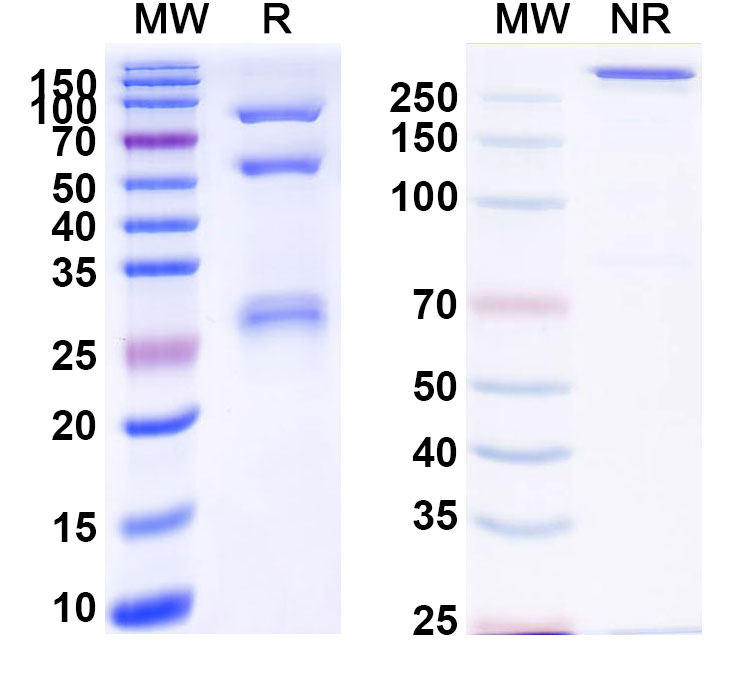
Alnuctamab Biosimilar is a monoclonal antibody that is produced by recombinant DNA technology. It is a chimeric antibody, meaning it is composed of both human and murine components. The antibody is composed of two heavy chains and two light chains, each with a variable region that recognizes and binds to specific targets. The variable regions of Alnuctamab Biosimilar are designed to target TNFRSF17 and CD3E receptors, making it a highly specific and effective therapeutic agent.
Activity of Alnuctamab Biosimilar
Alnuctamab Biosimilar works by binding to the TNFRSF17 and CD3E receptors, which are found on the surface of immune cells. TNFRSF17, also known as BCMA, is a receptor that is involved in the survival and proliferation of B cells, while CD3E is a receptor found on T cells that plays a crucial role in the activation of these cells. By targeting these receptors, Alnuctamab Biosimilar can modulate the immune response and potentially treat various diseases.
Applications of Alnuctamab Biosimilar
Alnuctamab Biosimilar is being studied for its potential use in the treatment of multiple myeloma, a type of cancer that affects plasma cells in the bone marrow. TNFRSF17 is highly expressed on the surface of myeloma cells, making it a promising therapeutic target. Studies have shown that Alnuctamab Biosimilar can effectively target and kill myeloma cells, making it a potential treatment option for this disease.
In addition to multiple myeloma, Alnuctamab Biosimilar is also being investigated for its potential use in other B cell malignancies, such as non-Hodgkin’s lymphoma and chronic lymphocytic leukemia. These diseases also express high levels of TNFRSF17, making Alnuctamab Biosimilar a promising therapeutic option.
Furthermore, Alnuctamab Biosimilar has shown potential in the treatment of autoimmune diseases. By targeting the CD3E receptor on T cells, this biosimilar can modulate the immune response and potentially treat diseases such as rheumatoid arthritis and psoriasis.
Research Grade Alnuctamab Biosimilar
In addition to its potential therapeutic applications, Alnuctamab Biosimilar is also available in a research grade form. This allows for further studies and research to be conducted on this novel antibody. Research grade Alnuctamab Biosimilar can be used in various in vitro and in vivo experiments to further understand its mechanism of action and potential applications.
Conclusion
In conclusion, Alnuctamab Biosimilar is a promising monoclonal antibody that targets TNFRSF17 and CD3E receptors. Its unique structure and mechanism of action make it a potential treatment option for various diseases, including multiple myeloma, B cell malignancies, and autoimmune diseases. With ongoing research and development, this biosimilar has the potential to make a significant impact in the field of immunotherapy.
There are no reviews yet.