Aldafermin Biosimilar: A Promising Antibody Targeting FGF19 for Therapeutic Applications
Aldafermin Biosimilar, also known as Anti-FGF19, is a novel antibody-based therapeutic agent that has been developed as a biosimilar of the drug Aldafermin. This biosimilar is designed to target and inhibit the activity of fibroblast growth factor 19 (FGF19), a protein that plays a crucial role in various physiological processes, including cell growth and metabolism. In this article, we will explore the structure, activity, and potential applications of Aldafermin Biosimilar in the field of medicine.
Structure of Aldafermin Biosimilar
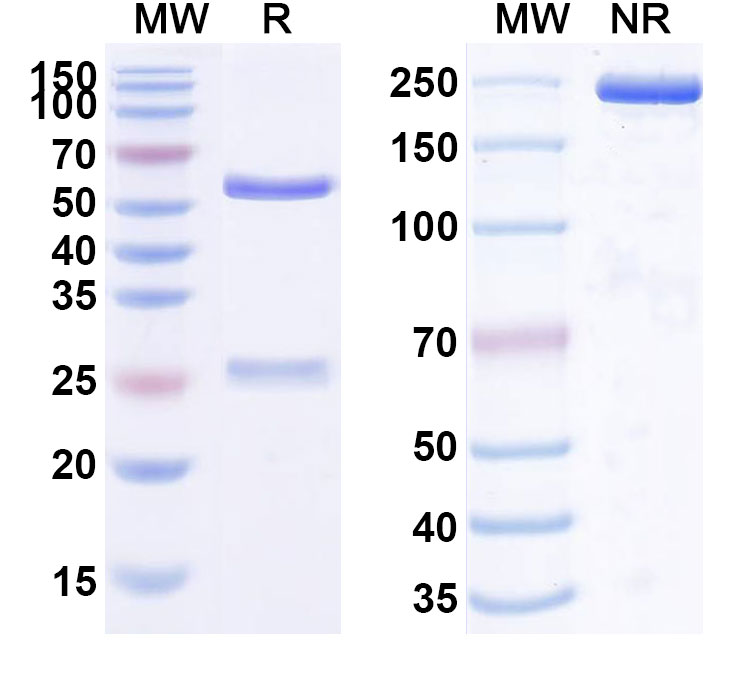
Aldafermin Biosimilar is a monoclonal antibody, meaning it is produced from a single type of immune cell. It is composed of two identical heavy chains and two identical light chains, which are connected by disulfide bonds. The heavy chains contain a variable region that is responsible for binding to FGF19, while the constant region provides stability and effector functions. The light chains also have a variable region that contributes to antigen binding, and a constant region that aids in antibody structure and function.
The structure of Aldafermin Biosimilar is similar to that of the original drug, Aldafermin, which is a recombinant human monoclonal antibody. However, Aldafermin Biosimilar is produced using different cell lines and manufacturing processes, making it a more cost-effective alternative to the original drug.
Activity of Aldafermin Biosimilar
The main activity of Aldafermin Biosimilar is to bind to FGF19 and inhibit its function. FGF19 is a member of the fibroblast growth factor family, which consists of 22 different proteins that regulate cell growth, differentiation, and survival. FGF19 specifically plays a role in bile acid synthesis, glucose and lipid metabolism, and liver regeneration.
However, excessive FGF19 activity has been linked to various diseases, including liver cancer, obesity, and type 2 diabetes. By targeting and inhibiting FGF19, Aldafermin Biosimilar can potentially help in the treatment of these conditions.
In addition to its inhibitory activity, Aldafermin Biosimilar also has effector functions that can trigger the immune system to destroy FGF19-expressing cells. This makes it a potential treatment for FGF19-positive cancers, such as liver cancer.
Applications of Aldafermin Biosimilar
Due to its ability to target and inhibit FGF19, Aldafermin Biosimilar has a wide range of potential applications in the field of medicine. Some of these include:
Treatment of Liver Diseases As mentioned earlier, FGF19 plays a role in bile acid synthesis and liver regeneration. By inhibiting its activity, Aldafermin Biosimilar can potentially help in the treatment of liver diseases such as non-alcoholic fatty liver disease (NAFLD) and non-alcoholic steatohepatitis (NASH). These conditions are characterized by excessive liver fat accumulation, inflammation, and fibrosis, and can lead to more severe liver diseases, such as cirrhosis and liver cancer.
Treatment of Metabolic Disorders
FGF19 also plays a role in glucose and lipid metabolism. By inhibiting its activity, Aldafermin Biosimilar can potentially improve glucose control and lipid levels in patients with metabolic disorders, such as type 2 diabetes and hyperlipidemia.
Treatment of FGF19-Positive Cancers
As mentioned earlier, Aldafermin Biosimilar has effector functions that can trigger the immune system to destroy FGF19-expressing cells. This makes it a potential treatment for FGF19-positive cancers, such as liver cancer. In fact, a phase 1 clinical trial is currently underway to evaluate the safety and



There are no reviews yet.