Cart (0 Items)
Your cart is currently empty.
View ProductsIt looks like you are visiting from outside the EU. Switch to the US version to see local pricing in USD and local shipping.
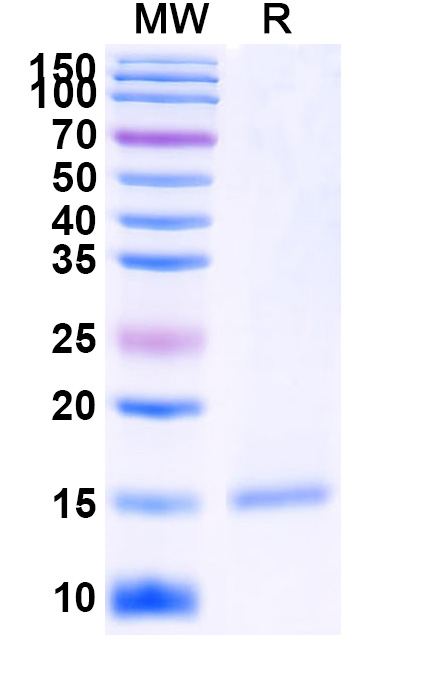
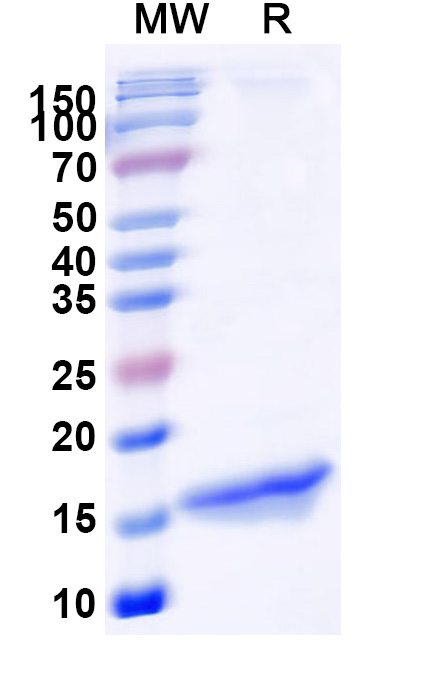
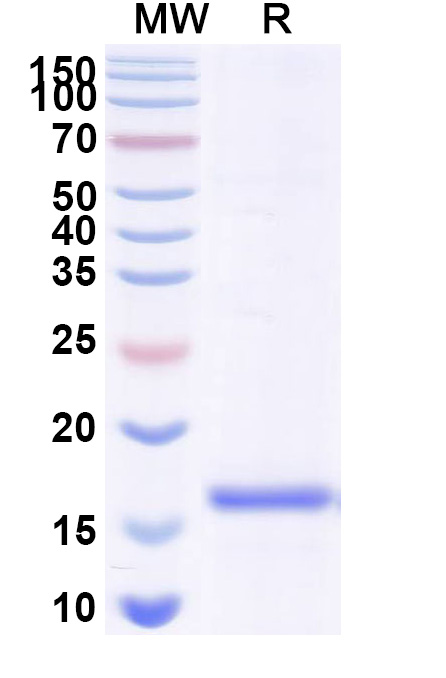
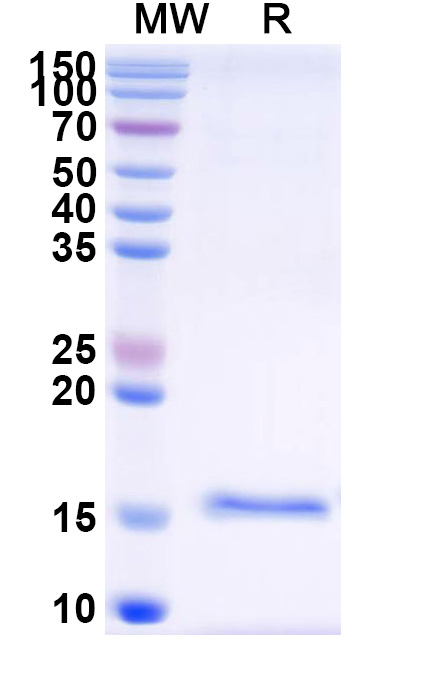
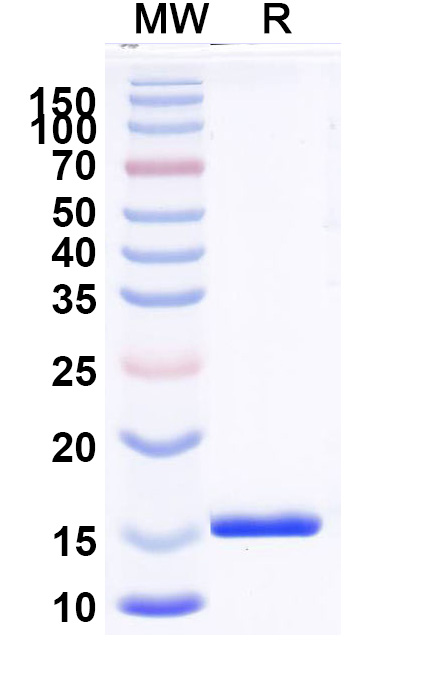
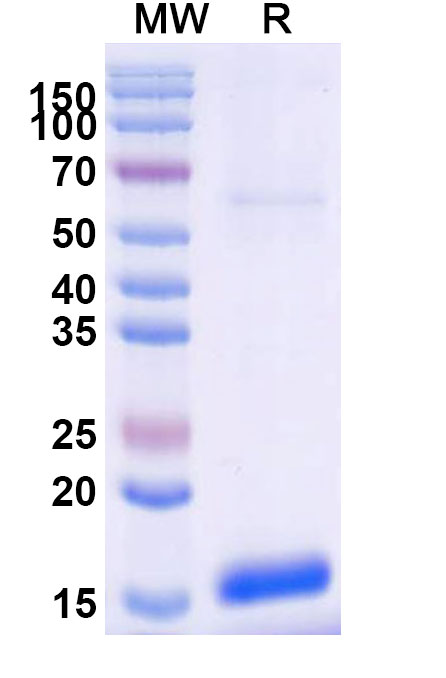
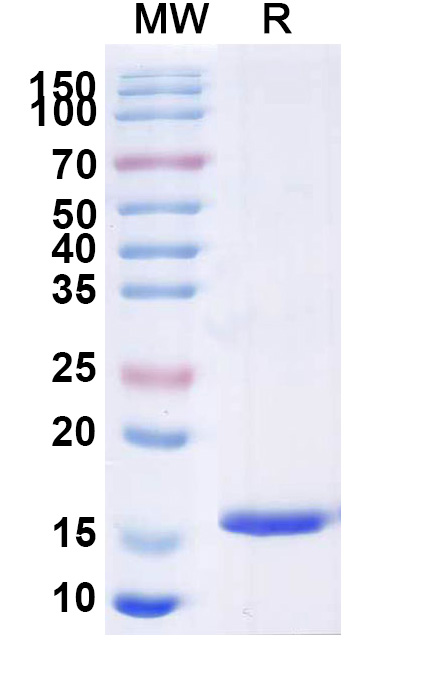
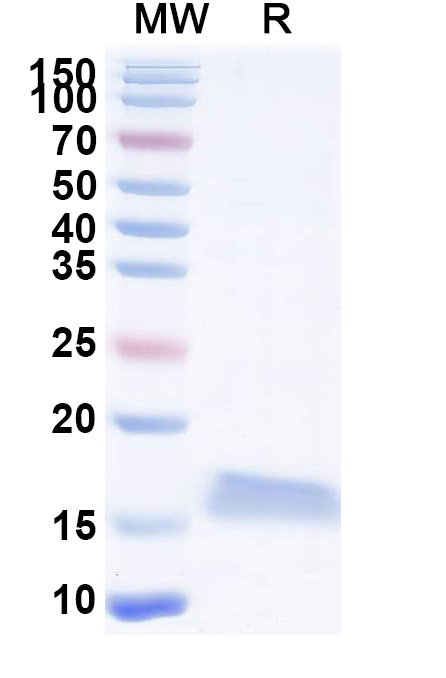
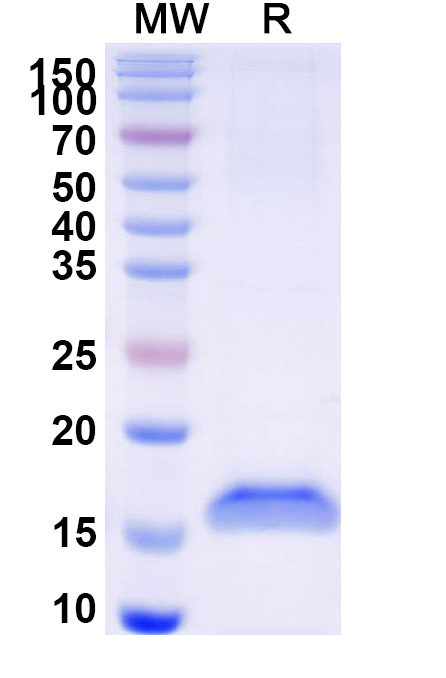
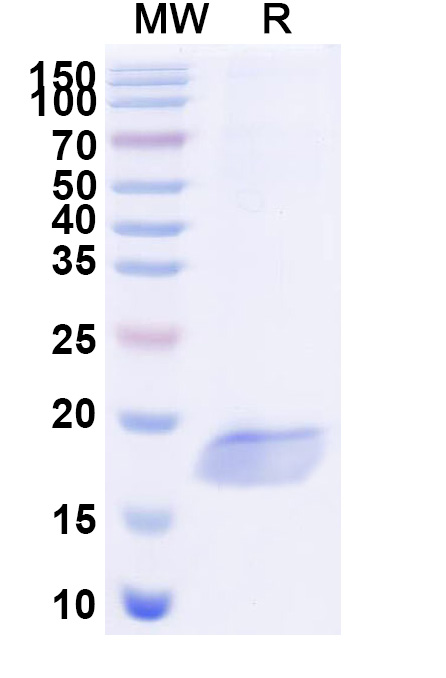
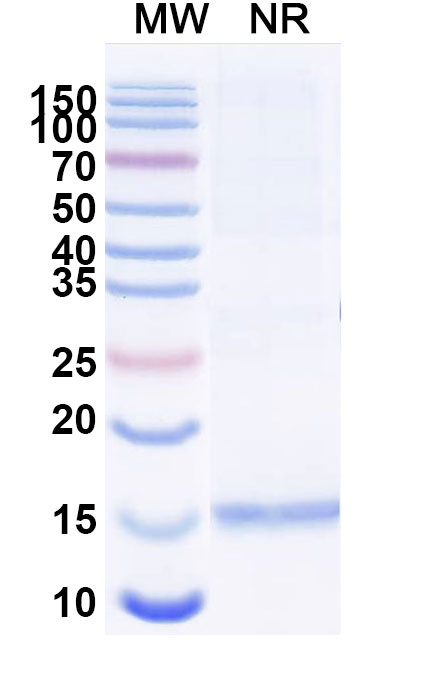
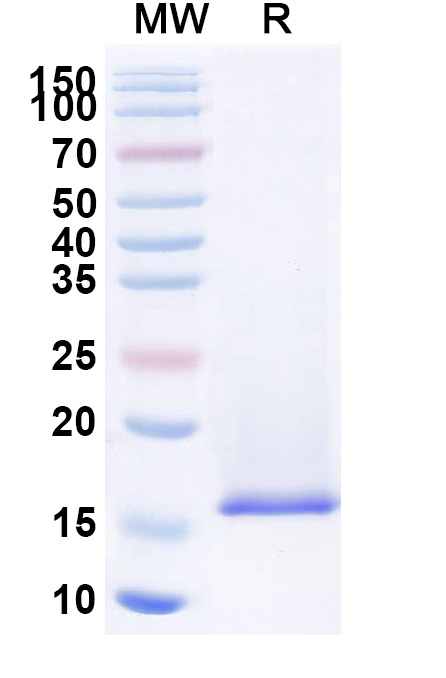
Switch to US ($)VHH constructs are a type of antibody-like proteins that are smaller than conventional antibodies. They are derived from single-domain heavy chain antibodies found in camelids, such as llamas and alpacas. VHH molecules have a molecular weight of approximately 15 kDa, which is approximately one-tenth the size of conventional antibodies.
VHH molecules are produced using a variety of techniques, including phage display, recombinant DNA technology, and immunization. Phage display is a technique in which a phage (a virus that infects bacteria) is used to display a large number of VHH proteins on its surface. The VHH molecules are then identified and selected based on their ability to bind to a specific target antigen. Recombinant DNA technology is used to produce VHH constructs in a laboratory setting. Immunization is a technique in which animals are injected with a target antigen, which stimulates the production of VHH proteins in the animal’s immune system.
VHH molecules have a variety of applications in biotechnology and medicine. They can be used to detect and diagnose diseases, to target and deliver drugs, to image tissues and organs, and to study the structure and function of proteins. They can also be used to develop vaccines and to improve the efficiency of bioprocesses.
VHH molecules have several advantages over conventional antibodies. They are smaller and more stable, which makes them easier to produce and manipulate. They can also bind to targets with higher specificity and affinity than conventional antibodies. In addition, they can be produced in large quantities in a relatively short amount of time.
ProteoGenix is a leading provider of VHH proteins and related services. The company offers a wide range of VHH for research applications, as well as custom vhh production services. ProteoGenix VHH molecules are produced using a combination of phage display, recombinant DNA technology, and immunization techniques. All of their vhh are of the highest quality and are rigorously tested for accuracy and specificity.