Introduction
Xirestomig Biosimilar is a promising therapeutic antibody that targets the tumor necrosis factor receptor superfamily member 9 (TNFRSF9) and CD274, also known as programmed death-ligand 1 (PD-L1). This biosimilar is a research grade antibody that has shown great potential in the treatment of various diseases, particularly cancer. In this article, we will discuss the structure, activity, and potential applications of Xirestomig Biosimilar.
Structure of Xirestomig Biosimilar
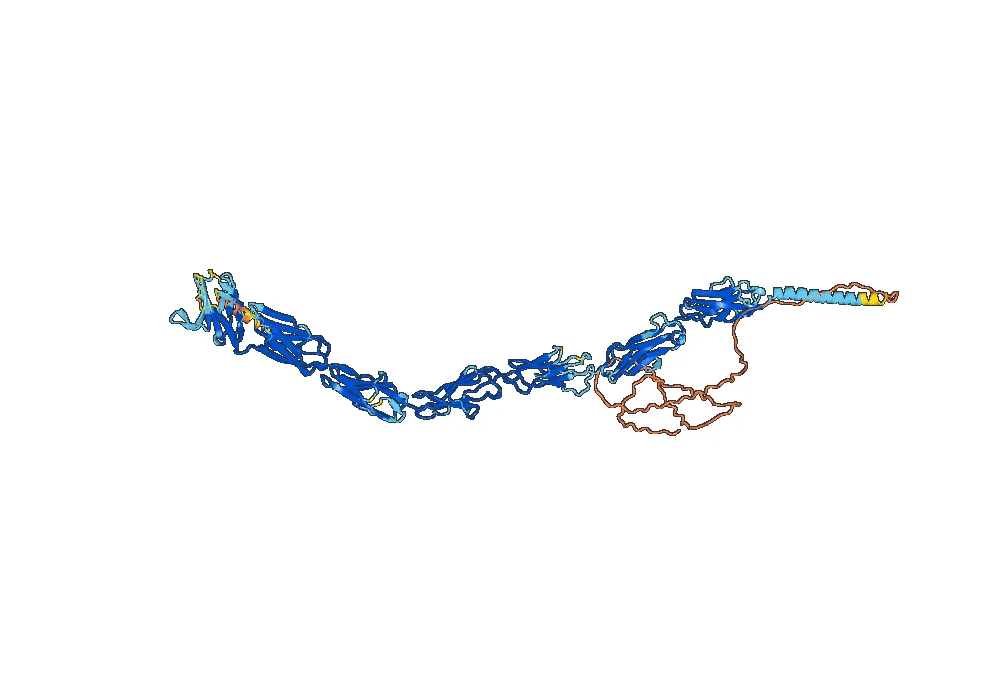
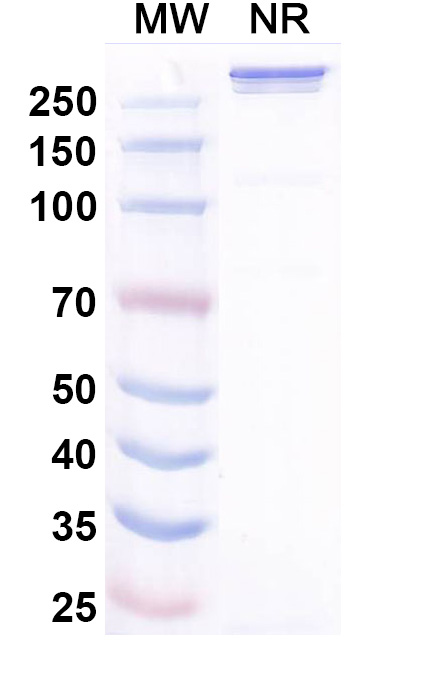
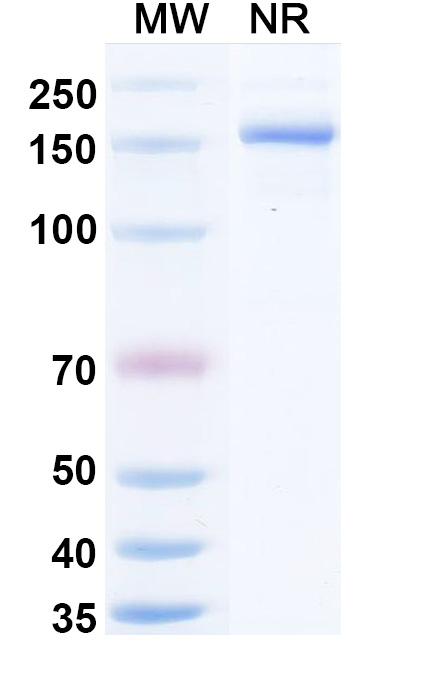
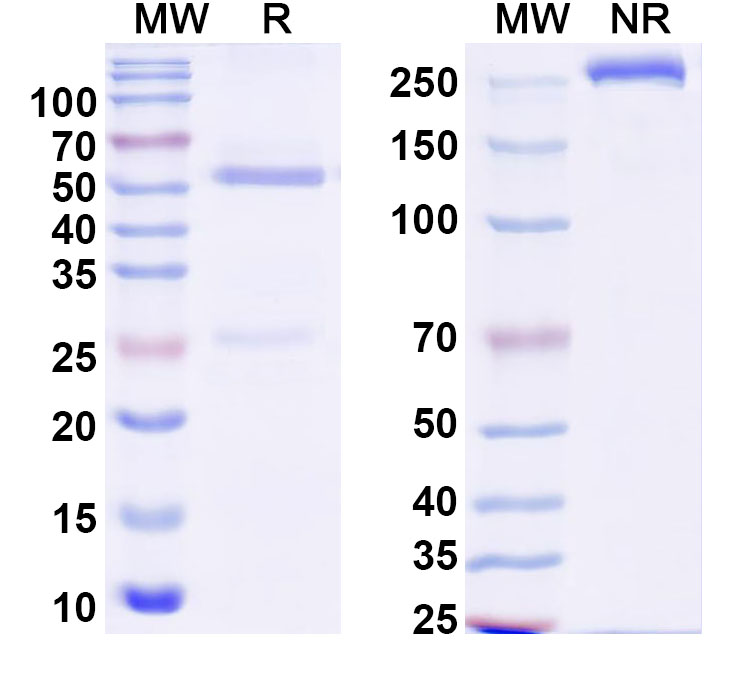
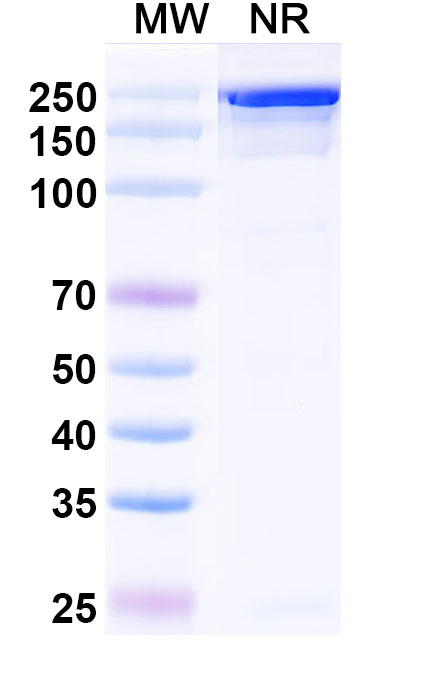
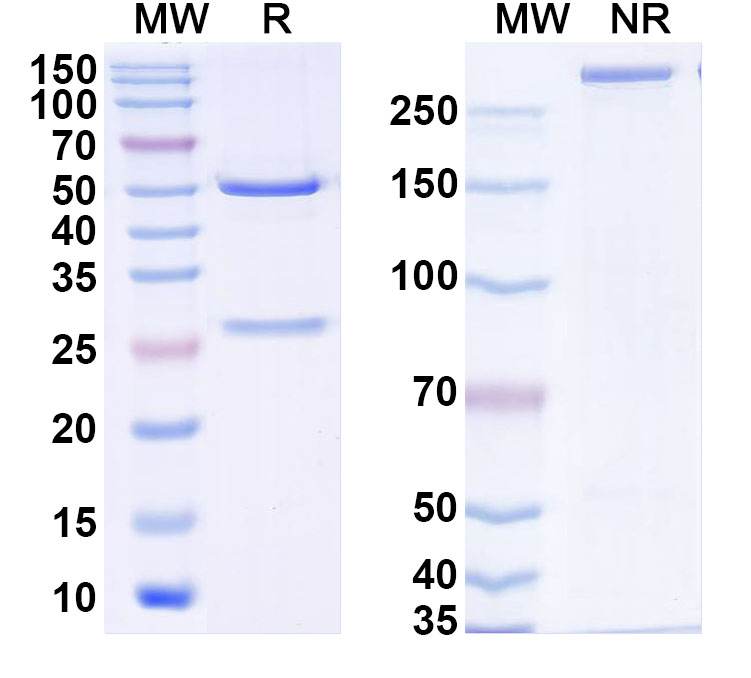
Xirestomig Biosimilar is a monoclonal antibody, meaning it is produced by a single clone of cells. It is a fully humanized antibody, meaning it is derived from human cells and has a high affinity for its target. The antibody has a molecular weight of approximately 150 kDa and is composed of two identical heavy chains and two identical light chains. These chains are linked together by disulfide bonds, forming a Y-shaped structure.
Activity of Xirestomig Biosimilar
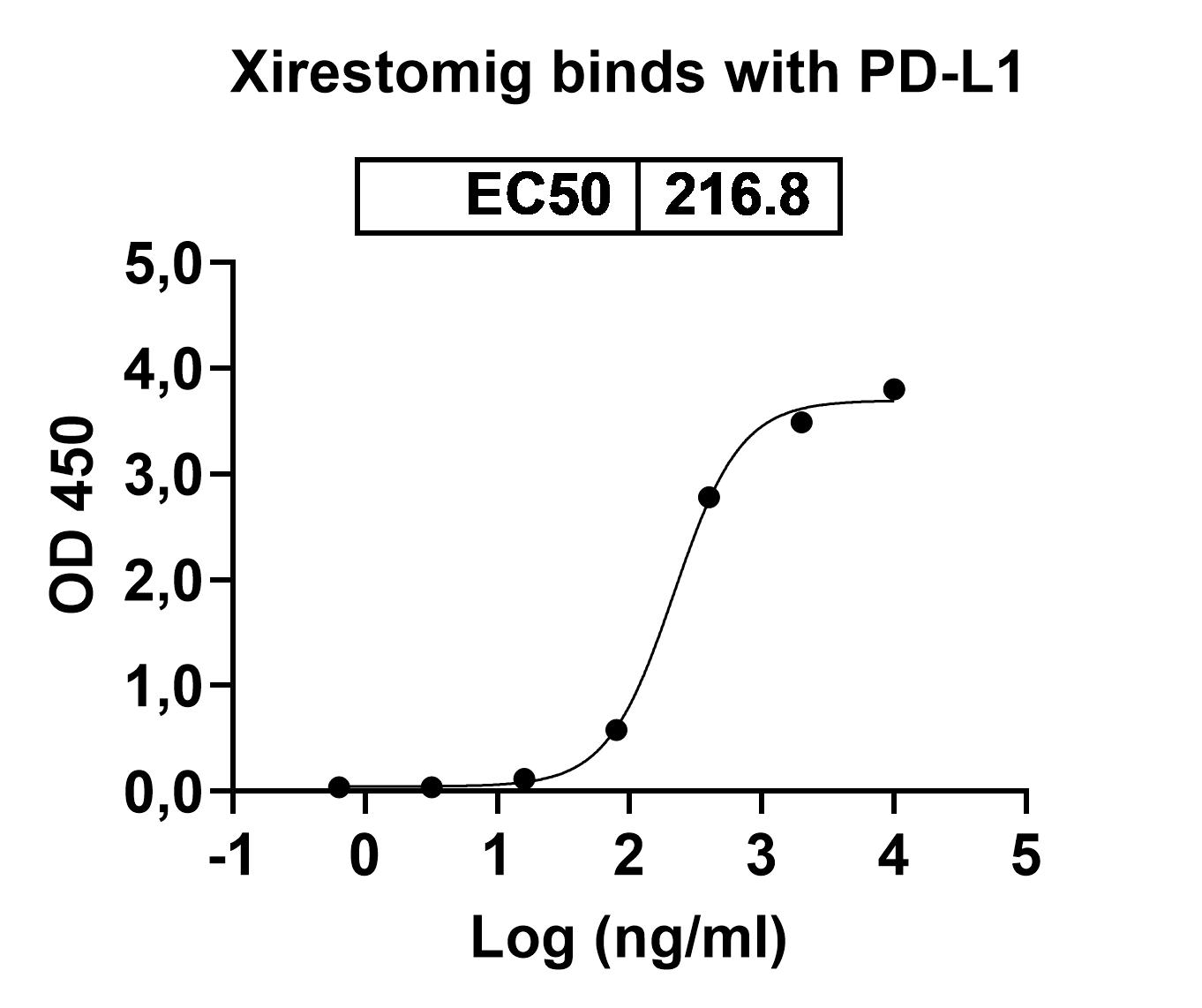
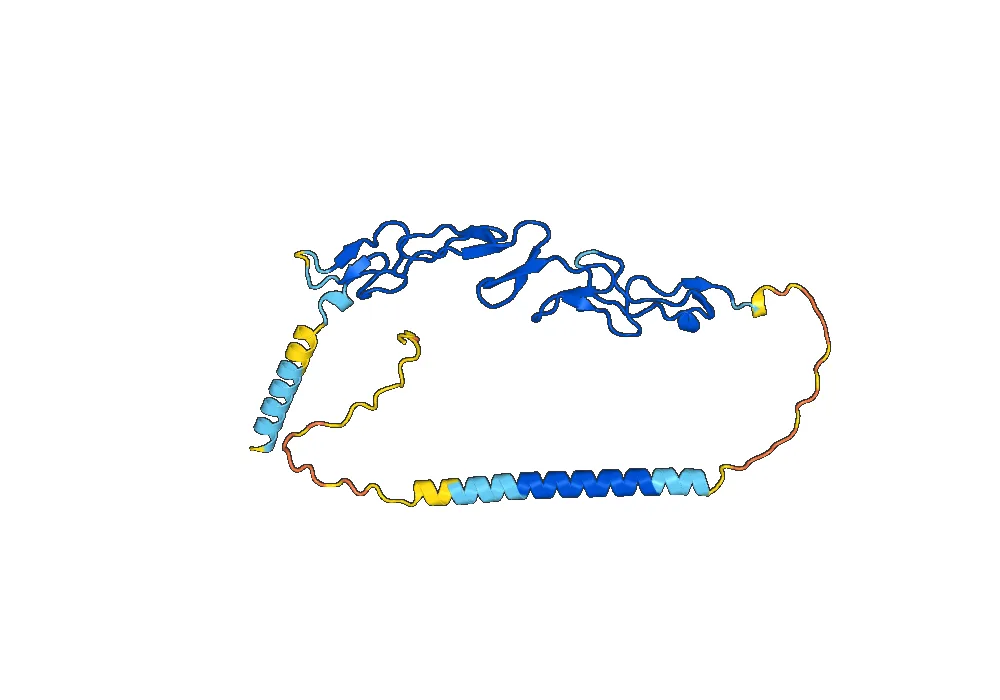
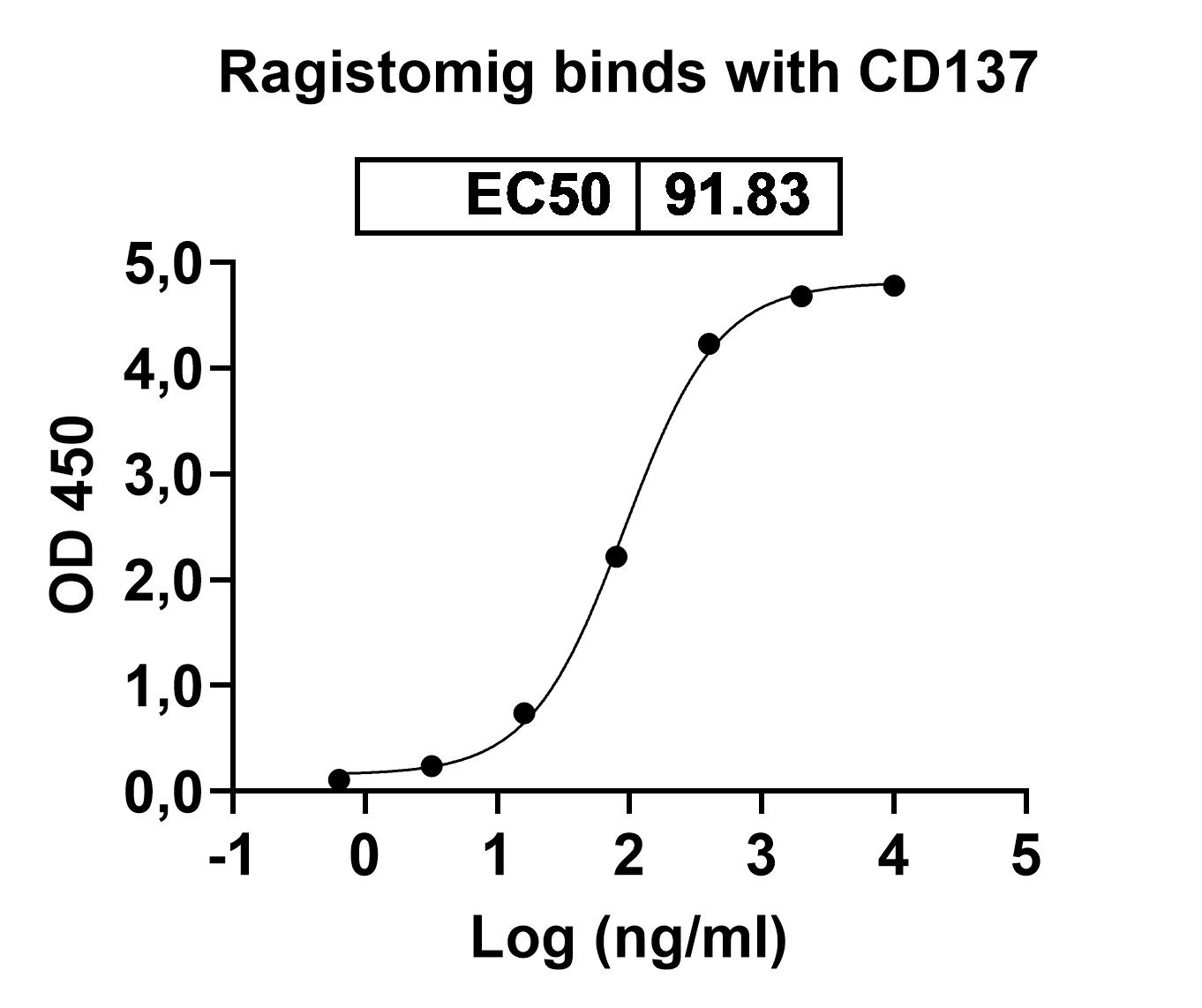
Xirestomig Biosimilar specifically targets TNFRSF9 and CD274, both of which are important therapeutic targets in various diseases. TNFRSF9 is a cell surface receptor that is involved in the regulation of immune responses, while CD274 is a ligand for programmed cell death protein 1 (PD-1). Both of these targets play crucial roles in the regulation of immune responses and have been implicated in the development and progression of cancer.
By binding to TNFRSF9 and CD274, Xirestomig Biosimilar inhibits their activity and disrupts the signaling pathways that promote cancer growth and survival. This leads to increased activation of immune cells and a reduction in tumor growth. Additionally, the binding of Xirestomig Biosimilar to CD274 prevents its interaction with PD-1, thus preventing the inhibition of immune responses.
Applications of Xirestomig Biosimilar
Xirestomig Biosimilar has shown promising results in preclinical studies and is currently being evaluated in clinical trials for the treatment of various types of cancer. It has been shown to be effective in inhibiting tumor growth and increasing the survival of cancer patients. In particular, Xirestomig Biosimilar has shown potential in the treatment of lung cancer, melanoma, and bladder cancer.
In addition to its potential in cancer treatment, Xirestomig Biosimilar also has potential in other diseases where TNFRSF9 and CD274 play a role. These include autoimmune diseases such as rheumatoid arthritis, inflammatory bowel disease, and multiple sclerosis. By targeting these receptors, Xirestomig Biosimilar can modulate immune responses and potentially provide relief for patients suffering from these diseases.
Conclusion
In summary, Xirestomig Biosimilar is a promising therapeutic antibody that targets TNFRSF9 and CD274. Its structure, activity, and potential applications make it a valuable tool in the treatment of cancer and other diseases where these receptors are involved. Further research and clinical trials will provide more insights into the efficacy and safety of Xirestomig Biosimilar, but it holds great potential for improving the lives of patients with various diseases.

There are no reviews yet.