Title: Understanding Votumumab Biosimilar: A Promising Antibody for Targeting Carcinoma-Associated Antigen CTAA16
Introduction:
Votumumab Biosimilar, also known as anti-carcinoma associated antigen CTAA16 mAb, is a novel antibody that has shown promising potential in the field of cancer therapy. This biosimilar is a research grade version of the original Votumumab, a monoclonal antibody developed by scientists at the National Cancer Institute (NCI) in the United States. In this article, we will explore the structure, activity, and potential applications of Votumumab Biosimilar in the treatment of cancer.
Structure of Votumumab Biosimilar:
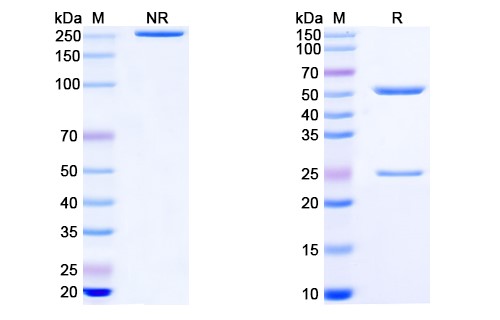
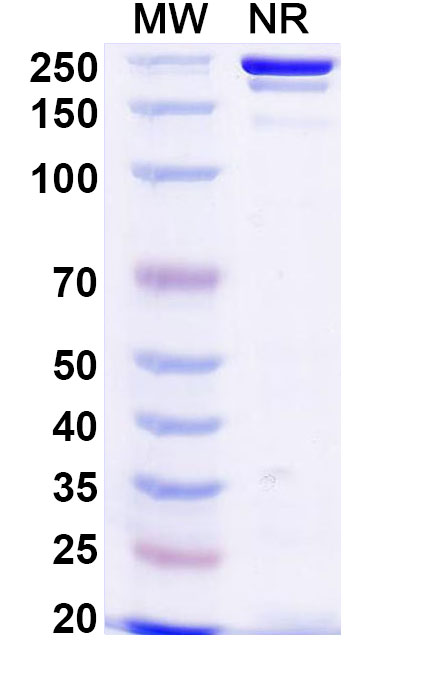
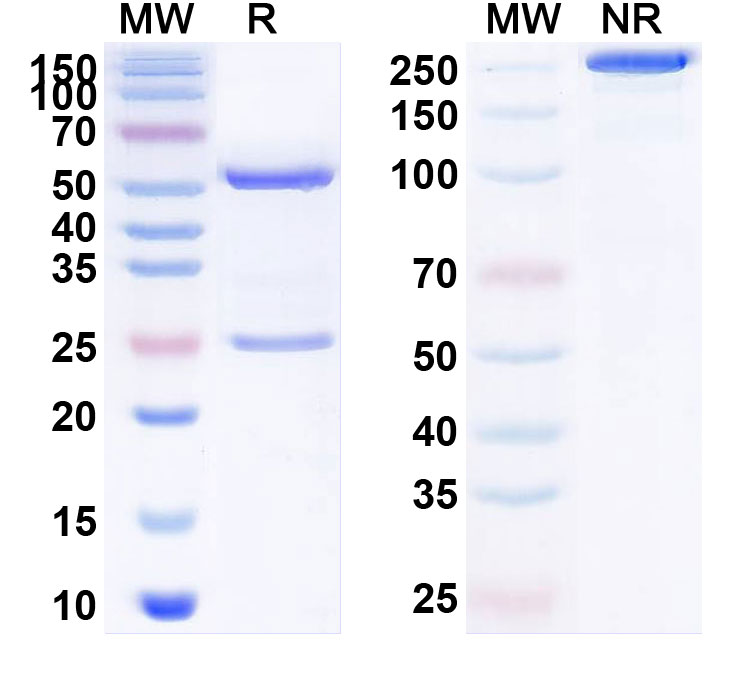
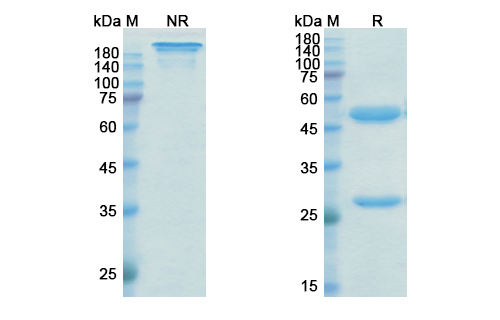
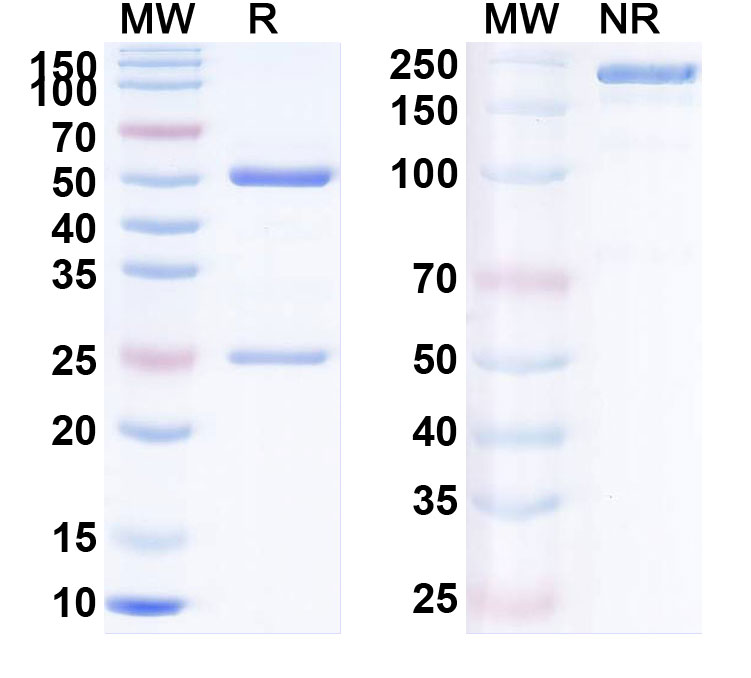
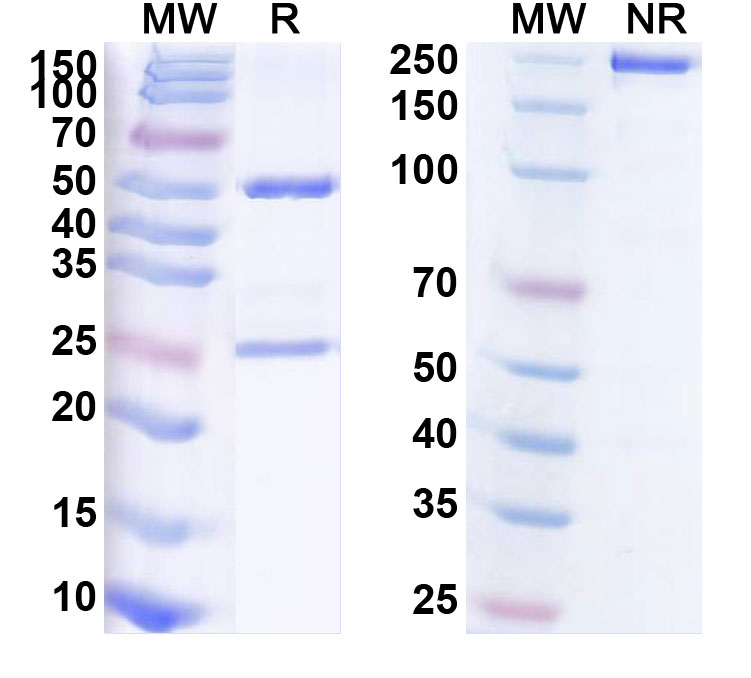
Votumumab Biosimilar is a humanized monoclonal antibody, meaning that it is derived from human cells and has been modified to reduce its immunogenicity. It is composed of two identical heavy chains and two identical light chains, each containing a variable region and a constant region. The variable regions are responsible for binding to the target antigen, while the constant regions determine the antibody’s effector functions.
Activity of Votumumab Biosimilar:
Votumumab Biosimilar specifically targets the carcinoma-associated antigen CTAA16, which is overexpressed in various types of cancer, including breast, lung, and colorectal cancer. This antigen is a cell surface protein that plays a crucial role in promoting tumor growth and metastasis. By binding to CTAA16, Votumumab Biosimilar blocks its activity and triggers a series of immune responses that lead to the destruction of cancer cells.
In addition to its direct anti-tumor effects, Votumumab Biosimilar also has immune-modulating properties. It can activate immune cells such as natural killer cells and macrophages, which play a crucial role in eliminating cancer cells. Moreover, Votumumab Biosimilar can enhance the production of cytokines, which are signaling molecules that regulate immune responses.
Potential Applications of Votumumab Biosimilar:
Votumumab Biosimilar has shown promising results in preclinical studies, demonstrating its potential as a therapeutic agent for various types of cancer. It has been found to be effective in inhibiting tumor growth and metastasis in animal models of breast, lung, and colorectal cancer. Moreover, Votumumab Biosimilar has also shown synergistic effects when combined with other anti- cancer therapies, such as chemotherapy and radiation therapy.
The potential applications of Votumumab Biosimilar are not limited to its use as a monotherapy. It can also be used in combination with other targeted therapies, such as immune checkpoint inhibitors, to enhance their anti-tumor effects. Furthermore, Votumumab Biosimilar can also be used in the development of diagnostic tools for detecting CTAA16 expression in cancer patients.
Conclusion:
In conclusion, Votumumab Biosimilar is a promising antibody that specifically targets the carcinoma-associated antigen CTAA16. Its unique structure and activity make it a potential therapeutic option for various types of cancer. Further research and clinical trials are needed to fully explore the potential of Votumumab Biosimilar in the treatment of cancer. However, its potential as a targeted therapy and its ability to enhance immune responses make it a promising candidate for future cancer treatments.

There are no reviews yet.