Vatreptacog alfa Biosimilar – Anti-FVIIa Mutant Version (FVIIaDVQ) fusion protein – Research Grade: A Promising Antibody for Therapeutic Targeting Vatreptacog alfa Biosimilar, also known as Anti-FVIIa Mutant Version (FVIIaDVQ) fusion protein, is a novel therapeutic antibody that shows great potential in treating various diseases. This biosimilar is a fusion protein that combines the binding specificity of an antibody with the activity of a clotting factor, making it a unique and powerful therapeutic agent.
Structure of Vatreptacog alfa Biosimilar
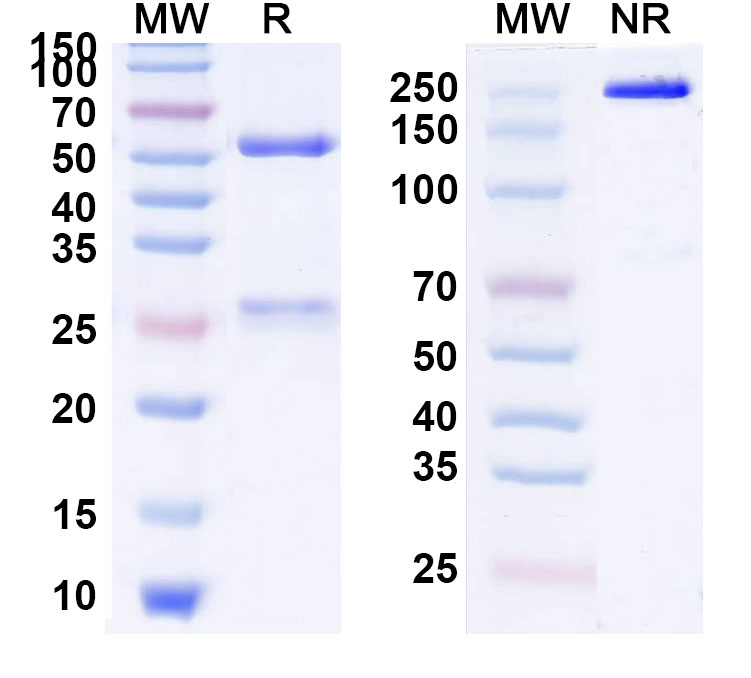
Vatreptacog alfa Biosimilar is a recombinant fusion protein composed of two parts – the antibody and the clotting factor. The antibody portion is derived from a monoclonal antibody that specifically binds to Factor VIIa (FVIIa), a key protein involved in the blood clotting cascade. This antibody is then fused with a mutant version of FVIIa, known as FVIIaDVQ, which has enhanced stability and prolonged activity compared to the wild-type FVIIa.
The resulting fusion protein has a unique structure, with the antibody portion providing the targeting specificity and the FVIIaDVQ portion providing the clotting activity. This structure allows for precise targeting of FVIIa, while also promoting clot formation at the site of injury.
Activity of Vatreptacog alfa Biosimilar
The main activity of Vatreptacog alfa Biosimilar is its ability to bind to FVIIa with high affinity and inhibit its activity. FVIIa is a key protein involved in the initiation of blood clotting, and its dysregulation has been linked to various diseases, including hemophilia and thrombosis. By binding to FVIIa, Vatreptacog alfa Biosimilar effectively blocks its activity, preventing the formation of blood clots and reducing the risk of thrombotic events.
In addition to its inhibitory activity, Vatreptacog alfa Biosimilar also has pro-coagulant effects due to its FVIIaDVQ component. This allows for the formation of stable blood clots at the site of injury, promoting wound healing and preventing excessive bleeding.
Application of Vatreptacog alfa Biosimilar
Vatreptacog alfa Biosimilar has shown promising results in preclinical studies for the treatment of hemophilia A and B, as well as other bleeding disorders. Its unique structure and dual activity make it a potential alternative to traditional clotting factor replacement therapies, which have limitations such as short half-life and the risk of developing inhibitors.
Furthermore, Vatreptacog alfa Biosimilar has also shown potential in the treatment of thrombotic diseases, as it can effectively inhibit FVIIa and prevent the formation of blood clots. This makes it a promising therapeutic option for patients at high risk of thrombosis, such as those with cardiovascular diseases or undergoing surgery.
Conclusion
In summary, Vatreptacog alfa Biosimilar is a unique fusion protein that combines the targeting specificity of an antibody with the clotting activity of a mutant FVIIa. Its structure, activity, and potential applications make it a promising therapeutic antibody for targeting FVIIa in various diseases. Further research and clinical trials are needed to fully explore the potential of this biosimilar, but it holds great promise in improving the treatment of hemophilia, thrombosis, and other bleeding disorders.

There are no reviews yet.