Introduction
Trinbelimab Biosimilar, also known as Anti-Rhesus D antigen mAb, is a research grade monoclonal antibody that targets the Rhesus D antigen. This antigen is found on the surface of red blood cells and plays a crucial role in the development of hemolytic disease of the newborn (HDN). Trinbelimab Biosimilar has been developed as a potential therapeutic option for the prevention and treatment of HDN, as well as other conditions related to the Rhesus D antigen.
Structure of Trinbelimab Biosimilar
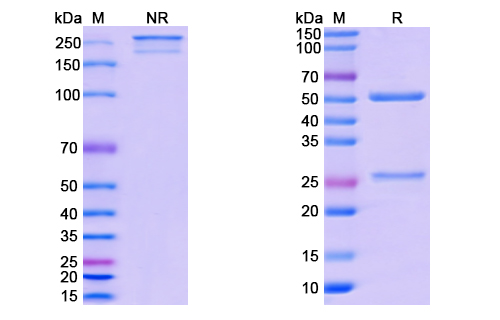
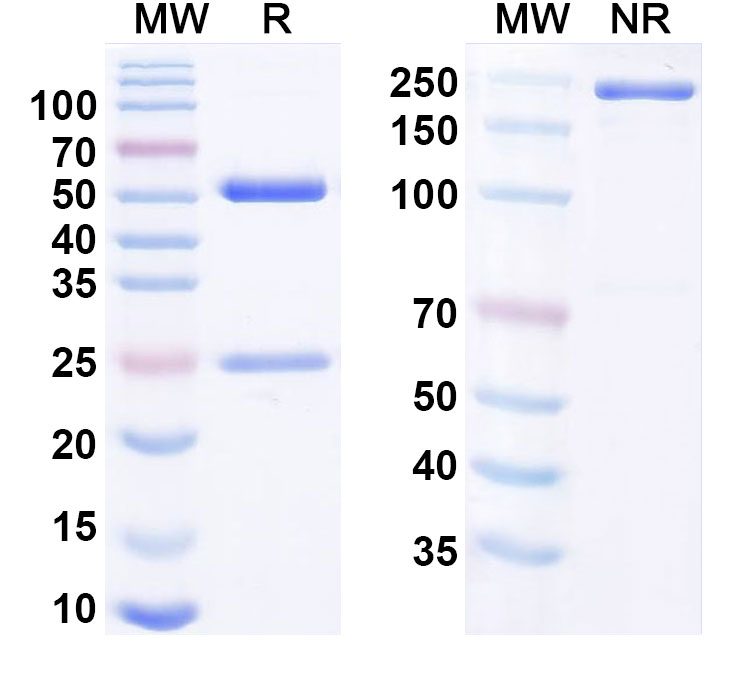
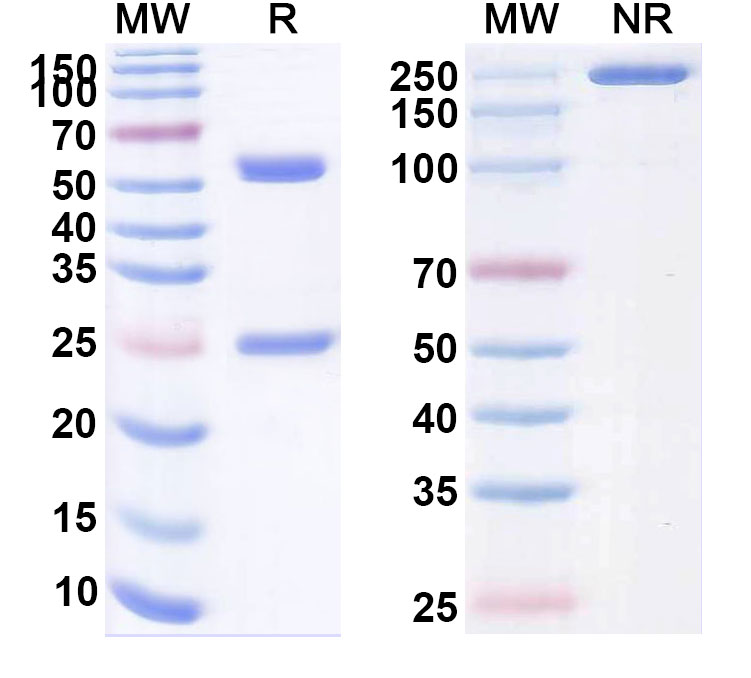
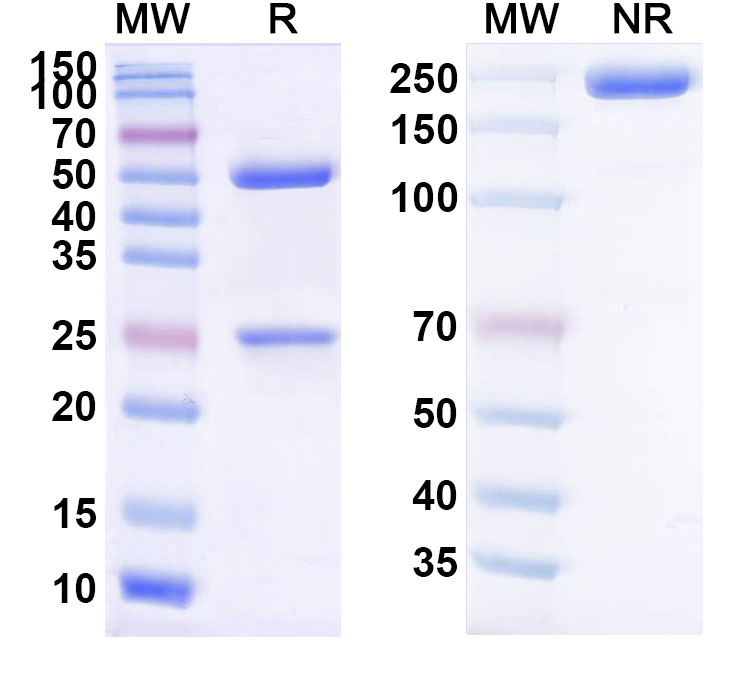
Trinbelimab Biosimilar is a recombinant humanized IgG1 monoclonal antibody, meaning it is derived from human DNA but has been modified to have a more stable structure and longer half-life in the body. It is composed of two identical heavy chains and two identical light chains, each containing a variable region that specifically binds to the Rhesus D antigen. The constant regions of the antibody are responsible for its effector functions, such as activating the immune system to target and destroy cells expressing the Rhesus D antigen.
Activity of Trinbelimab Biosimilar
Trinbelimab Biosimilar works by binding to the Rhesus D antigen on the surface of red blood cells, preventing the antigen from interacting with other molecules in the body. This prevents the activation of the immune system and the subsequent destruction of red blood cells, which is the underlying cause of HDN. Additionally, Trinbelimab Biosimilar can also bind to free Rhesus D antigens in the blood, preventing them from causing harmful immune reactions.
Application of Trinbelimab Biosimilar
Trinbelimab Biosimilar has potential applications in the prevention and treatment of HDN, a condition where the mother’s immune system attacks the red blood cells of the fetus due to incompatibility of the Rhesus D antigen between mother and baby. By administering Trinbelimab Biosimilar to the mother during pregnancy, the antibody can prevent the immune system from attacking the fetus’s red blood cells, thus reducing the risk of HDN.
In addition to HDN, Trinbelimab Biosimilar may also have potential in other conditions related to the Rhesus D antigen, such as autoimmune hemolytic anemia and transfusion reactions. In these conditions, the immune system mistakenly targets and destroys red blood cells, leading to anemia and other complications. Trinbelimab Biosimilar can potentially prevent or reduce the severity of these conditions by blocking the Rhesus D antigen and preventing immune activation.
Conclusion
In summary, Trinbelimab Biosimilar is a research grade monoclonal antibody that specifically targets the Rhesus D antigen. Its structure and activity make it a potential therapeutic option for the prevention and treatment of HDN, as well as other conditions related to the Rhesus D antigen. Further research and clinical trials are needed to fully evaluate the efficacy and safety of Trinbelimab Biosimilar in these applications.
There are no reviews yet.