Introduction
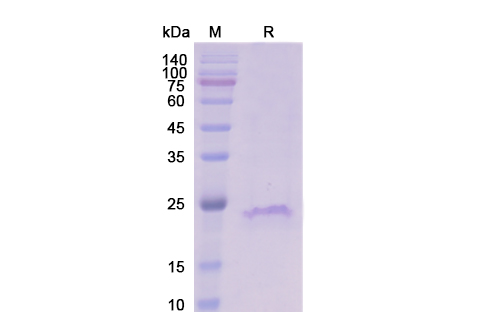
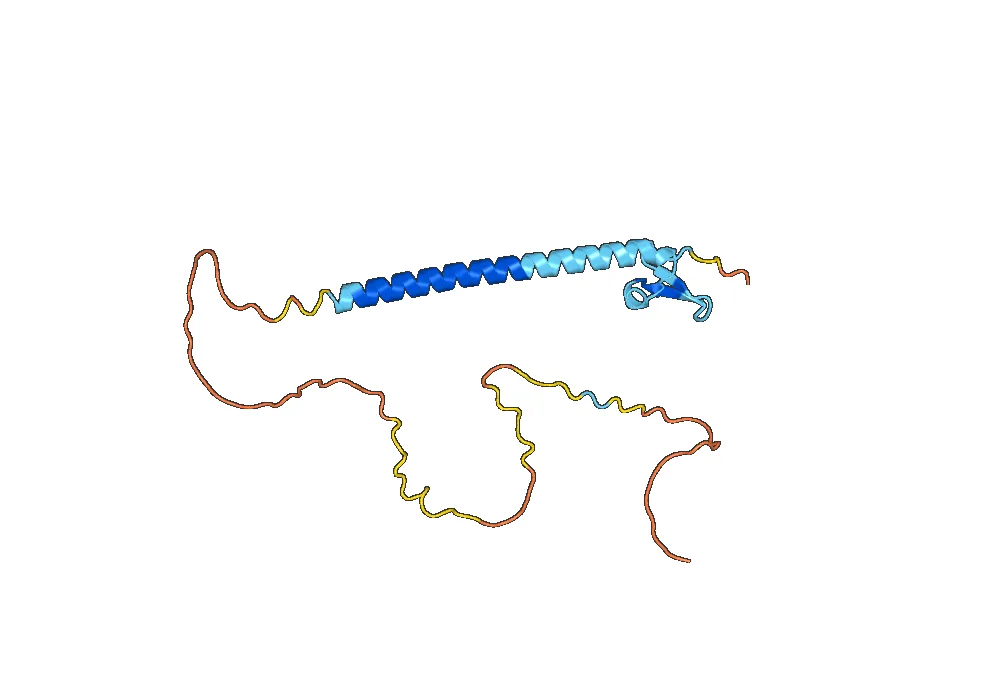
Teclistamab is a novel biosimilar antibody that targets BCMA, a promising therapeutic target in multiple myeloma and other B-cell malignancies. This research grade antibody is designed to specifically bind to the BCMA antigen and activate immune cells to eliminate cancer cells. In this article, we will explore the structure, activity, and potential applications of Teclistamab Biosimilar in the field of cancer treatment.
Structure of Teclistamab Biosimilar
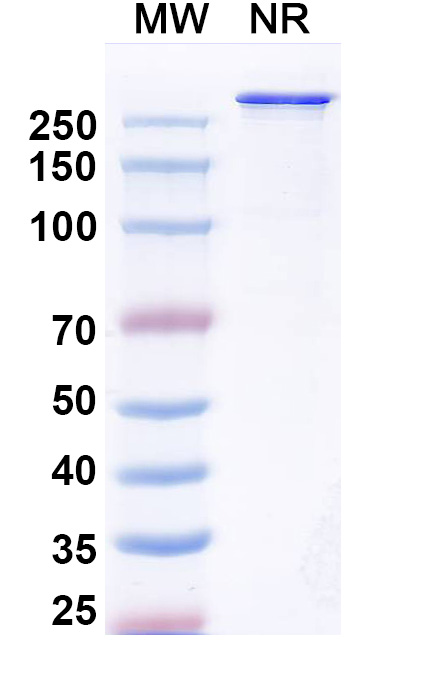
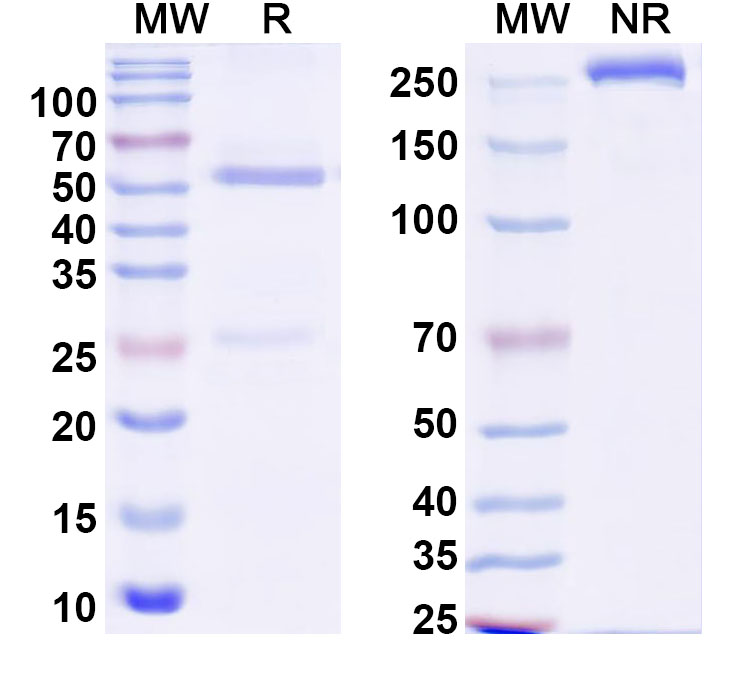
Teclistamab Biosimilar is a chimeric antibody composed of both human and mouse components. It is a bispecific antibody that consists of two binding sites, one for BCMA and the other for CD3. The BCMA binding site is derived from a human antibody, while the CD3 binding site is derived from a mouse antibody. This unique structure allows Teclistamab to simultaneously bind to both BCMA and CD3, leading to the activation of immune cells and subsequent destruction of cancer cells.
Activity of Teclistamab Biosimilar
Teclistamab Biosimilar exerts its activity by targeting BCMA, a cell surface protein that is highly expressed on malignant B-cells. Upon binding to BCMA, Teclistamab activates CD3-positive immune cells, such as T-cells and natural killer cells, through the CD3 binding site. This activation triggers the release of cytotoxic molecules, such as perforin and granzymes, which can directly kill cancer cells. In addition, Teclistamab also induces antibody-dependent cell-mediated cytotoxicity (ADCC), where immune cells are recruited to the site of cancer cells and destroy them through the release of cytotoxic molecules.
Applications of Teclistamab Biosimilar
Teclistamab Biosimilar has shown promising results in preclinical studies and is currently being evaluated in clinical trials for the treatment of multiple myeloma and other B-cell malignancies. As a research grade antibody, Teclistamab Biosimilar is primarily used in laboratory studies to further understand its mechanism of action and potential therapeutic applications. However, with the success of preclinical studies, Teclistamab Biosimilar has the potential to become a valuable addition to the current treatment options for cancer patients.
Targeting BCMA, a highly expressed protein on
cancer cells, Teclistamab Biosimilar has the potential to be an effective treatment for multiple myeloma, a type of cancer that arises from plasma cells in the bone marrow. In addition, BCMA has also been found to be highly expressed in other B-cell malignancies, such as non-Hodgkin’s lymphoma and chronic lymphocytic leukemia, making Teclistamab Biosimilar a potential treatment option for these cancers as well.
Furthermore, Teclistamab Biosimilar has the potential to be used in combination with other therapies, such as chemotherapy and other targeted therapies, to enhance their effectiveness. This is because Teclistamab Biosimilar targets BCMA, a protein that is not affected by common mutations that lead to drug resistance. Therefore, Teclistamab Biosimilar may be able to overcome drug resistance and improve treatment outcomes for cancer patients.
Conclusion
In conclusion, Teclistamab Biosimilar is a promising research grade antibody that targets BCMA, a highly expressed protein on cancer cells. Its unique structure and mechanism of action make it a potential treatment option for multiple myeloma and other B-cell malignancies. Further clinical trials will determine the safety and efficacy of Teclistamab Biosimilar in cancer treatment, and it has the potential to become a valuable addition to the current arsenal of cancer therapies.
There are no reviews yet.