Introduction
Sphingomab Biosimilar, also known as Anti-S1P mAb, is a monoclonal antibody that has been developed as a biosimilar to the original Sphingomab, a therapeutic antibody targeting the sphingosine-1-phosphate (S1P) receptor. This biosimilar has been designed to have similar structure, activity, and application as the original Sphingomab, while also providing a more cost-effective option for research purposes. In this article, we will explore the structure, activity, and application of Sphingomab Biosimilar in detail.
Structure of Sphingomab Biosimilar
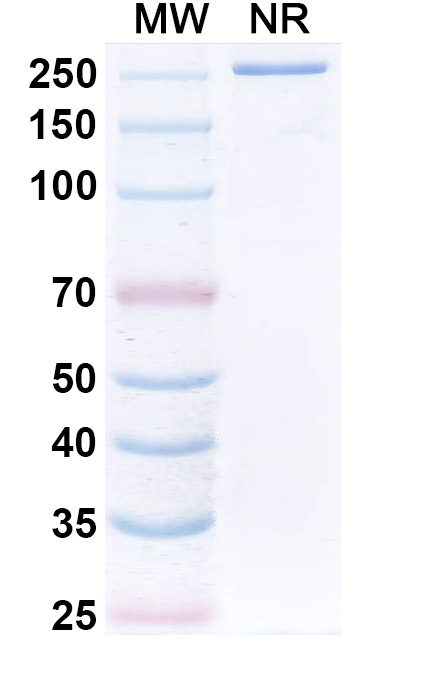
Sphingomab Biosimilar is a monoclonal antibody that is composed of two heavy chains and two light chains, linked together by disulfide bonds. The heavy chains consist of constant and variable regions, while the light chains only have variable regions. The variable regions of both the heavy and light chains are responsible for binding to the S1P receptor. Sphingomab Biosimilar has a molecular weight of approximately 150 kDa, making it a relatively large antibody.
Activity of Sphingomab Biosimilar
The main activity of Sphingomab Biosimilar is its ability to bind to the S1P receptor, which is found on the surface of various cells, including immune cells, endothelial cells, and smooth muscle cells. By binding to this receptor, Sphingomab Biosimilar blocks the action of S1P, a lipid signaling molecule that plays a role in various cellular processes, such as cell migration, proliferation, and survival. This blockade of S1P signaling can have therapeutic effects in various diseases, including autoimmune disorders, cancer, and cardiovascular diseases.
Application of Sphingomab Biosimilar
Sphingomab Biosimilar has been primarily developed for research purposes, as a biosimilar to the original Sphingomab, which is currently used as a therapeutic antibody in clinical settings. As a research grade antibody, Sphingomab Biosimilar can be used in various in vitro and in vivo experiments to study the role of S1P signaling in different diseases and to evaluate the potential therapeutic effects of targeting the S1P receptor. This biosimilar can also be used in the development and validation of diagnostic tests for diseases that involve dysregulated S1P signaling.
Therapeutic Target: S1P Receptor
The S1P receptor is a G protein-coupled receptor that is activated by the binding of S1P. This receptor is expressed on various cell types, including immune cells, endothelial cells, and smooth muscle cells. S1P signaling has been implicated in various diseases, such as multiple sclerosis, rheumatoid arthritis, and cancer. By targeting the S1P receptor, Sphingomab Biosimilar can modulate S1P signaling and potentially provide therapeutic benefits in these diseases.
Advantages of Sphingomab Biosimilar
As a biosimilar to the original Sphingomab, Sphingomab Biosimilar offers several advantages. Firstly, it is a more cost-effective option for research purposes, allowing for more widespread use in various studies. Secondly, it has a similar structure and activity to the original Sphingomab, ensuring its reliability and consistency in experiments. Lastly, as a biosimilar, it has undergone rigorous testing to demonstrate its similarity to the original Sphingomab, ensuring its quality and safety for use in research.
Conclusion
In summary, Sphingomab Biosimilar, also known as Anti-S1P mAb, is a monoclonal antibody that has been developed as a biosimilar to the original Sphingomab. It has a similar structure and activity to the original, and its main application is in research to study the role of S1P signaling in various diseases. By targeting the S1P receptor, Sphingomab Biosimilar has the potential to provide therapeutic benefits in diseases involving dysregulated S1P signaling. Its availability as a biosimilar offers several advantages, making it a valuable tool for researchers in the field of S1P signaling.
There are no reviews yet.