Introduction
Olamkicept is a novel biologic agent that has gained significant attention in the field of immunology. It is an antibody-based therapeutic that targets a specific protein, making it a promising treatment option for a variety of diseases. In this article, we will delve deeper into the structure, activity, and application of Research Grade Olamkicept.
Structure of Olamkicept
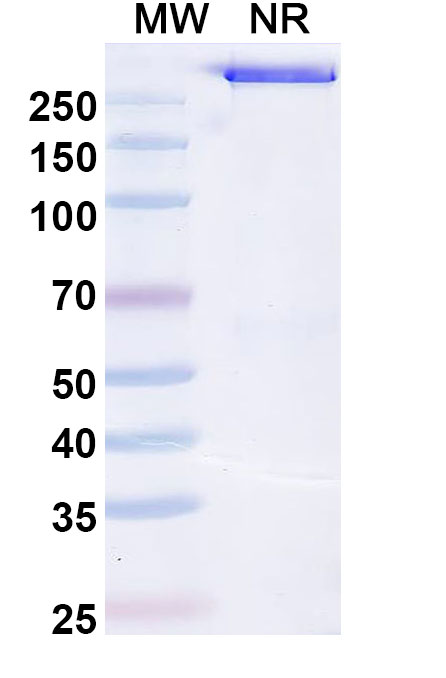
Olamkicept is an immunoglobulin G (IgG) antibody, specifically a human IgG1 kappa isotype. It is composed of two heavy chains and two light chains, each with a variable region and a constant region. The variable region is responsible for binding to its target, while the constant region determines its effector functions.
The target of Olamkicept is a protein known as B cell-activating factor (BAFF), which plays a crucial role in the survival and maturation of B cells. Olamkicept is designed to bind to and neutralize BAFF, thereby inhibiting its activity and reducing the number of B cells in circulation.
Activity of Olamkicept
The activity of Olamkicept is primarily mediated through its binding to BAFF. By binding to BAFF, Olamkicept prevents it from interacting with its receptor on B cells, leading to the inhibition of B cell survival and maturation. This results in a decrease in the number of B cells, which are responsible for producing antibodies and contributing to autoimmune and inflammatory diseases.
In addition to its neutralizing activity, Olamkicept also has effector functions that can modulate the immune response. These include antibody-dependent cellular cytotoxicity (ADCC) and complement-dependent cytotoxicity (CDC). These mechanisms allow Olamkicept to target and eliminate cells that express BAFF, such as B cells and certain cancer cells.
Application of Olamkicept
Research Grade Olamkicept is currently being evaluated as a potential therapeutic for a wide range of diseases, including autoimmune disorders, B cell malignancies, and solid tumors. Some of the most promising applications of Olamkicept include:
- Rheumatoid Arthritis (RA): BAFF is known to play a critical role in the development and progression of RA. By inhibiting BAFF, Olamkicept has shown promising results in reducing disease activity and improving symptoms in patients with RA.
- Lupus: BAFF has also been implicated in the pathogenesis of systemic lupus erythematosus (SLE). Olamkicept has shown potential in reducing disease activity and improving biomarkers in patients with SLE.
- Multiple Myeloma (MM): BAFF is overexpressed in MM, and its inhibition has been shown to have anti-tumor effects. Olamkicept is being investigated as a potential treatment for MM, either as a monotherapy or in combination with other anti-cancer agents.
- Non-Hodgkin Lymphoma (NHL): BAFF is also involved in the survival and proliferation of B cell lymphomas, making it a promising target for Olamkicept. Early studies have shown positive results in patients with NHL, and further research is ongoing.
Conclusion
Olamkicept is a promising biologic agent that has the potential to revolutionize the treatment of various diseases. Its unique structure and activity make it a highly specific and effective therapeutic for targeting BAFF, a key player in many autoimmune and inflammatory disorders. As research on Olamkicept continues, we can expect to see more applications and potential benefits of
There are no reviews yet.