The Structure of Research Grade Fabrazyme/Agalsidase Alfa
Research Grade Fabrazyme, also known as Agalsidase Alfa, is a recombinant form of the enzyme alpha-galactosidase A (α-Gal A). This enzyme is responsible for breaking down a type of fat called globotriaosylceramide (Gb3) in the body. In individuals with Fabry disease, a rare genetic disorder, there is a deficiency in α-Gal A, leading to a buildup of Gb3 in various tissues and organs.
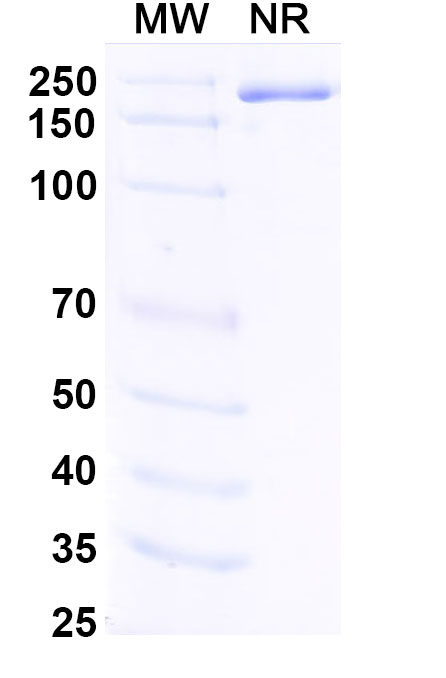
Fabrazyme is produced through genetic engineering techniques, using Chinese hamster ovary (CHO) cells. The resulting protein is a single chain polypeptide consisting of 429 amino acids. The amino acid sequence of Fabrazyme is identical to the human form of α-Gal A, ensuring its effectiveness as a replacement therapy.
The three-dimensional structure of Fabrazyme has been extensively studied using X-ray crystallography and nuclear magnetic resonance (NMR) spectroscopy. It is composed of two domains, an N-terminal catalytic domain and a C-terminal lectin-like domain. The catalytic domain contains the active site, where the enzyme binds to Gb3 and breaks it down into smaller molecules. The lectin-like domain is responsible for binding to specific receptors on cells, allowing Fabrazyme to enter and target the tissues affected by Fabry disease.
The Activity of Research Grade Fabrazyme/Agalsidase Alfa
The primary function of Fabrazyme is to replace the deficient α-Gal A enzyme in individuals with Fabry disease. By breaking down Gb3, Fabrazyme prevents its accumulation in various tissues and organs, including the kidneys, heart, and nervous system. This helps to slow down the progression of the disease and improve the overall quality of life for patients.
Fabrazyme is administered intravenously to patients every two weeks. Once inside the body, it binds to Gb3 and breaks it down into smaller, harmless molecules that can be easily eliminated through the urine. The enzyme also has a long half-life, meaning it remains active in the body for an extended period, providing sustained therapeutic effects.
The Application of Research Grade Fabrazyme/Agalsidase Alfa
Fabrazyme is approved by the U.S. Food and Drug Administration (FDA) for the treatment of Fabry disease in both adult and pediatric patients. It is also approved in many other countries, including the European Union, Japan, and Canada.
Fabrazyme has been shown to be effective in reducing the levels of Gb3 in various tissues and organs, including the kidneys, heart, and skin. This leads to improvements in kidney function, heart function, and skin manifestations of Fabry disease. In clinical trials, Fabrazyme has been shown to significantly reduce the risk of kidney failure and improve overall survival in patients with Fabry disease.
In addition to its use as a replacement therapy, Fabrazyme is also being studied for its potential as a therapeutic target for other conditions. Recent research has shown that Fabrazyme may have anti-inflammatory and anti-fibrotic effects, making it a potential treatment for conditions such as chronic kidney disease and heart failure.
In conclusion, Research Grade Fabrazyme/Agalsidase Alfa is a highly effective and well-studied enzyme replacement therapy for Fabry disease. Its unique structure and targeted activity make it a crucial treatment for individuals with this rare genetic disorder. Ongoing research continues to uncover the full potential of Fabrazyme as a therapeutic target for other conditions, making it a promising area of study in the field of medicine.
There are no reviews yet.