Introduction
Recombinant Streptococcus pyogenes Cas9 protein, also known as Cas9 nuclease, is a key component of the CRISPR-Cas9 gene editing system. This protein is derived from the bacterium Streptococcus pyogenes and has been extensively studied for its role in genome editing and other applications in biotechnology and medicine.
Structure of Recombinant Streptococcus pyogenes Cas9 Protein
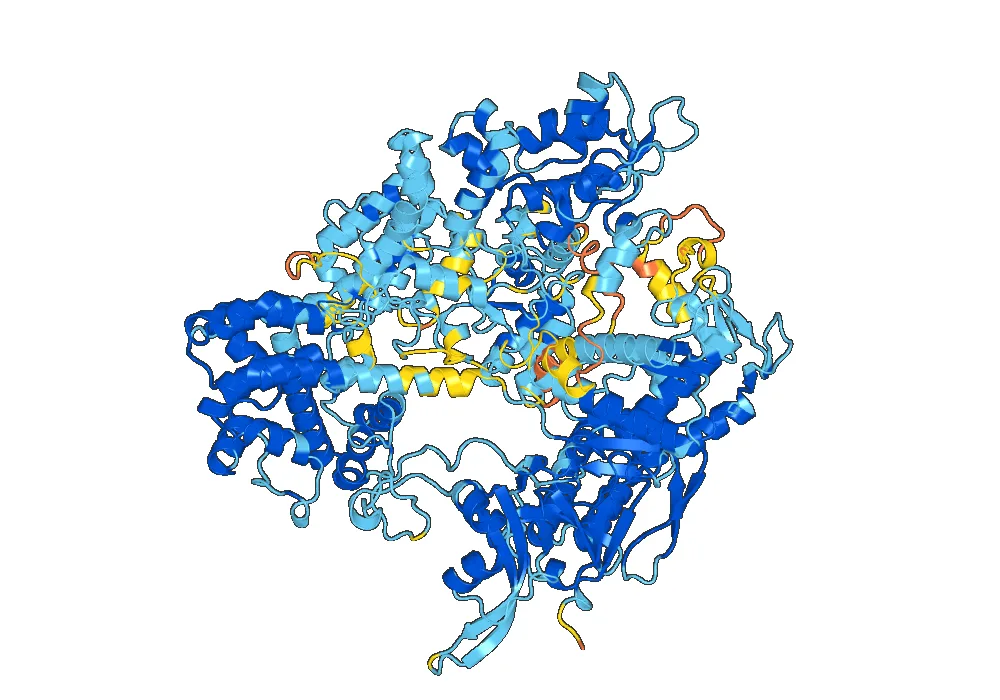
The Cas9 protein is a large, multi-domain protein consisting of 1368 amino acids. It has two distinct domains – a recognition domain and a nuclease domain. The recognition domain is responsible for identifying and binding to a specific DNA sequence, while the nuclease domain is responsible for cutting the DNA at the desired location.
The recognition domain of Cas9 consists of two RNA-binding domains, known as the PAM-interacting domain (PID) and the bridge helix domain (BHD). These domains interact with the guide RNA (gRNA) to form a complex that can recognize and bind to a specific DNA sequence.
The nuclease domain of Cas9 consists of two nuclease domains, known as the RuvC and HNH domains. These domains work together to cleave both strands of the DNA at the desired location, creating a double-strand break.
Activity of Recombinant Streptococcus pyogenes Cas9 Protein
The activity of Cas9 protein is dependent on the presence of a gRNA. The gRNA is a short RNA sequence that is designed to be complementary to the target DNA sequence. When the Cas9 protein binds to the gRNA, it forms a complex that can recognize and bind to the target DNA sequence.
Once the Cas9-gRNA complex binds to the target DNA, the nuclease domains of Cas9 are activated and cut both strands of the DNA at the desired location. This creates a double-strand break in the DNA, which can be repaired by the cell’s natural DNA repair mechanisms.
The specificity of Cas9 protein is determined by the sequence of the gRNA, making it a highly precise and efficient tool for genome editing. This technology has revolutionized the field of genetic engineering and has numerous applications in biotechnology and medicine.
Applications of Recombinant Streptococcus pyogenes Cas9 Protein
The most well-known application of Cas9 protein is in the field of genome editing. By using a specific gRNA, researchers can target and edit specific DNA sequences, allowing for precise modifications of the genome. This has a wide range of potential applications, from correcting genetic mutations to creating genetically modified organisms.
In addition to genome editing, Cas9 protein has also been used in other applications such as gene regulation, gene expression, and gene therapy. By using a modified version of Cas9, known as dCas9, researchers can target specific genes and either activate or suppress their expression. This has potential applications in treating diseases caused by gene dysregulation.
Cas9 protein has also been used in diagnostics, as it can be used to detect specific DNA sequences in a sample. This has potential applications in disease diagnosis and monitoring.
Furthermore, Cas9 protein has been used in the development of new therapeutics. By using Cas9 protein to target and edit disease-causing genes, researchers can potentially treat genetic disorders and other diseases at the molecular level.
Conclusion
Recombinant Streptococcus pyogenes Cas9 protein is a versatile and powerful tool in the field of biotechnology and medicine. Its unique structure and activity make it a highly specific and efficient protein for genome editing and other applications. With ongoing research and advancements, the potential applications of Cas9 protein are constantly expanding, making it an essential component in the scientific community.


There are no reviews yet.