Introduction
Recombinant Mouse CD26/DPP4 protein is a highly versatile and important protein in the field of immunology and cell biology. It plays a crucial role in various physiological processes such as immune response, cell signaling, and metabolism. In this article, we will provide a comprehensive overview of the structure, activity, and applications of Recombinant Mouse CD26/DPP4 protein.
Structure of Recombinant Mouse CD26/DPP4 Protein
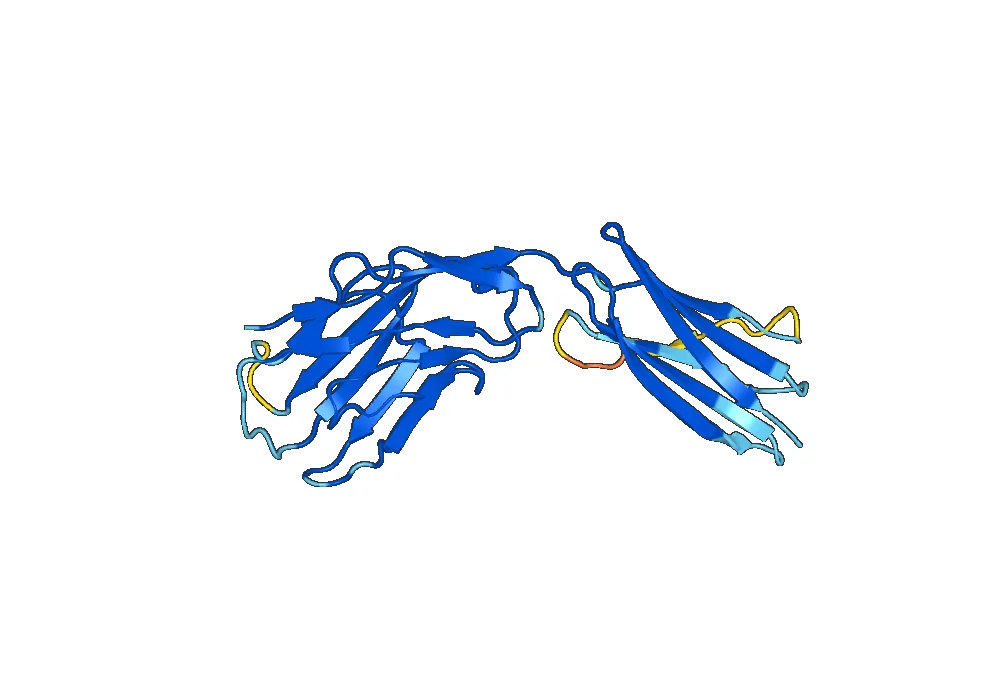
Recombinant Mouse CD26/DPP4 protein is a transmembrane glycoprotein that belongs to the dipeptidyl peptidase-4 (DPP4) family. It is composed of 766 amino acids and has a molecular weight of approximately 110 kDa. The protein is composed of three domains: the extracellular domain, the transmembrane domain, and the cytoplasmic domain.
The extracellular domain is responsible for the enzymatic activity of the protein and contains the active site for dipeptidyl peptidase activity. It also contains several glycosylation sites, which are important for the stability and function of the protein. The transmembrane domain anchors the protein to the cell membrane, while the cytoplasmic domain is involved in intracellular signaling and protein-protein interactions.
Activity of Recombinant Mouse CD26/DPP4 Protein
Recombinant Mouse CD26/DPP4 protein is a multifunctional protein with diverse enzymatic and non-enzymatic activities. Its main enzymatic activity is dipeptidyl peptidase-4 (DPP4) activity, which involves the cleavage of dipeptides from the N-terminus of polypeptides. This activity is important for regulating the activity of various hormones and cytokines, thus playing a crucial role in immune response and metabolism.
Apart from its enzymatic activity, Recombinant Mouse CD26/DPP4 protein also has non-enzymatic activities such as adenosine deaminase (ADA) binding and fibronectin binding. These activities are involved in cell adhesion, migration, and proliferation, making Recombinant Mouse CD26/DPP4 protein an important player in cell signaling and tissue homeostasis.
Applications of Recombinant Mouse CD26/DPP4 Protein
Recombinant Mouse CD26/DPP4 protein has a wide range of applications in both research and clinical settings. Its role in immune response and metabolism makes it a valuable tool for studying various diseases and developing therapeutic interventions.
One of the major applications of Recombinant Mouse CD26/DPP4 protein is in the field of immunology, where it is used as an antigen to generate antibodies for research purposes. These antibodies can be used for various techniques such as western blotting, immunohistochemistry, and flow cytometry to study the expression and localization of the protein in different cell types and tissues.
In addition, Recombinant Mouse CD26/DPP4 protein has been extensively studied for its potential as a therapeutic target. Its involvement in immune response and metabolism makes it a potential target for the treatment of various diseases such as diabetes, cancer, and autoimmune disorders. Recombinant Mouse CD26/DPP4 protein inhibitors have been developed and are currently being tested in clinical trials for the treatment of these diseases.
Furthermore, Recombinant Mouse CD26/DPP4 protein has been used in the development of diagnostic tools for various diseases. Its ability to bind to ADA and fibronectin has been utilized in the development of diagnostic assays for immune disorders and cancer.
Conclusion
In conclusion, Recombinant Mouse CD26/DPP4 protein is a highly versatile and important protein with diverse functions and applications. Its structure, activity, and applications make it a valuable tool for studying various diseases and developing therapeutic interventions. Further research on this protein is essential for a better understanding of its role in physiological processes and its potential as a therapeutic target.

There are no reviews yet.