Introduction
Recombinant Mouse Ccl6 Protein, also known as Chemokine (C-C motif) ligand 6, is a protein that plays a crucial role in the body’s immune response. It belongs to the CC chemokine family and is produced by various cell types, including macrophages, monocytes, and dendritic cells. This protein is involved in various physiological and pathological processes, such as inflammation, wound healing, and cancer. In this article, we will discuss the structure, activity, and applications of Recombinant Mouse Ccl6 Protein.
Structure of Recombinant Mouse Ccl6 Protein
Recombinant Mouse Ccl6 Protein is a small protein consisting of 107 amino acids with a molecular weight of approximately 12 kDa. It has a typical CC chemokine structure, with two adjacent cysteine residues near the amino terminus, followed by two other cysteine residues separated by a single amino acid. This structure is responsible for the protein’s ability to form disulfide bonds, which are crucial for its stability and function.
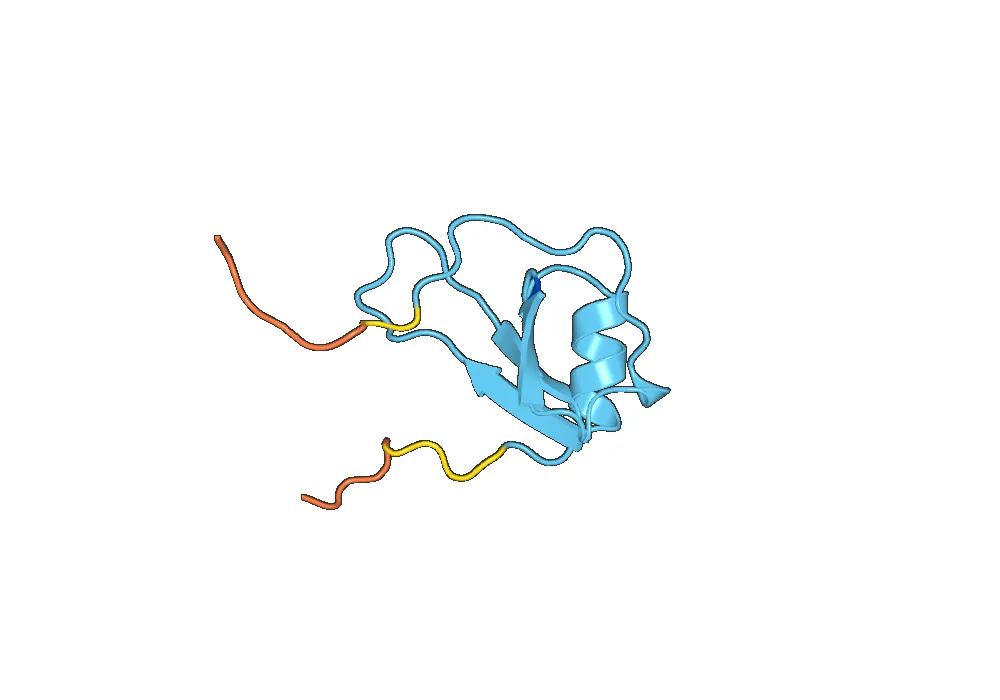
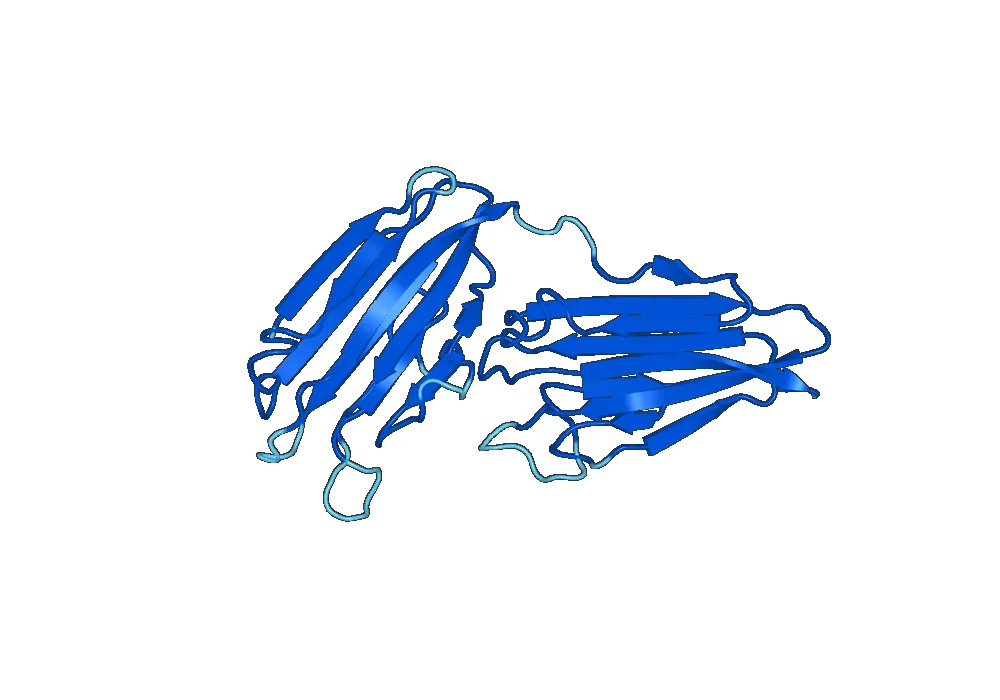
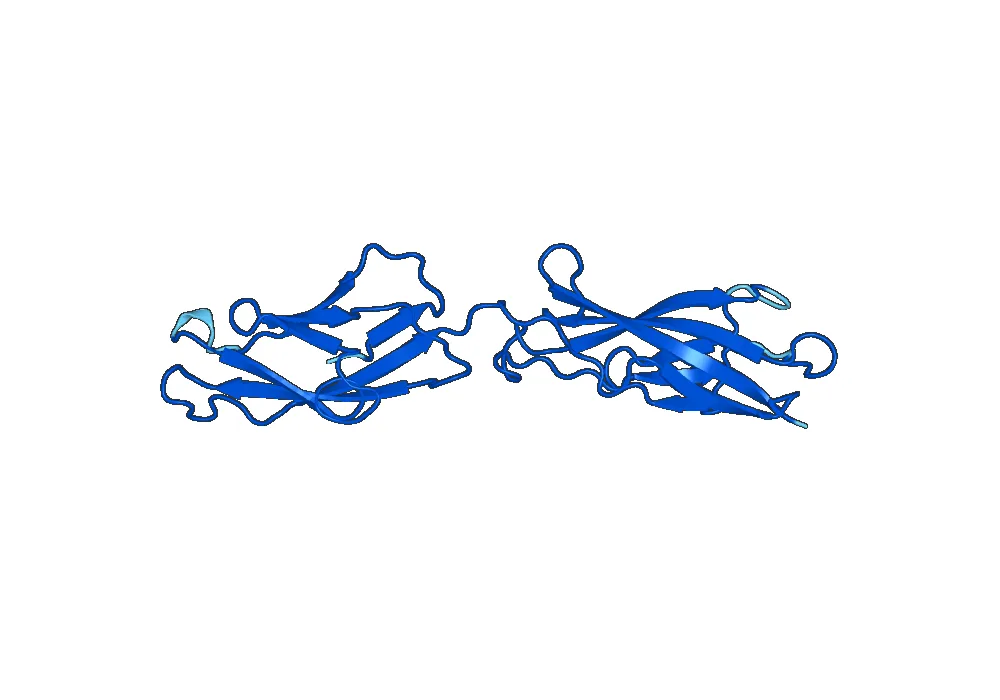
The three-dimensional structure of Recombinant Mouse Ccl6 Protein has been determined by X-ray crystallography. It has a compact fold with a three-stranded anti-parallel beta-sheet and a C-terminal alpha-helix. This structure is similar to other CC chemokines, such as Ccl2 and Ccl5, and is essential for the protein’s biological activity.
Activity of Recombinant Mouse Ccl6 Protein
Recombinant Mouse Ccl6 Protein is a potent chemoattractant for various immune cells, including monocytes, macrophages, and dendritic cells. It exerts its activity by binding to specific receptors on the surface of these cells, namely Ccr1 and Ccr2. Upon binding, it induces a series of signaling events that lead to cell migration towards the site of inflammation or injury.
In addition to its chemotactic activity, Recombinant Mouse Ccl6 Protein also has immunomodulatory effects. It can stimulate the production of pro-inflammatory cytokines, such as interleukin-1 and tumor necrosis factor-alpha, by immune cells. It can also enhance the activation and proliferation of T cells, which are crucial for the body’s immune response.
Applications of Recombinant Mouse Ccl6 Protein
Recombinant Mouse Ccl6 Protein has various applications in both research and clinical settings. In research, it is commonly used to study the role of chemokines in inflammation and immune response. It is also used to investigate the mechanisms of chemokine-receptor interactions and signaling pathways.
In clinical settings, Recombinant Mouse Ccl6 Protein has potential therapeutic applications. It has been shown to have anti-tumor effects by inhibiting the growth and metastasis of cancer cells. It has also been studied for its potential in promoting wound healing and tissue repair. Furthermore, it has been proposed as a potential biomarker for various diseases, including rheumatoid arthritis and multiple sclerosis.
Conclusion
Recombinant Mouse Ccl6 Protein is a crucial player in the body’s immune response. Its structure, activity, and applications have been extensively studied, and it has shown promising results in both research and clinical settings. With further research, this protein may have even more potential in the treatment of various diseases and as a diagnostic tool.



There are no reviews yet.