Recombinant Human XKR8: Structure, Activity, and Application
Introduction
Recombinant Human XKR8 (XK-related protein 8) is a protein that plays a crucial role in the regulation of cell death and survival. It is a member of the XK family of proteins, which are known for their involvement in various cellular processes such as cell adhesion, migration, and apoptosis. Recombinant Human XKR8 is a synthetic version of the naturally occurring human XKR8 protein, produced through genetic engineering techniques. In this article, we will discuss the structure, activity, and application of Recombinant Human XKR8.
Structure of Recombinant Human XKR8
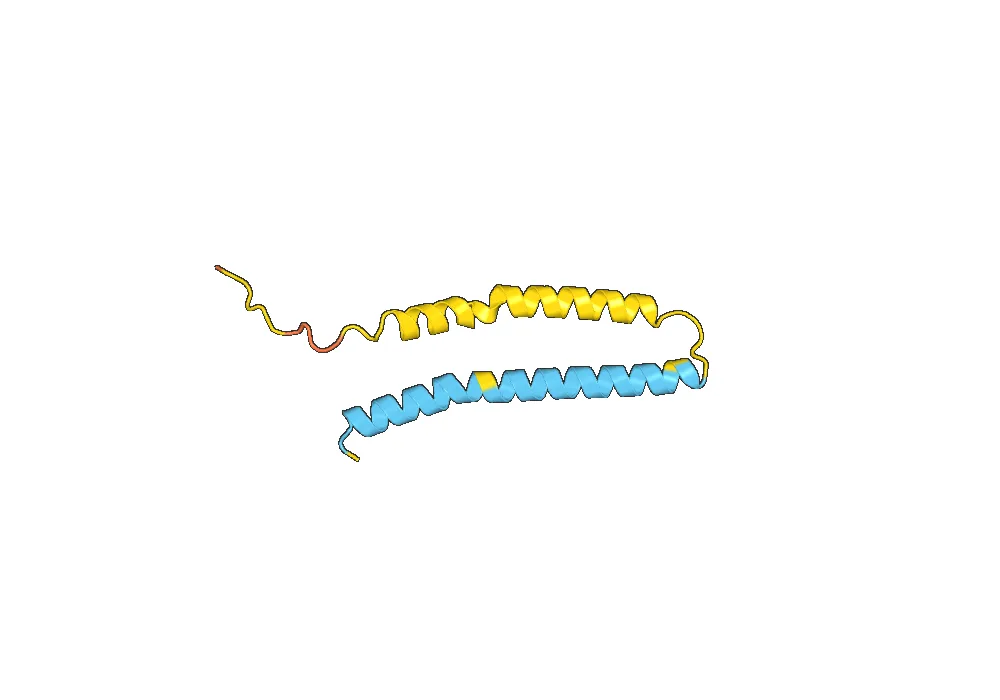
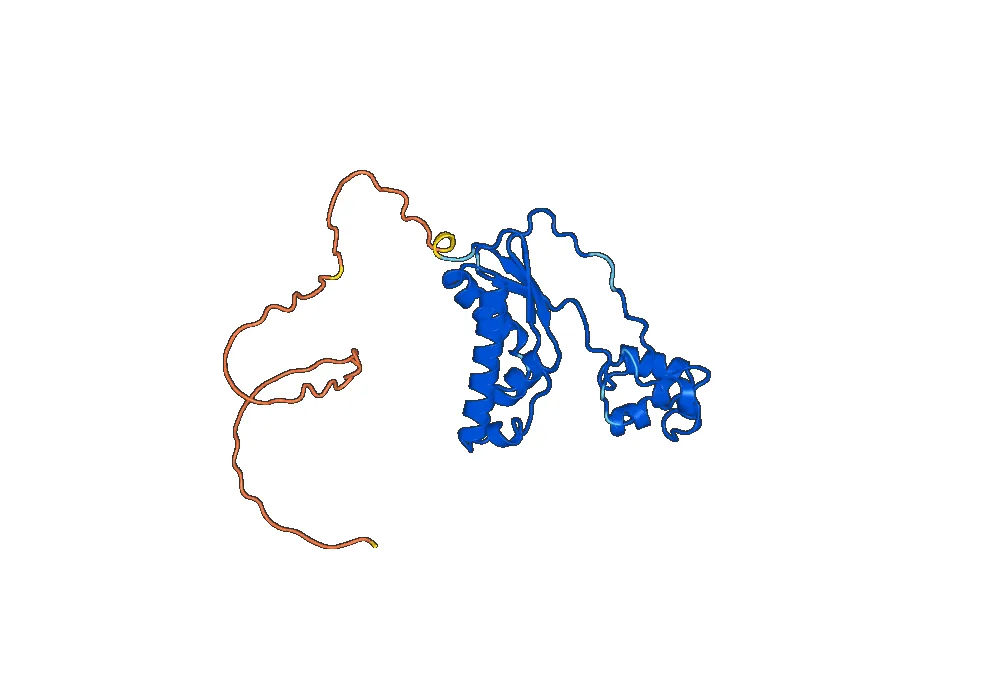
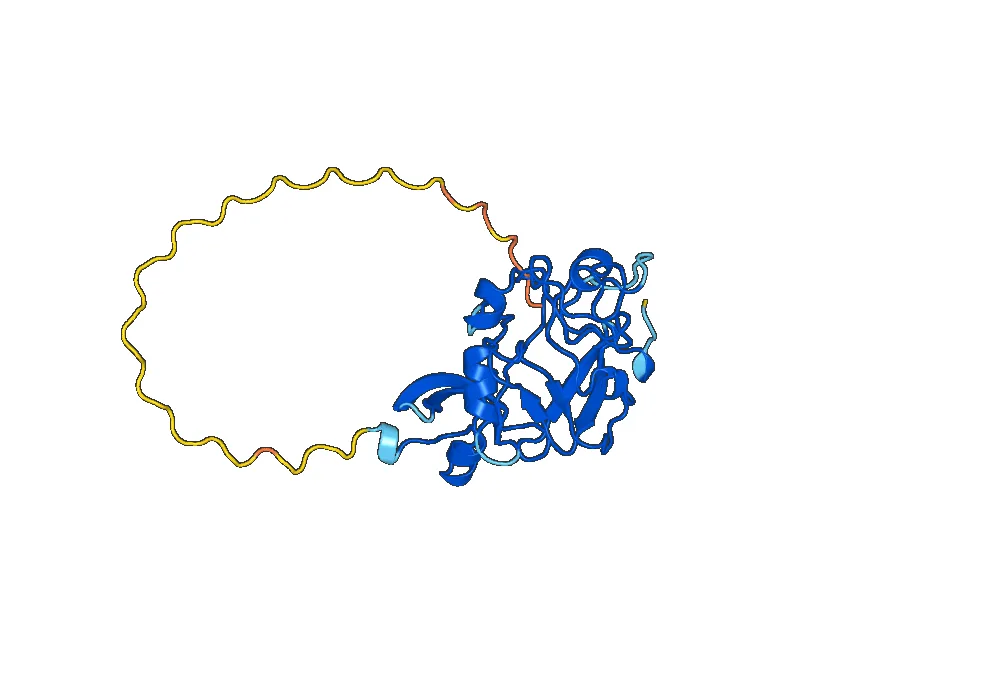
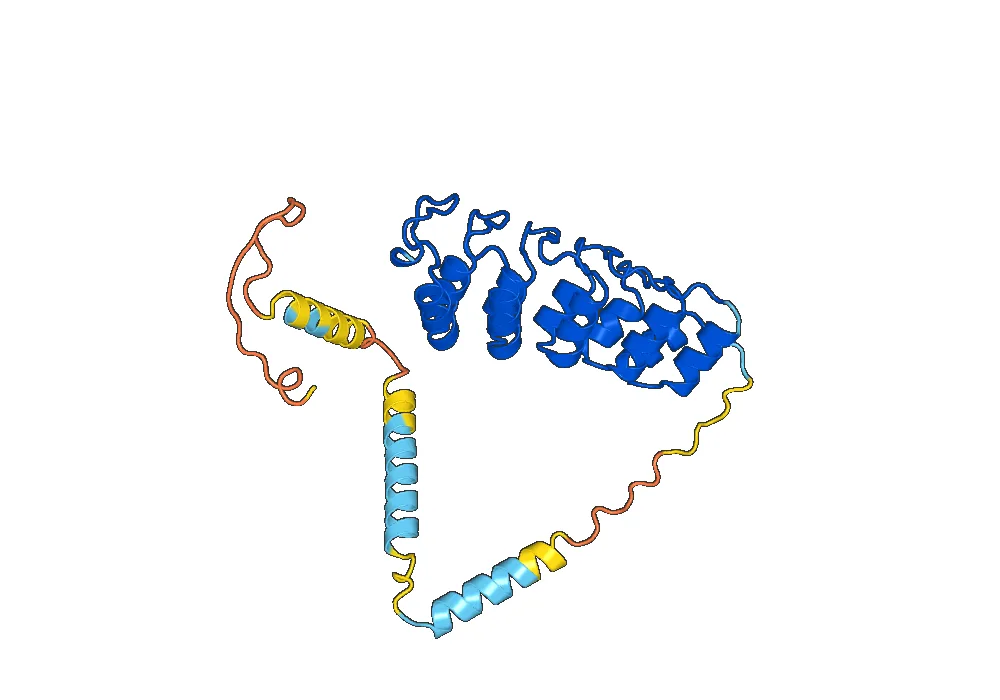
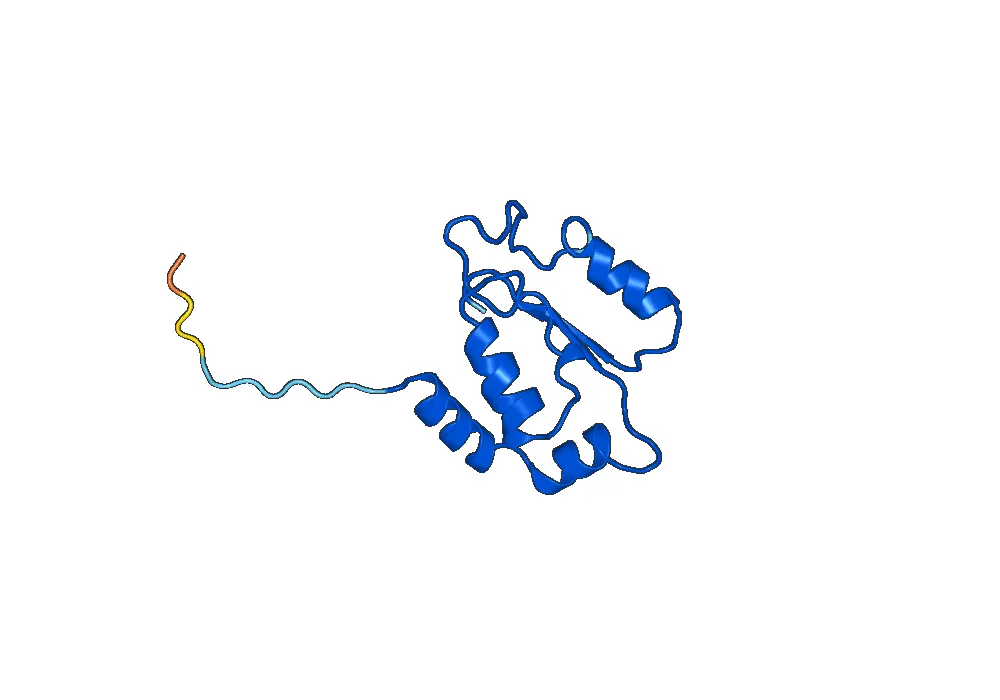
Recombinant Human XKR8 is a transmembrane protein that consists of 490 amino acids. It has a molecular weight of approximately 55 kDa and is composed of two main domains – an N-terminal intracellular domain and a C-terminal extracellular domain. The N-terminal domain contains a proline-rich region, which is important for protein-protein interactions, and a death domain, which is essential for its pro-apoptotic activity. The C-terminal domain contains a large extracellular loop that is involved in cell adhesion and migration.
Activity of Recombinant Human XKR8
Recombinant Human XKR8 is primarily known for its pro-apoptotic activity, which means it promotes cell death. This activity is mediated through its death domain, which interacts with other death domain-containing proteins, such as Fas-associated protein with death domain (FADD) and tumor necrosis factor receptor 1-associated death domain protein (TRADD). These interactions lead to the activation of caspases, which are enzymes that play a central role in the execution of cell death. In addition to its pro-apoptotic activity, Recombinant Human XKR8 also has a role in cell adhesion and migration through its extracellular loop domain. It has been shown to interact with integrins, which are transmembrane proteins that mediate cell adhesion to the extracellular matrix.
Application of Recombinant Human XKR8
Recombinant Human XKR8 has a wide range of applications in both research and therapeutic settings. Its pro-apoptotic activity makes it a valuable tool for studying cell death and survival mechanisms. It can be used to induce apoptosis in cell culture experiments and to investigate the role of XKR8 in different cellular processes. In addition, Recombinant Human XKR8 has potential therapeutic applications, particularly in cancer treatment. Its ability to induce cell death makes it a promising candidate for anti-cancer therapies. In fact, studies have shown that XKR8 is downregulated in various types of cancer, and its overexpression can inhibit tumor growth and induce cell death in cancer cells.
Recombinant Human XKR8 as an Antigen
Recombinant Human XKR8 can also be used as an antigen in the development of vaccines and diagnostic tests. Its extracellular loop domain, which is involved in cell adhesion, can act as an immunogenic region, eliciting an immune response in the body. This can be beneficial in the development of vaccines against diseases such as cancer, where XKR8 is downregulated. Additionally, specific antibodies against Recombinant Human XKR8 can be used in diagnostic tests to detect its expression levels in different tissues and diseases.
Conclusion
In summary, Recombinant Human XKR8 is a transmembrane protein with a pro-apoptotic activity mediated through its death domain and a role in cell adhesion and migration through its extracellular loop domain.

There are no reviews yet.