Introduction to Recombinant Human RXFP1
Recombinant Human RXFP1 is a protein that plays a crucial role in various biological processes, including reproduction, cardiovascular function, and metabolism. This protein is a member of the G protein-coupled receptor (GPCR) family and is encoded by the RXFP1 gene. It is found in various tissues and cells, such as the reproductive organs, heart, and adipose tissue. In this article, we will discuss the structure, activity, and applications of Recombinant Human RXFP1.
Structure of Recombinant Human RXFP1
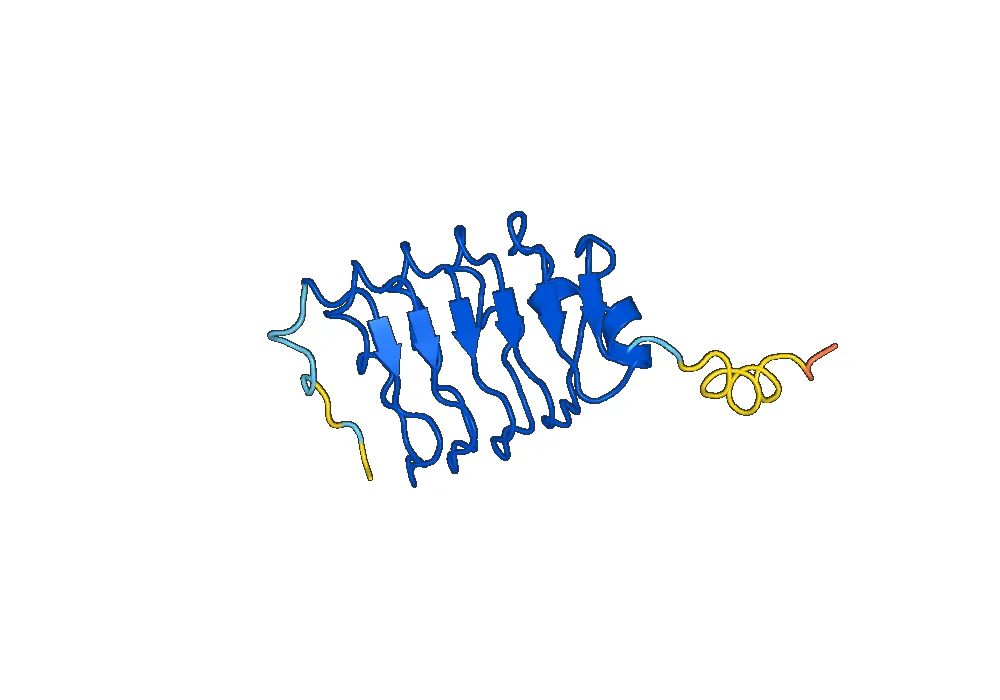
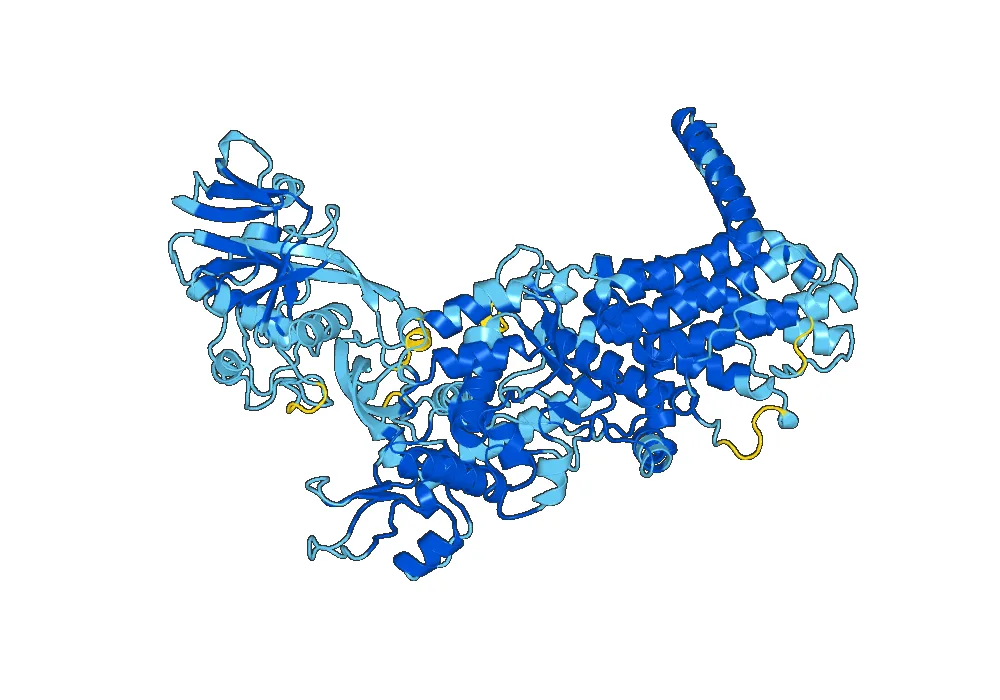
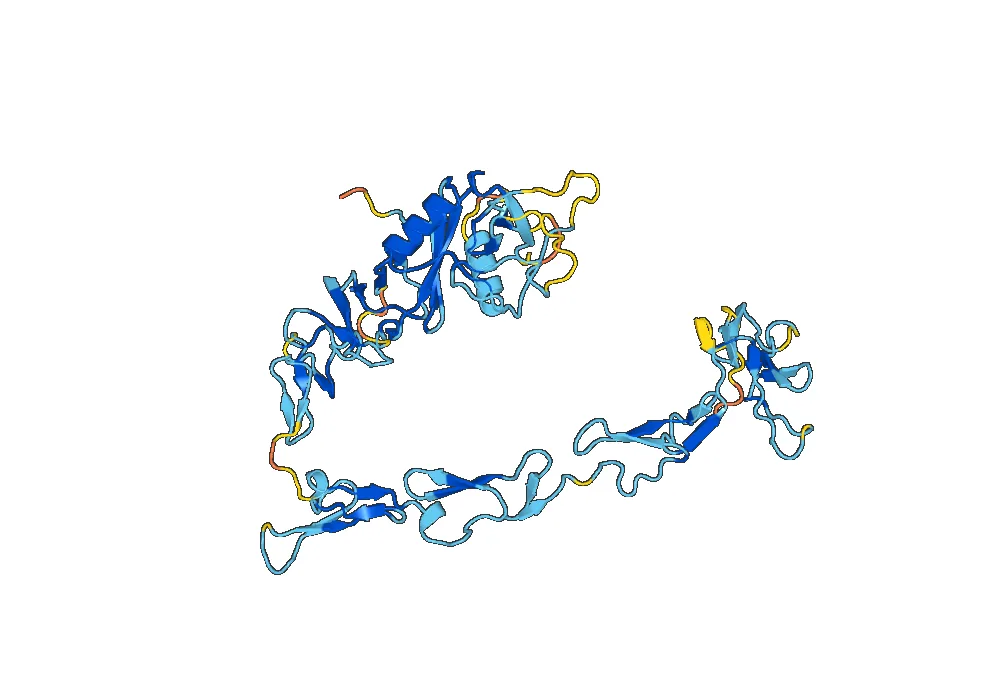
Recombinant Human RXFP1 is a transmembrane protein that consists of 747 amino acids. It has a large extracellular domain, seven transmembrane helices, and an intracellular C-terminal tail. The extracellular domain contains a leucine-rich repeat (LRR) region, which is responsible for ligand binding. The transmembrane helices are involved in signal transduction, while the C-terminal tail interacts with intracellular signaling molecules.
The most notable feature of Recombinant Human RXFP1 is its ability to bind to relaxin hormones. These hormones are small peptides that play a crucial role in reproductive processes, such as ovulation, implantation, and labor. The LRR region of Recombinant Human RXFP1 is responsible for binding to relaxin hormones, specifically the H2 relaxin isoform.
Activity of Recombinant Human RXFP1
Recombinant Human RXFP1 is a GPCR, which means it is involved in signal transduction. When a ligand, such as H2 relaxin, binds to the extracellular domain of Recombinant Human RXFP1, it triggers a series of events that ultimately lead to a cellular response. This response can vary depending on the tissue or cell type in which Recombinant Human RXFP1 is expressed.
One of the main activities of Recombinant Human RXFP1 is its role in reproductive processes. As mentioned earlier, it is involved in ovulation, implantation, and labor. In ovulation, Recombinant Human RXFP1 is expressed in the ovaries and binds to H2 relaxin, which helps in the release of the egg from the ovary. In implantation, Recombinant Human RXFP1 is expressed in the uterus and helps in the attachment of the embryo to the uterine wall. In labor, Recombinant Human RXFP1 is involved in the softening of the cervix and the contraction of the uterus, both of which are essential for childbirth.
Apart from reproductive processes, Recombinant Human RXFP1 also plays a role in cardiovascular function. It is expressed in the heart and is involved in regulating heart rate and blood pressure. Additionally, Recombinant Human RXFP1 is found in adipose tissue and is involved in regulating metabolism and fat storage.
Applications of Recombinant Human RXFP1
Recombinant Human RXFP1 has several potential applications in the field of medicine. One of the most promising applications is in the treatment of reproductive disorders. As Recombinant Human RXFP1 is involved in ovulation and implantation, it can be used to treat infertility in women. It can also be used to induce labor in pregnant women who are overdue.
Another potential application is in the treatment of cardiovascular diseases. As Recombinant Human RXFP1 is involved in regulating heart rate and blood pressure, it can be used to treat conditions such as hypertension and heart failure.
Furthermore, Recombinant Human RXFP1 can also be used as a diagnostic tool. As it is found in various tissues and cells, its expression levels can be measured to assess the health of these tissues and cells. For example, abnormal levels of Recombinant Human RXFP1 in the heart can indicate the presence of cardiovascular disease.


There are no reviews yet.