Introduction
Recombinant Human PITRM1, also known as Presequence Protease, is a protein that plays a crucial role in the degradation of mitochondrial targeting peptides. It is a highly conserved protein found in various species including humans, mice, and rats. In this article, we will discuss the structure, activity, and applications of Recombinant Human PITRM1.
Structure of Recombinant Human PITRM1
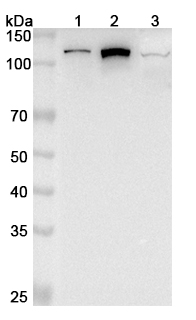
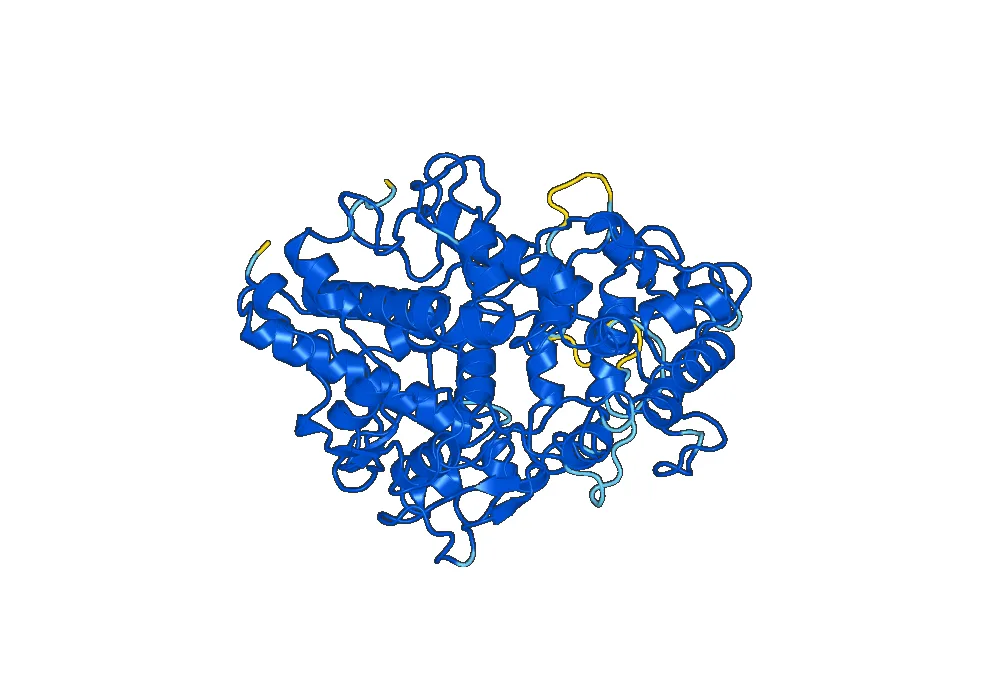
Recombinant Human PITRM1 is a 101 kDa protein that consists of 912 amino acids. It is composed of two functional domains, the N-terminal presequence protease domain and the C-terminal peptidase M16 domain. The presequence protease domain is responsible for the cleavage of mitochondrial targeting peptides, while the peptidase M16 domain is involved in the degradation of longer peptides. The two domains are connected by a linker region that is important for the optimal functioning of the protein.
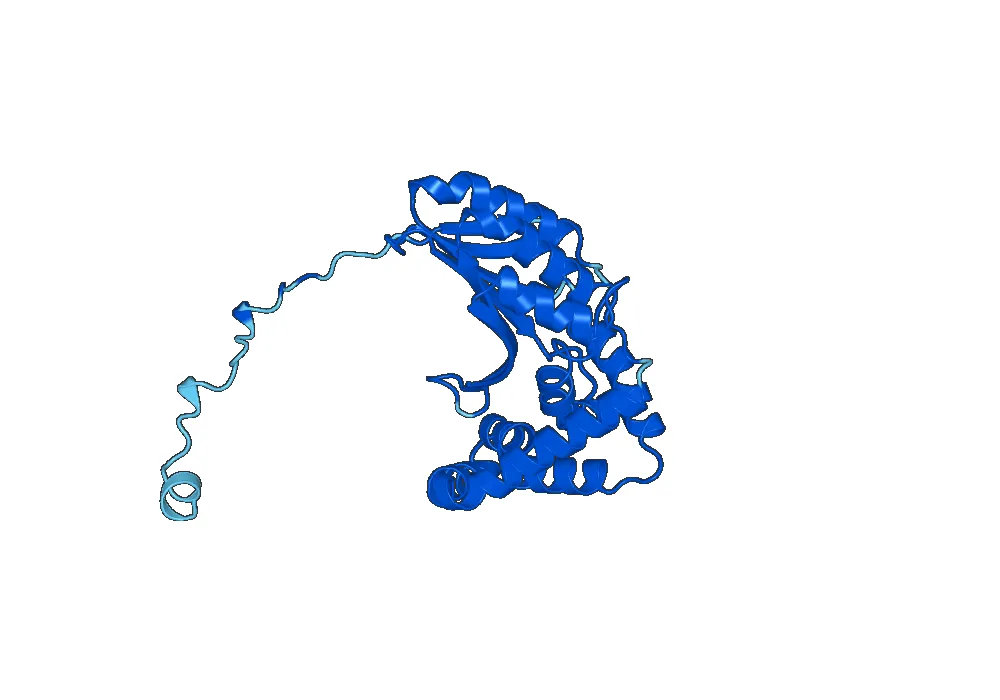
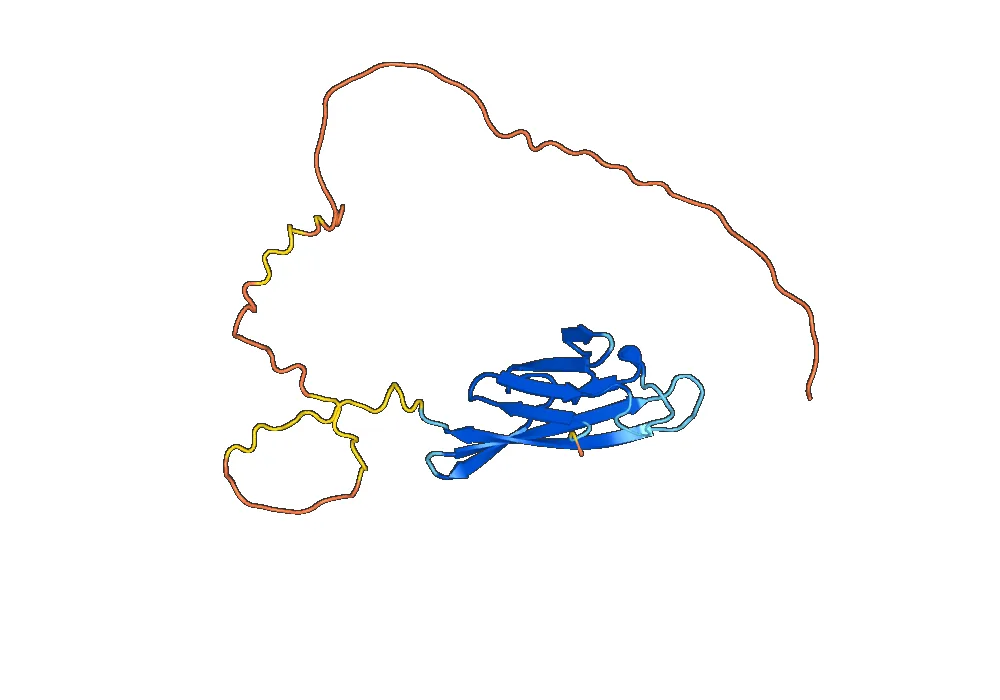
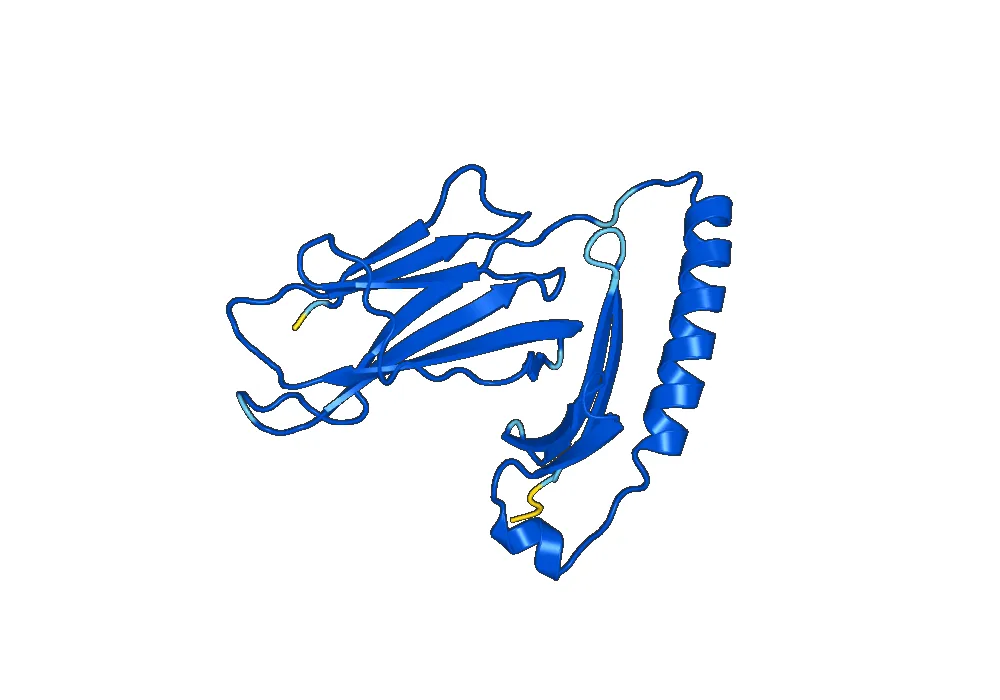
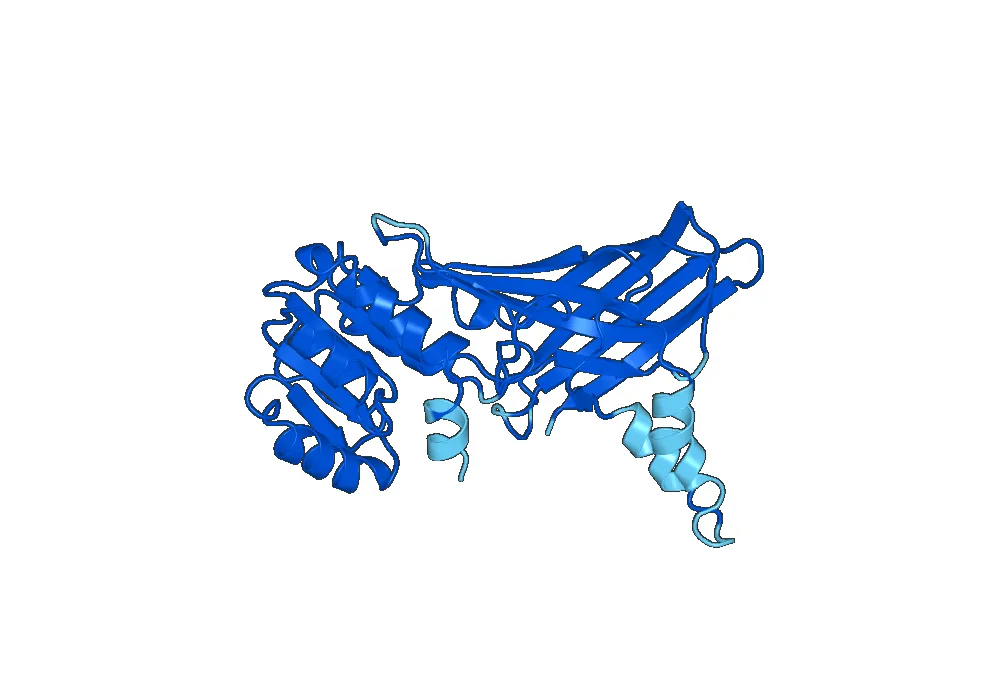
The crystal structure of Recombinant Human PITRM1 has been determined, revealing a unique arrangement of the two domains. The presequence protease domain forms a barrel-like structure, while the peptidase M16 domain has a globular shape. This structure allows for efficient substrate binding and catalysis.
Activity of Recombinant Human PITRM1
Recombinant Human PITRM1 is a metalloprotease that requires zinc ions for its activity. It is primarily located in the mitochondrial matrix, where it plays a critical role in maintaining mitochondrial homeostasis. The protein is responsible for the degradation of mitochondrial targeting peptides that are no longer needed after protein import into the mitochondria. It also degrades damaged proteins and prevents the accumulation of toxic peptides in the mitochondria.
Studies have shown that Recombinant Human PITRM1 has a broad substrate specificity, with the ability to cleave a variety of peptides of different lengths and sequences. It has a preference for peptides with basic and hydrophobic amino acids, which are commonly found in mitochondrial targeting sequences. The protein also has a high catalytic efficiency, making it a highly efficient protease in the mitochondria.
Applications of Recombinant Human PITRM1
Recombinant Human PITRM1 has various potential applications in both research and therapeutic settings. Its role in mitochondrial homeostasis makes it a crucial protein in understanding mitochondrial diseases and aging. Mutations in the gene encoding PITRM1 have been linked to neurodegenerative disorders, highlighting its importance in maintaining proper mitochondrial function.
In addition, Recombinant Human PITRM1 has been used in studies to investigate the role of mitochondrial targeting peptides in protein import and processing. Its ability to degrade peptides of different lengths and sequences makes it a valuable tool in studying the specificity and efficiency of mitochondrial protein import pathways.
Furthermore, Recombinant Human PITRM1 has potential therapeutic applications in the treatment of mitochondrial disorders. By targeting the protein, it may be possible to restore mitochondrial homeostasis and prevent the accumulation of toxic peptides in the mitochondria. This could potentially slow down the progression of neurodegenerative diseases and other disorders associated with mitochondrial dysfunction.
Conclusion
Recombinant Human PITRM1 is a crucial protein involved in the degradation of mitochondrial targeting peptides. Its unique structure and broad substrate specificity make it an efficient protease in maintaining mitochondrial homeostasis. Its role in mitochondrial diseases and aging, as well as its potential therapeutic applications, make it a promising protein for further research. With its diverse functions and potential implications, Recombinant Human PITRM1 is an important protein in the study of mitochondrial biology.
There are no reviews yet.