Introduction
Recombinant Human PCP4 Protein, also known as Purkinje cell protein 4 (PCP4), is a highly conserved protein that plays a crucial role in neuronal development and function. It is a member of the EF-hand calcium-binding protein family and is expressed in various tissues, with the highest levels found in the brain and heart. In this article, we will discuss the structure, activity, and application of Recombinant Human PCP4 Protein.
Structure of Recombinant Human PCP4 Protein
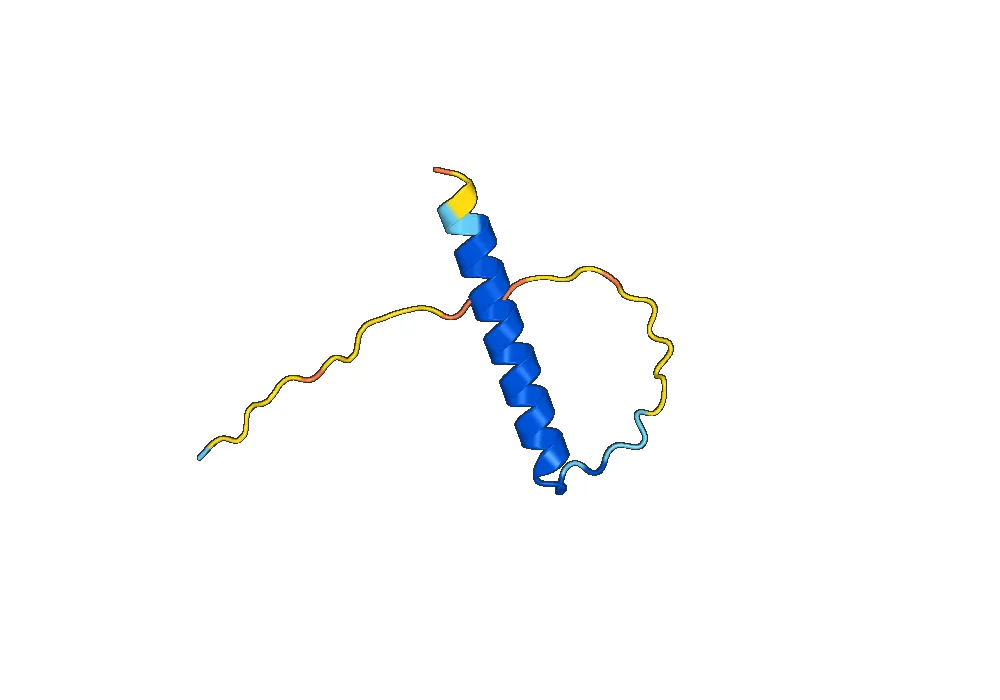
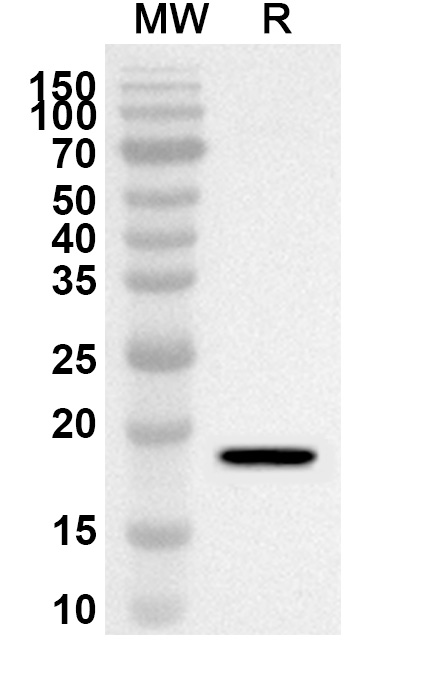
Recombinant Human PCP4 Protein is a 78 amino acid protein with a molecular weight of approximately 9 kDa. It contains two EF-hand calcium-binding motifs, which are responsible for its calcium-binding activity. The protein also has a highly conserved N-terminal domain that is essential for its function.
EF-hand calcium-binding motifs
The EF-hand motifs in Recombinant Human PCP4 Protein are responsible for its calcium-binding activity. These motifs are found in many calcium-binding proteins and are characterized by a helix-loop-helix structure. The first EF-hand motif in PCP4 is located at the N-terminus, while the second one is located at the C-terminus. These motifs are highly conserved and are essential for the protein’s function.
N-terminal domain
The N-terminal domain of Recombinant Human PCP4 Protein is highly conserved and is essential for its function. It contains a nuclear localization signal, which is responsible for its nuclear localization. This domain also interacts with other proteins, such as transcription factors, and is involved in regulating gene expression.
Activity of Recombinant Human PCP4 Protein
Recombinant Human PCP4 Protein is a calcium-binding protein that plays a crucial role in neuronal development and function. It is involved in regulating calcium signaling and is thought to modulate the activity of ion channels and neurotransmitter receptors. PCP4 has also been shown to interact with other proteins, such as calmodulin, and may play a role in modulating their activity.
Regulation of gene expression
Recombinant Human PCP4 Protein has been shown to regulate gene expression by interacting with transcription factors. It can act as a co-activator or co-repressor, depending on the specific transcription factor it interacts with. This activity of PCP4 is thought to be important for neuronal development and function.
Modulation of calcium signaling
As a calcium-binding protein, Recombinant Human PCP4 Protein is involved in regulating calcium signaling in cells. It can modulate the activity of ion channels and neurotransmitter receptors, which are important for neuronal excitability and synaptic transmission. This activity of PCP4 is thought to be crucial for proper neuronal function.
Application of Recombinant Human PCP4 Protein
Recombinant Human PCP4 Protein has various applications in the fields of neuroscience, cardiology, and immunology. Its role in regulating gene expression and calcium signaling makes it a valuable tool for studying neuronal development and function. It has also been implicated in heart disease and may have potential as a therapeutic target. Additionally, PCP4 has been identified as an antigen in autoimmune disorders, making it a potential biomarker for diagnosis and treatment.
Neuroscience research
The role of Recombinant Human PCP4 Protein in neuronal development and function makes it a valuable tool for studying the nervous system. Its ability to regulate gene expression and modulate calcium signaling can provide insights into the mechanisms of neurodegenerative diseases and neurological disorders.
Cardiology
Recombinant Human PCP4 Protein has been implicated in heart disease and may have potential as a therapeutic target. Its role in regulating calcium signaling in the heart makes it a promising candidate for the treatment of heart failure and other cardiovascular diseases.
Immunology
PCP4 has been identified as an antigen in autoimmune
There are no reviews yet.